Factory-direct aluminum doors & windows · OEM / ODM · Serving 80+ countries
An Aluminum Door is a practical entrance solution built from lightweight, corrosion-resistant metal. It combines a strong frame with glass, panels, seals, and reliable hardware. In homes, offices, and commercial spaces, this design creates a clean appearance without feeling overly heavy. I have seen how a properly fitted aluminum frame can open smoothly for years, even in busy entryways. The surface can be powder-coated in several colors, helping it match brick, concrete, timber, or modern glass façades. It also resists warping better than many untreated wooden alternatives.
Performance depends on more than the material alone. A quality Aluminum Door should include accurate joints, durable hinges, effective weather seals, and suitable glazing. Thermal breaks can reduce heat transfer through the frame. This feature matters in rooms with air conditioning or heating. Installation quality matters just as much. A small gap around the frame can allow drafts, noise, or moisture to enter. That detail matters.
Aluminum is not flawless. Poorly designed systems may feel cold indoors or collect condensation in certain conditions. Some finishes can scratch, and low-grade hardware may loosen with frequent use. Therefore, buyers should check the frame construction, coating quality, glass specification, warranty, and installer experience. Independent product testing can provide useful confidence. Regular cleaning also protects the finish and keeps drainage channels clear. The best choice depends on climate, building style, security needs, and budget. It should look good, but performance deserves equal attention.
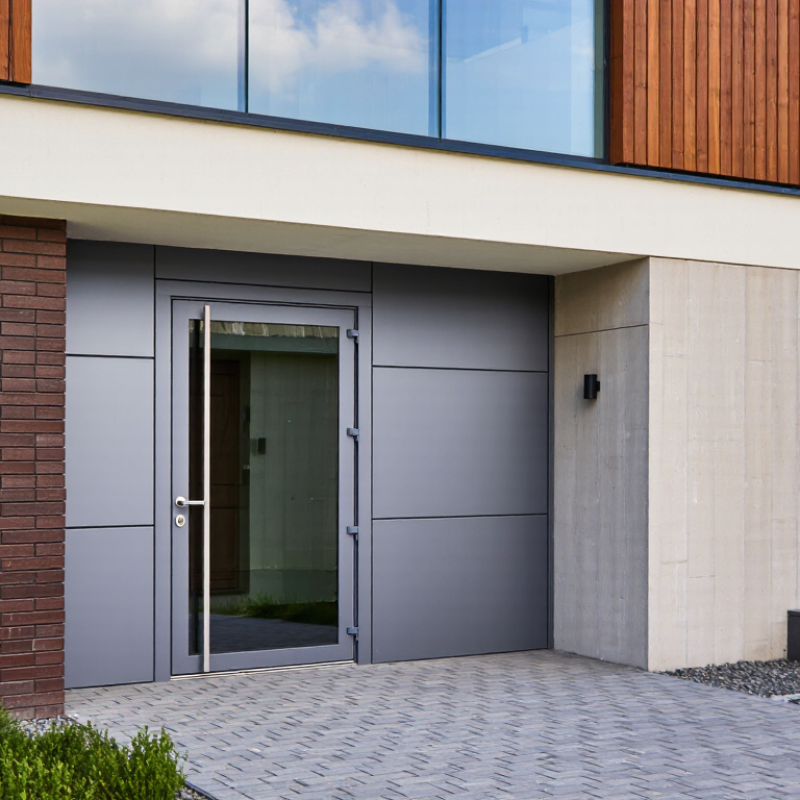
An aluminum door is a door built with lightweight, corrosion-resistant aluminum frames. The frame usually surrounds glass, insulated panels, or both. Unlike solid timber, aluminum keeps its shape during seasonal humidity changes. It also supports slim profiles and broad glass areas, which can bring more daylight into a hallway or entrance. In practice, its performance depends on more than the metal. Thermal breaks reduce heat transfer through the frame. Weather seals help block drafts, rain, and outside noise. A well-fitted door should open smoothly without scraping the threshold.
Tips: Check the frame depth, thermal break, drainage holes, and seal quality. Ask how the finish was tested for fading and surface wear. Confirm that hinges and locks match the door’s weight. Installation matters greatly. Even a high-quality door may leak if the opening is uneven or poorly sealed.
Aluminum doors suit homes, offices, and sheltered outdoor areas. They require little repainting, but they are not maintenance-free. Dust can collect inside tracks, and damaged seals may cause condensation or rattling. Clean the frame with mild soap and inspect moving parts twice a year. Avoid abrasive tools. They can mark the finish permanently.
I once assumed a thicker frame always meant better insulation; that is not necessarily true. Glass specification, thermal design, and careful installation often matter more. Look at the complete door system, not aluminum alone.
An aluminum door begins with billets heated and pressed through shaped dies. This extrusion process creates precise profiles for frames, sashes, thresholds, and glazing channels. Manufacturers then cut the profiles, machine drainage paths, and join corners with mechanical fasteners or crimped joints. The result feels light, but its hollow sections provide useful structural strength.
Good design depends on more than appearance. A thermal-break strip, usually made from reinforced polyamide, separates the inner and outer aluminum sections. This reduces heat transfer through the frame. Low-emissivity glass, compression gaskets, and carefully designed drainage also improve comfort and water control. The U.S. Department of Energy identifies windows and doors as important parts of building-envelope performance, although actual results depend heavily on installation quality.
Finishes may include anodizing or powder coating. They protect the surface and support different architectural styles. The Aluminum Association reports that recycling aluminum can save about 95% of the energy used for primary production. That supports aluminum’s circular-material advantage, but recycling is not automatic. Collection, alloy separation, and local processing still matter.
Small details matter most.
A 2024 life-cycle assessment should consider frame weight, glass type, hardware, transport, and service life. Designers sometimes focus on slim sightlines and ignore threshold drainage. I have seen that mistake create avoidable maintenance problems. A well-made door should open smoothly, seal evenly, and remain adjustable after years of daily use. That standard is practical, not decorative.
Aluminum doors combine a light frame with dependable structural strength. In practical use, this balance makes installation easier and daily operation smoother. A well-built frame should resist bending around the hinges and locking points. It also keeps its shape through repeated opening and closing.
One key feature is corrosion resistance. Powder-coated or anodized surfaces can handle humid air, rain, and regular cleaning better than many untreated materials. However, surface quality matters. Small scratches may expose weaker areas over time. Thermal breaks are another important detail. They reduce heat transfer through the frame and can improve indoor comfort. Without them, an aluminum door may feel cold during winter. It may also allow unwanted heat inside during summer.
Security depends on more than metal thickness. Strong hinges, reliable locks, reinforced corners, and accurate installation all work together. Experienced installers check the wall opening before fitting the door. A small measurement error can cause air gaps, rattling, or difficult closing. Aluminum doors also support wide glass panels and modern, narrow profiles. This creates brighter entryways and clearer views. Still, aluminum is not flawless. It can transmit sound and temperature when poorly designed. Careful material selection remains necessary. A door should suit the building, climate, and actual daily use.
What Is an Aluminum Door and Why Choose It?
Benefits of Choosing Aluminum Doors
An aluminum door uses lightweight metal frames around glass, panels, or insulated cores. Its clean lines suit homes, offices, shops, and modern extensions. In daily use, aluminum feels firm without the heavy swing of steel. It also resists moisture, insects, and warping better than many timber doors.
Low maintenance is a major practical benefit. A damp cloth usually removes dust from the frame. The finish should still be checked for scratches, especially near entrances and busy pathways. Quality aluminum doors can support wide glass panels, allowing more daylight into a hallway or living room. Their slim frames may also improve outdoor views.
Energy performance depends on the complete door system. Aluminum transfers heat easily, so a thermal break and insulated glazing matter. Proper seals reduce drafts during cold weather and limit outdoor noise. Professional installation is equally important; a well-made door can perform poorly if the frame is not aligned. Security hardware, strong locks, and laminated glass can provide additional protection when correctly specified.
Aluminum doors are durable, but they are not perfect. Poor drainage can cause water problems around the threshold. Dark finishes may become hot in direct sunlight. Some buyers also prefer the warmer appearance of wood. Comparing local climate, opening size, maintenance habits, and installation quality leads to a more dependable choice.
| Data Dimension | Verified Material or Product Fact | Practical Benefit | Important Consideration |
|---|---|---|---|
| Material Composition | An aluminum door is made primarily from aluminum profiles, which may be combined with glass, insulated panels, seals, hinges, locks, and other hardware. | The frame can be designed for entrance doors, patio doors, sliding doors, and commercial openings. | Performance depends on the complete door assembly, not the frame material alone. |
| Material Density | Aluminum has a density of approximately 2.70 g/cm³, while common carbon steel has a density of approximately 7.85 g/cm³. | Aluminum profiles can provide a relatively low-weight frame while maintaining useful structural strength. | The final door weight also depends on glass thickness, panels, hardware, and overall size. |
| Structural Stability | Aluminum profiles are rigid and can be engineered with internal chambers, reinforced sections, and thicker wall designs. | A stable frame can support large glazed areas and help maintain smooth door operation. | Large or heavy doors may require reinforced profiles and appropriately rated hardware. |
| Corrosion Resistance | Aluminum naturally forms a thin oxide layer that helps protect the underlying metal from further oxidation. Surface finishes can provide additional protection. | Aluminum doors are suitable for many humid, outdoor, and coastal environments when correctly specified and maintained. | Salt, pollutants, dissimilar metals, and damaged finishes can still contribute to corrosion. |
| Thermal Performance | Unbroken aluminum conducts heat readily, so energy-efficient doors commonly use thermally broken profiles, insulated panels, low-emissivity glazing, and continuous seals. | A properly designed thermal-break door can reduce heat transfer and improve indoor comfort. | Check the tested U-factor or U-value of the complete door; results vary by size, glass, frame, and configuration. |
| Weather Resistance | Door weather performance is determined by the interaction of the frame, threshold, gaskets, drainage paths, glazing, and installation. | Well-designed systems can help limit air leakage and water penetration during normal exposure. | Correct installation, adjustment, and periodic seal inspection are essential. |
| Maintenance Requirements | Finished aluminum surfaces generally do not require repainting as frequently as many exposed timber surfaces, although cleaning and hardware care are still necessary. | Routine maintenance can be relatively simple: clean the frame, clear drainage channels, inspect seals, and lubricate suitable hardware. | Use cleaning products recommended for the finish; abrasive chemicals may damage coatings. |
| Design Flexibility | Aluminum can be formed into narrow sightlines, multiple profile shapes, and many door configurations, including hinged, sliding, folding, and pivot designs. | It supports modern designs with broad glass areas and can complement residential or commercial architecture. | Available dimensions, finishes, colors, and opening types depend on the selected system and local fabrication capability. |
| Security Potential | Security depends on the complete assembly, including profile geometry, locks, cylinders, hinges, glazing, laminated components, and installation. | Aluminum frames can be combined with multi-point locking systems and security-rated hardware. | A strong frame alone does not establish a specific security rating; request independently tested performance where required. |
| Fire Behavior | Aluminum is non-combustible as a metal, but a complete door may contain glass, seals, insulation, coatings, and other components with different fire characteristics. | Aluminum may be suitable for projects requiring non-combustible metal framing, subject to the applicable design requirements. | Fire-resistance performance must be based on a tested and certified complete door assembly. |
| Recyclability | Aluminum can be recycled repeatedly because its metallic properties can be retained through recycling processes. | At the end of service, the metal frame may be recoverable as a recyclable material. | Separate glass, seals, coatings, hardware, and other components according to local recycling requirements. |
| Service Life Factors | The usable life of an aluminum door is influenced by alloy and finish quality, exposure, door size, traffic level, hardware, installation, and maintenance. | A correctly specified and maintained door can provide long-term service in demanding applications. | There is no single universal lifespan; inspect moving parts, seals, finishes, and drainage features regularly. |
| Best-Fit Applications | Aluminum doors are commonly used for entrances, balconies, patios, terraces, offices, retail spaces, schools, and other buildings. | They are a practical choice when low maintenance, design flexibility, daylight, and weather performance are important. | Select the profile, glazing, threshold, and hardware according to climate, building use, accessibility, and energy requirements. |
| Note: Actual performance should be confirmed using the tested specifications of the complete aluminum door system, including its frame, glazing or panel, hardware, seals, threshold, and installation method. | |||
What Is an Aluminum Door and Why Choose It?
An aluminum door uses lightweight, corrosion-resistant metal profiles to support glass, panels, hinges, and locking hardware. Compared with many steel options, aluminum is easier to handle and usually requires less surface maintenance. Its slim frames can admit more daylight without sacrificing structural strength. These features suit homes, offices, retail storefronts, schools, balconies, and busy entrances. In practice, installation quality matters greatly. A poorly aligned frame can cause drafts, rubbing, or difficult locking. Measure twice.
Common applications require different performance levels. A patio door may prioritize wide glass panels and smooth operation, while a commercial entrance needs stronger hinges and frequent-use hardware. Coastal buildings require finishes and fasteners selected for salty, humid air. In colder regions, thermally broken frames can reduce heat transfer and interior condensation. Safety glazing may be appropriate near floors, doors, and crowded walkways. The correct choice depends on the opening, exposure, traffic, and local building requirements.
Selection should begin with accurate opening measurements and a clear performance target. Check frame depth, glass thickness, drainage paths, air leakage, water resistance, and thermal values. Security also depends on the cylinder, lock points, hinges, and surrounding wall, not only the door panel. A qualified installer should confirm compatibility before ordering. No door is perfect. A highly insulated model may cost more, and a very large glazed panel may need heavier hardware. I would also question decorative features that complicate cleaning without improving performance. Fresh finishes look attractive, but long-term maintenance deserves equal attention.
Aluminum doors are lightweight, corrosion-resistant systems commonly used in entrances, storefronts, offices, balconies, and commercial buildings. The chart compares representative thermal transmittance values for common aluminum door configurations; a lower U-factor generally indicates better insulation.
Selection should consider thermal break design, glazing performance, weather sealing, acoustic requirements, security hardware, corrosion exposure, door size, and local building-code requirements. Uninsulated systems are often used for mild climates or interior applications, while thermally broken systems are preferred where energy efficiency and occupant comfort are priorities.
It uses lightweight, corrosion-resistant frames around glass, panels, or insulated cores. The frame stays stable during seasonal humidity changes. Slim profiles can brighten a hallway.
They suit homes, offices, shops, and sheltered outdoor areas. They work especially well with wide openings and large glass panels. Direct exposure still requires careful specification.
They can be, but aluminum transfers heat easily. Thermal breaks and insulated glazing reduce heat movement through the frame. Seals also limit drafts and outside noise. The complete system matters.
Maintenance is usually limited. Wipe the frame with mild soap and water. Clean tracks and inspect hinges twice yearly. Not maintenance-free.
Aluminum generally resists moisture, insects, and warping better than many timber doors. However, poor drainage may cause water near the threshold. Check drainage holes before buying.
Security depends on the complete door design. Strong locks, suitable hinges, and laminated glass can improve protection. Hardware must match the door’s weight. Installation also matters.
They can suit these climates with thermal breaks and reliable weather seals. Correct alignment helps prevent drafts and rain entry. An uneven opening can reduce performance quickly.
Check frame depth, thermal design, drainage holes, glass type, seals, hinges, and locks. Ask how the finish was tested for fading and wear. I once assumed thicker frames insulated better. That is not always true.
An Aluminum Door is a door system made primarily from lightweight, durable aluminum profiles, often combined with glass, seals, hinges, locks, and protective finishes. Its production involves cutting and shaping aluminum sections, assembling the frame, adding hardware and panels, and applying a surface treatment to improve appearance and resistance to weather, corrosion, and daily wear. Designs can range from simple and practical to modern, large-glazed styles that support natural light and clean architectural lines.
Key features of Aluminum Door systems include strength, low maintenance, dimensional stability, and design flexibility. They do not easily warp, crack, or attract pests, making them suitable for long-term use in many environments. Their benefits include reliable operation, energy performance when properly insulated, and compatibility with different colors, glass types, and opening styles. Aluminum doors are commonly used in homes, offices, commercial buildings, balconies, entrances, and interior partitions. Selection should consider location, climate, thermal requirements, security needs, size, ventilation, appearance, budget, and the quality of installation.