Industry & Procurement Analysis
Future Procurement Trends in Commercial & Residential Roof Skylight Windows
Driven by AI-integrated building management systems, strict Net-Zero carbon mandates, and evolving regional building codes, global buyers are redefining their criteria for procuring aluminum roof skylight windows.
1. Smart Automation & Sensor-Driven Climate Control
Modern commercial and high-end residential projects increasingly demand electric motorized skylights integrated with smart home protocols (Tuya, Zigbee, RS485). Intelligent rain, wind, and smoke sensors automatically actuate actuators during unexpected downpours or fire emergencies, providing automated passive ventilation without human intervention.
2. High-Performance Thermal Breaks & Passive House U-Values
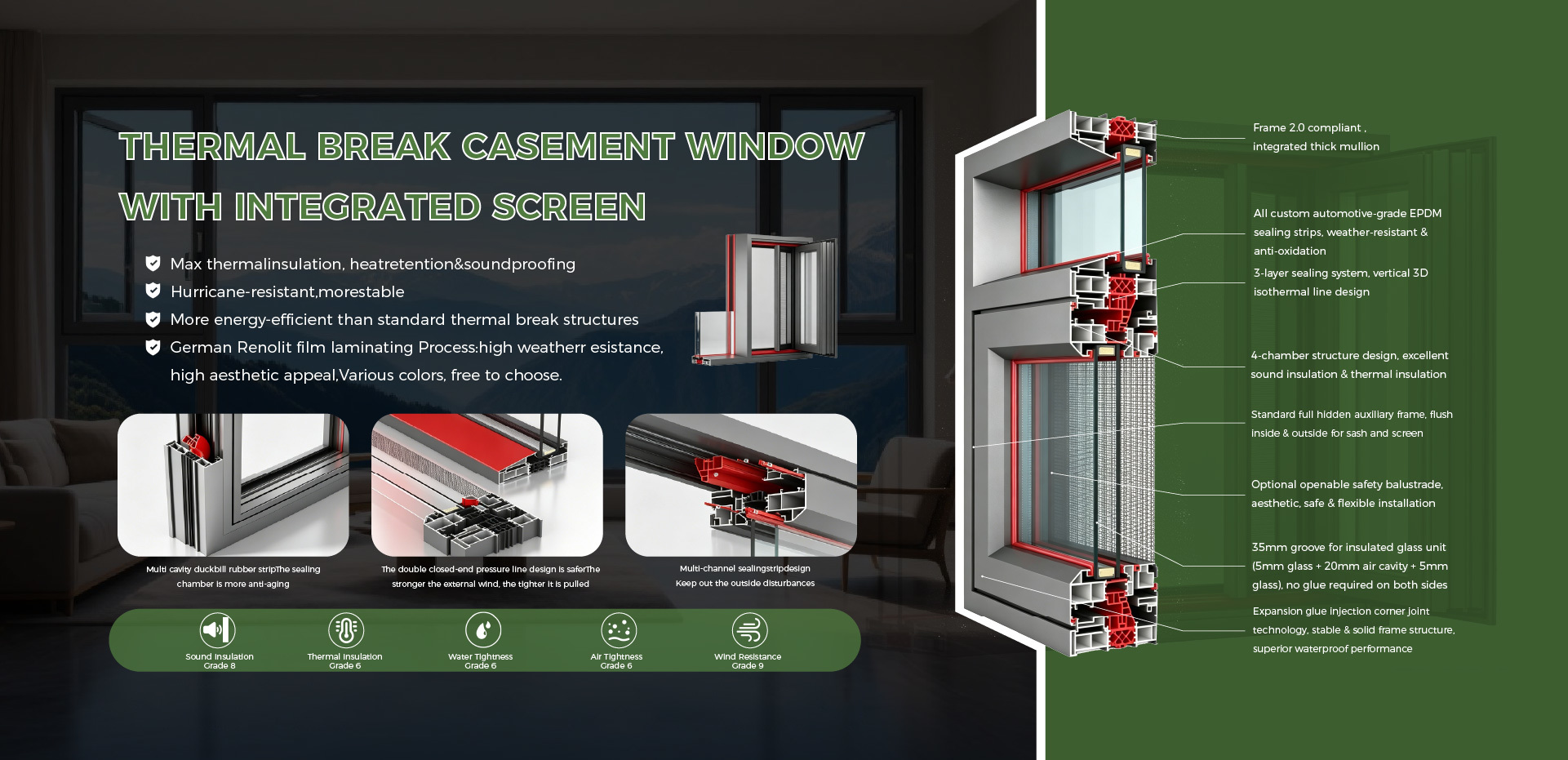
Standard non-thermal aluminum frames are being rapidly phased out. Sourcing managers now specify polyamide PA66 thermal barrier strips (24mm to 34mm width) combined with argon-filled triple-glazed Low-E tempered laminated glass, achieving U-values as low as 0.8 to 1.2 W/m²K for severe climate zones.
3. Overhead Glass Safety & Acoustic Lamination
International building codes strictly mandate overhead safety glass configuration. The industry trend heavily favors toughened outer panes paired with SGP (SentryGlas®) or multi-layer PVB laminated inner panes to prevent glass fall-through during extreme hail storms or accidental impact, while simultaneously dampening external urban noise by up to 42 dB.
4. Architectural Flush Integration & Low-Profile Aesthetics
Minimalist architecture calls for roof skylight windows that sit virtually flush with the roofline. Sourcing focus has pivoted to stepped glass skins, hidden sash frame profiles, and electro-powder coated custom RAL finishes that blend seamlessly into standing seam metal roofs, clay tiles, or concrete flat roofs.
Why Traditional Skylights Fail and How Modern Engineering Solves It
Historically, the primary risk associated with roof skylight windows has been moisture infiltration and thermal bridging leading to indoor condensation. Poorly engineered aluminum extrusions rely solely on surface-applied silicone sealants, which degrade over time under heavy UV exposure. Changsha Wincraft Aluminum Window Tech Co., Ltd. resolves this structural flaw through pressure-equalized extrusion geometry, integrated primary/secondary rubber EPDM gaskets, and internal drainage channels that channel unexpected moisture condensate directly to the exterior curb flashing.