Choosing Aluminium Windows & Doors can shape a project’s appearance, comfort, and long-term maintenance. Their slim frames can create a clean, contemporary look and allow generous glazed areas. Aluminium is also valued for its strength, which can support larger openings when the system is correctly specified. Yet the frame alone does not determine performance. Glass, seals, hardware, and installation all matter.
For a home renovation or commercial build, compare tested thermal performance, drainage details, finish options, and warranty terms. Thermal breaks can help limit heat transfer through the frame, while suitable glazing contributes to indoor comfort. In exposed or coastal locations, ask about coating quality and care requirements. These practical checks are more useful than relying on appearance or broad product claims. Small details matter.
There are trade-offs. Aluminium systems may cost more than some alternatives, and poorly chosen glazing can undermine an otherwise capable frame. A precise survey and careful installation help reduce drafts, water ingress, and operating problems. Ask suppliers for product documentation, relevant performance ratings, and examples suited to your building conditions. Then weigh budget, design, climate, and maintenance together. Aluminium is not automatically the right choice for every project. A clear comparison helps reveal where it fits—and where it may not.
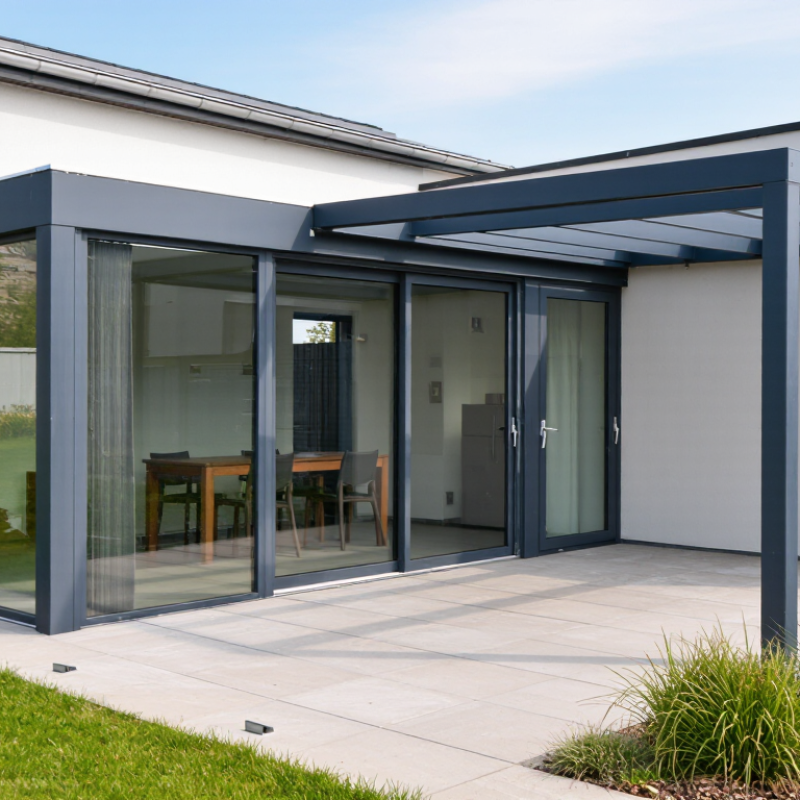
Aluminium’s 2.70 g/cm³ Density: Strength and Weight in Frame Design
Why Choose Aluminium Windows and Doors for Your Project?
Aluminium has a density of about 2.70 g/cm³, or 2,700 kg/m³. That figure helps designers estimate frame weight, but it does not tell the whole strength story. Alloy, temper, profile shape, and wall thickness all affect how a window or door performs. Density is one useful input, not a strength rating.
Consider a hollow frame profile with 10 cm² of aluminium in its cross-section. One metre of that material weighs roughly 2.7 kg, before fasteners, glazing, and hardware are added. The hollow shape keeps the frame lighter than a solid bar while placing material where it can help resist bending. Neat calculation. Real profiles vary, so product data and project-specific load checks matter.
This balance can make aluminium useful for wide openings, where slimmer visible frames may preserve more glass area. Yet a light-looking frame still needs to support the glazing and handle wind pressure, operating forces, and its own span. Thermal breaks also matter because aluminium conducts heat readily; density does not explain insulation performance. A drawing may seem straightforward, but installation tolerances and heavy glass can change the practical weight and handling plan. Check the complete assembly, not just the metal.
Thermal Breaks and Whole-Window U-Factors: Specify Tested Performance
Aluminium frames are strong and slim, but metal conducts heat readily. A thermal break places a less-conductive material between the frame’s exterior and interior sections. This reduces heat transfer; it does not stop it completely. Details matter. Look for a tested whole-window U-factor, not a glass-only figure. The whole-window value includes the frame, glazing, and spacer, so it better reflects the assembled unit. Lower U-factors indicate less heat flow under the stated test conditions.
When comparing products, check that the rating applies to the size, glazing, and operating style you plan to specify. A fixed window and an opening sash may perform differently. Ask for documentation from a recognized testing or certification program, and confirm the units used for the reported value. A laboratory result is useful, but it is not a promise of identical performance on site. Installation gaps, air leakage, and poorly sealed transitions can weaken the result. Even a well-rated window can disappoint if the opening is not prepared carefully. Review the frame depth and installation details with the project team before ordering; these small decisions are easy to overlook.
Durability by Design: Select Finishes Rated to AAMA 2604 or 2605
Why Choose Aluminium Windows and Doors for Your Project?
Aluminium frames offer strength with slim sightlines, but the finish matters just as much as the frame. AAMA 2604 and 2605 are performance specifications for high-quality organic coatings. AAMA 2605 sets more demanding requirements, including greater resistance to weathering. Neither rating makes a finish immune to damage. Sun exposure, coastal air, cleaning methods, and installation details all affect long-term appearance. A powder-coated frame can look excellent on delivery day. The real test comes after years of heat, rain, and handling.
Tips: Match the rating to the site. Ask for documentation showing the coating meets AAMA 2604 or 2605, and confirm it applies to the specified finish and preparation process. Near salt spray or intense sun, discuss whether 2605 is appropriate. Check cleaning instructions, too. Harsh cleaners can dull even a well-rated surface.
Inspect corners, drainage paths, and cut edges during installation. Small details. They matter. Coating performance depends on proper pretreatment and careful handling, so ask how scratches will be repaired before work begins. I would not choose a rating by number alone; the exposure, maintenance plan, and finish color deserve a second look. A darker frame, for example, may show fading or surface marks more clearly over time.
Recycling Advantage: IAI Reports Recycled Aluminium Uses About 5% of Primary Energy
Recycled aluminium can make a meaningful difference in the material footprint of windows and doors. The International Aluminium Institute (IAI) reports that producing recycled aluminium uses about 5% of the energy required for primary aluminium. That is a substantial saving. In practice, recovered frames and other scrap are sorted, melted, and formed into new products. The energy comparison concerns aluminium production, though; it does not describe the full footprint of a finished window, including glass, transport, or installation.
There is a useful sign of aluminium’s circular potential. The IAI’s 2015 report, Aluminium: The Element of Sustainability, estimated that roughly 75% of all aluminium ever produced remains in use. For a project, ask suppliers for documented recycled-content figures and information on how they handle alloy sorting. Recycled content can vary between products, even when the frames look identical. The caveat is easy to miss: a high recycled share does not, by itself, guarantee good insulation. Thermal breaks, glazing, and careful installation still shape performance. A narrow frame detail matters. So does the energy source used during manufacturing.
Specify Air, Water, and Structural Performance Using AAMA/WDMA/CSA 101
Why Choose Aluminium Windows and Doors for Your Project?
Aluminium frames can support slender profiles, but frame material alone does not prove whole-window performance. Specify air leakage, water penetration, and structural resistance under AAMA/WDMA/CSA 101, also known as NAFS. This standard assigns performance classes and grades based on tested product type and use. Ask for the exact rating, product size, and test evidence—not a general claim that a window is “high performance.” Details matter.
The U.S. ENERGY STAR program reports that windows, doors, and skylights account for about 25–30% of household heating and cooling energy use. That figure makes air control more than a comfort issue. NAFS testing helps compare tested assemblies, while project-specific design pressures and exposure conditions guide selection. A coastal opening facing wind-driven rain may need different ratings than a sheltered courtyard window. Check air leakage and water test results alongside structural design pressure. A strong frame is not enough.
Installation can still undermine a compliant unit. Verify flashing, anchorage, and perimeter sealing against the project details. A report describes a test specimen, not every jobsite condition. That distinction is easy to overlook. Specify the standard edition and acceptance criteria in the project documents, then review test reports before approval. The paperwork can feel tedious. It prevents guesswork later.
Why Choose Aluminium Windows and Doors for Your Project?
Specify air, water, and structural performance using AAMA/WDMA/CSA 101.
Example project values: air leakage is 0.05 cfm/ft² at 1.57 psf (75 Pa), against a maximum target of 0.10; water penetration resistance is 12 psf against a 9 psf target; and structural design pressure is 40 psf against a 40 psf target. Bars show performance as a percentage of each target; lower air leakage is better, while higher water and structural pressures are better. These are illustrative specifications, not universal AAMA/WDMA/CSA 101 requirements. Confirm the applicable standard edition, performance class, test conditions, and certified product data for your project.
Conclusion
Aluminium Windows & Doors offer a useful balance of strength, low weight, and design flexibility. With a density of about 2.70 g/cm³, aluminium can support durable frame designs without adding unnecessary mass. To improve insulation, specify frames with thermal breaks and compare whole-window U-factors based on tested performance, since the complete assembly—not the frame alone—affects energy efficiency.
Long-term performance also depends on choosing finishes suited to the project’s exposure, with coatings rated to AAMA 2604 or 2605 where appropriate. Aluminium is also highly recyclable; the International Aluminium Institute reports that recycled aluminium uses about 5% of the energy required to produce primary aluminium. For reliable results, include documented air, water, and structural performance requirements using AAMA/WDMA/CSA 101. Together, these considerations help ensure the selected windows and doors meet practical goals for comfort, durability, and resource efficiency.