0%

Choosing the right Aluminium Sliding Doors involves more than comparing frame colours and catalogue prices. The door must suit the opening, climate, building structure, and everyday habits of the household. A wide glass panel may create a beautiful view, but it also increases weight, solar heat, and cleaning demands. Think beyond appearance.

Joe Lstiburek, a respected building-science expert, has said, “Water is the most destructive force on Earth.” His warning is highly relevant here. Inspect the drainage channels, sill design, seals, and installation method. A strong frame cannot compensate for poor flashing or an uneven threshold. It may look perfect on handover day. Problems often appear after heavy rain.

Good Aluminium Sliding Doors should combine thermally broken frames, suitable glazing, smooth rollers, secure locks, and tested weather performance. Ask for documented U-values, air leakage results, water resistance ratings, and hardware warranties. These details reveal more than promotional language. Bring a tape measure. Check the wall thickness and opening tolerance before ordering.

Consider how the doors will be used. Children, pets, furniture, coastal air, and frequent opening each create different demands. Stainless-steel rollers may help in demanding environments, but they still need cleaning and adjustment. Large panels can feel effortless in a showroom, yet difficult when tracks collect grit. That is easy to overlook.

There is no universally best system. A premium product installed badly can perform worse than a simpler door fitted carefully. Speak with an experienced installer, request project references, and inspect a completed installation. Your final choice should balance daylight, comfort, security, maintenance, and budget—not just visual impact.
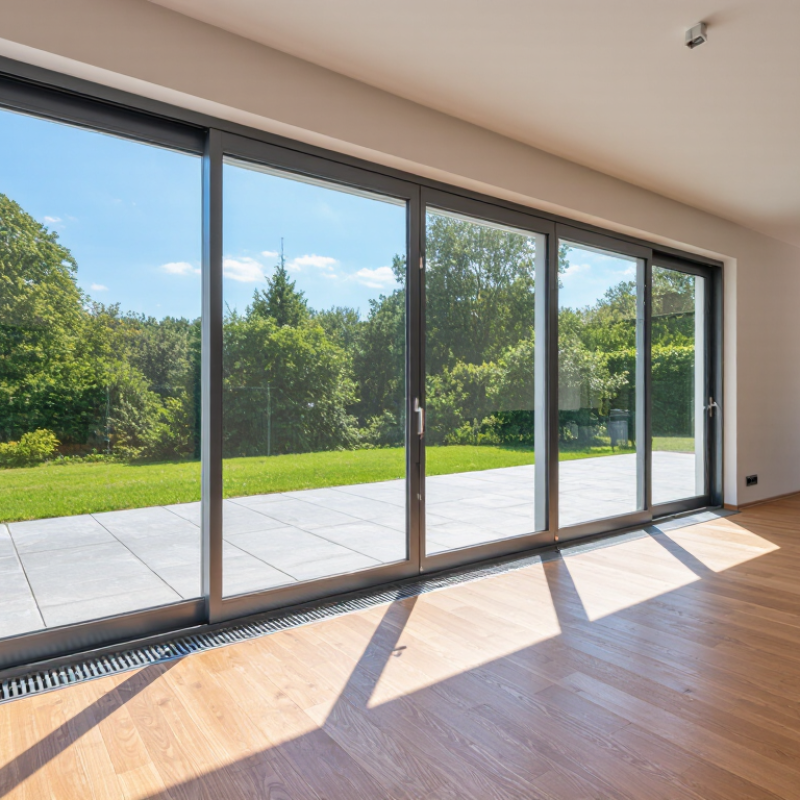
How to Choose the Best Aluminium Sliding Doors?

Define Door Size, Panel Count, Opening Type, and Required Load Capacity

How to Choose the Best Aluminium Sliding Doors?

Begin with the opening, not the door catalogue. Measure the finished width and height at three points, because walls and floors are rarely perfect. Record the smallest measurement. Allow space for the frame, drainage, seals, and installation tolerance. A wide opening may need two, three, or four panels. More panels can improve handling, but they also add tracks, joints, and cleaning areas.

Decide how the panels should open. A two-panel door may slide one panel behind the other, while a multi-panel system can create a wider clear passage. Pocket openings hide panels inside the wall, but they require careful waterproofing and structural planning. Corner openings look impressive, yet they demand accurate alignment and strong support at the roof and floor. The best opening type depends on furniture, traffic, ventilation, and emergency access.

Check the required load capacity before selecting glass or hardware. The frame and rollers must support the combined weight of aluminium, glass, seals, and wind pressure. Large insulated glass panels can become extremely heavy. Ask for tested load data, installation limits, drainage details, and maintenance requirements. Local building standards should also be reviewed by a qualified professional. A neat drawing can still hide a weak threshold. Recheck the floor level. Small errors often become stiff movement, water entry, or uneven gaps. Specification sheets help, but site conditions still deserve honest judgment.

Compare U-Factor, SHGC, Glass Options, and Air Leakage ≤0.3 cfm/ft²

How to Choose the Best Aluminium Sliding Doors?

A good aluminium sliding door should be judged by tested performance, not appearance alone. U-factor measures heat transfer through the complete door assembly. Lower values usually mean better insulation and reduced indoor temperature swings. Compare whole-unit ratings, because center-of-glass data can look better than real performance.

SHGC shows how much solar heat enters through the glass. In hot, sunny rooms, a lower SHGC can reduce cooling loads. In colder climates, moderate solar gain may provide useful warmth. Orientation matters too. South- and west-facing openings often need more careful glass selection. Low-emissivity coatings, double glazing, and triple glazing each change comfort, weight, and cost. Laminated glass can also improve sound control and safety, but it is not automatically the best choice for every opening.

Air leakage deserves close attention. Look for a tested rate of 0.3 cfm/ft² or lower, using a recognized test method. A tight door still performs poorly when the frame is twisted or the sill is badly sealed. Check the rollers, interlock, weather seals, and drainage path. Smooth operation is useful evidence, but it proves little by itself. Installation quality can erase a strong laboratory rating. That is easy to underestimate. Ask for certification documents, test conditions, and the exact door size tested. Numbers without context can mislead.

Check Structural, Wind, and Water Performance at 15% Design Pressure

How to Choose the Best Aluminium Sliding Doors?

Choosing an aluminium sliding door starts with performance evidence, not frame colour or showroom smoothness. Ask for test reports matching the project specification. At 15% design pressure, confirm exactly what the pressure represents. It may support a water test, but it does not replace full structural testing. Standards and local requirements can differ.

Check structural performance under positive and negative wind pressure. The frame should resist movement without dangerous distortion or glass stress. Inspect the meeting stile, rollers, tracks, locks, and corner joints. Small gaps often become obvious during testing. Look for measured deflection, permanent deformation, and operating results after pressure cycles. Numbers matter.

Water testing needs careful observation. A spray rack should imitate severe rain against the closed door. Watch the sill, drainage slots, interlock, and internal corners. Water should drain outward, not collect beneath the rollers. At 15% design pressure, the door may pass one water stage while failing stronger conditions. That distinction deserves attention.

A practical mistake is trusting a single certificate without checking its scope. Confirm the tested size, glass thickness, configuration, installation method, and pressure level. A laboratory result cannot guarantee careless installation. On site, uneven substrates can twist the frame. I would also question impressive claims lacking test dates or visible measurements. Performance should remain credible after repeated opening, dirt buildup, and seasonal movement.

Evaluate Track Design, Hardware Durability, Security, and Corrosion Resistance

Choosing the best aluminium sliding door starts beneath the frame. A well-drained track should guide water toward visible weep holes, not into the room. During a site check, run your fingers along the channel. Debris often hides in corners. Low-profile tracks look clean, but they may need more frequent cleaning. Ask whether the rollers can be adjusted or replaced without removing the entire panel. Smooth movement matters more than a showroom glide. Test it with one hand and a gentle pull.

Hardware deserves the same attention as the aluminium. Choose rollers with sealed bearings and a load rating suited to the glass panel. Handles should feel firm, with no flex at the fixing points. Check the lock engagement from inside and outside. A secure design commonly combines a multi-point lock, anti-lift blocks, and a frame that resists forced movement. Do not trust a heavy handle alone. Ask for installation records, laboratory test data, and maintenance instructions. An experienced installer should explain what happens if a roller wears early. That answer reveals more than polished sales language.

Corrosion resistance depends on exposure, finish quality, and maintenance. In coastal or humid areas, salt can settle inside the track and around fasteners. Look for a tested protective finish and compatible stainless-steel hardware. Rinse exposed surfaces with clean water, then dry them with a soft cloth. Avoid harsh cleaners; they can damage the finish and leave weak spots. Inspect corners, screw heads, and drainage openings twice a year. I once focused too much on appearance and overlooked drainage. It was a costly lesson.

How to Choose the Best Aluminium Sliding Doors? - Evaluate Track Design, Hardware Durability, Security, and Corrosion Resistance

Evaluation Area Key Dimension What to Look For Practical Benchmark Verification Method Importance
Track Design Track configuration Recessed or raised track with effective drainage and easy cleaning access Choose a design that prevents standing water and allows debris to be removed without dismantling the door Inspect drainage slots, end dams, weep paths, and cleaning access High
Roller material and adjustment Sealed bearings, corrosion-resistant components, and accessible height adjustment Rollers should move smoothly under the specified sash weight without binding or excessive noise Operate a fully assembled sample repeatedly and check for wheel wear, wobble, and adjustment range High
Track alignment and load support Rigid, level support beneath the track and accurate installation tolerances No visible deflection, sticking, or uneven gaps when the panels are opened and closed Confirm substrate flatness and follow the manufacturer’s maximum sash-weight limit High
Threshold accessibility Low-profile threshold balanced with water-management requirements A lower threshold improves accessibility, but it must still provide adequate weather resistance for the location Compare tested water-resistance performance with the project’s exposure and accessibility needs Medium
Hardware Durability Operating cycle performance Hardware tested for repeated opening and closing under the intended sash load Request a documented cycle-test result relevant to the door’s size, weight, and hardware configuration Review test documentation based on applicable hardware or door standards, such as EN 1527 where relevant High
Handle, lock, and fastener materials Stainless steel or suitably protected metal parts with compatible finishes Avoid exposed dissimilar metals that may cause galvanic corrosion in humid or coastal environments Check material specifications, protective coatings, isolation washers, and fastener compatibility High
Replacement and maintenance Replaceable rollers, seals, locks, handles, and accessible adjustment points Select systems with documented spare-part availability and clear maintenance instructions Obtain a parts list, warranty terms, cleaning guidance, and recommended service intervals Medium
Security Locking points Multi-point locking or equivalent resistance against forced lifting and prying The lock should engage fully into reinforced keep areas without excessive handle force Inspect the number and location of locking points and verify correct engagement with the frame High
Anti-lift protection Anti-lift blocks, interlocks, or equivalent measures that restrict panel removal Security features should remain effective after normal roller adjustment Check the panel interlock, anti-lift devices, frame engagement, and installation clearances High
Security classification Independently tested resistance level appropriate for the building risk For higher-risk locations, request a complete door-set test rather than relying only on individual lock specifications Review applicable test reports, such as EN 1627 classification where that standard is specified High
Corrosion Resistance Aluminium surface finish Anodized or powder-coated finish suitable for the intended exposure category The finish should be continuous, well-adhered, and free from visible pinholes, blistering, or exposed substrate Request coating specifications and relevant test evidence, such as ISO 9227 or applicable architectural coating standards High
Coastal and humid exposure Enhanced pretreatment, suitable coating system, and corrosion-resistant hardware Salt-laden air and persistent moisture require more robust protection than a dry inland environment Specify exposure conditions in advance and confirm the complete system—not only the aluminium profile—is suitable High
Drainage and routine cleaning Clear weep holes, removable debris, and regular fresh-water rinsing where salt exposure is present Blocked drainage and accumulated salts can accelerate corrosion and impair roller performance Inspect and clean tracks periodically; avoid harsh chemicals and abrasive tools unless approved for the finish Medium
Overall Selection Weather performance Effective gaskets, interlocks, drainage, and tested air, water, and wind resistance Use performance results appropriate for the project’s climate, building height, and exposure Request complete door-set test reports rather than profile-only data High
Glazing and panel weight Glass specification, sash dimensions, and hardware capacity considered together Oversized or heavy glazing should not exceed the tested capacity of the rollers, frame, or locking hardware Confirm glass type, thickness, panel weight, maximum dimensions, and approved hardware limits High
Installation and after-sales support Qualified installation, documented tolerances, maintenance guidance, and accessible replacement parts Even a well-designed door can fail prematurely if the opening is out of square or the track is incorrectly installed Evaluate installation instructions, service response, warranty coverage, and long-term parts availability High

Note: Performance requirements should be matched to the project location, door size, exposure, building regulations, and applicable local standards. Test results should apply to the complete door assembly and its specified configuration.

Calculate Whole-Life Cost, Warranty Coverage, and Installation Requirements

Choosing aluminium sliding doors requires more than comparing purchase prices. Whole-life cost includes delivery, installation, cleaning, hardware adjustment, glass replacement, and energy performance. A cheaper frame may need roller repairs sooner. That difference becomes noticeable after several winters.

Measure the opening carefully, including wall thickness, floor level, drainage, and nearby furniture. Installation requirements matter. Heavy panels may need two installers and reinforced fixings. Uneven floors can cause poor alignment, air leakage, or difficult movement. Ask for written details about frame tolerances, glass specification, drainage design, and expected installation time. During one renovation review, I found that a low quotation excluded internal making-good work. That oversight changed the final cost considerably.

Tips: Compare ten-year costs, not only the invoice. Request a warranty document with clear coverage periods for frames, glass, rollers, seals, and labour. Check whether accidental damage, condensation, colour changes, and installation faults are excluded. A long warranty sounds reassuring, but vague wording has limited value. Photograph the opening before installation. Keep invoices and maintenance records. Clean tracks regularly, yet avoid forcing a stiff panel. If the door still binds, arrange a professional inspection rather than adjusting hidden components blindly. Good planning reduces avoidable repairs, although even careful estimates can miss site-specific problems.

How to Choose the Best Aluminium Sliding Doors?

Calculate whole-life cost, warranty coverage, and installation requirements before selecting a system.

Planning benchmark for one 2.4 m × 2.1 m residential sliding door over 25 years. Values are estimated in USD and should be replaced with local supplier quotations, energy prices, and installation rates.

Whole-Life Cost

Compare purchase price with installation, maintenance, hardware replacement, and long-term energy impact. The lowest upfront price is not always the lowest 25-year cost.

Warranty Coverage

Check whether the warranty separately covers the aluminium frame, powder-coated finish, insulated glass unit, rollers, locks, seals, water ingress, and labour.

Installation Requirements

Confirm a level and structurally sound opening, correct sill drainage, suitable flashing, adequate handling access, and compliance with local building and safety requirements.

FAQS

What does the U-factor tell me about an aluminium sliding door?

It measures heat transfer through the complete door assembly. Lower values usually improve insulation. Compare whole-unit ratings, not glass-only figures.

How should I use SHGC when choosing glass?

SHGC shows how much solar heat enters the room. Lower values can reduce cooling in sunny spaces. Orientation matters, especially on south- and west-facing openings.

Is double glazing always better than single glazing?

Double or triple glazing can improve comfort, but it adds weight and cost. Choose based on climate, structure, and budget. More layers are not automatically perfect.

What air-leakage rating should I look for?

Seek a tested rate of 0.3 cfm/ft² or lower. Ask for the test method and exact door size. A tight rating means little if installation is poor.

Which glass option may improve sound control and safety?

Laminated glass can reduce noise and improve safety. However, it may increase weight and price. The best choice depends on the opening.

What installation details can affect sliding-door performance?

Check floor level, wall thickness, drainage, and frame tolerances. Uneven floors can cause binding and leakage. Heavy panels may require two installers and reinforced fixings.

How should I compare the long-term cost of sliding doors?

Include delivery, installation, cleaning, roller adjustments, glass replacement, and energy use. A cheaper frame may need earlier repairs. Ten-year estimates can reveal overlooked costs.

What should a useful warranty document include?

Check coverage for frames, glass, rollers, seals, and labour. Review exclusions for damage, condensation, colour changes, and installation faults. Long wording can still be vague.

How can I maintain smooth sliding performance?

Clean the tracks regularly and avoid forcing a stiff panel. If movement remains difficult, arrange professional inspection. I might underestimate site problems, even after careful measuring.

Conclusion

Choosing the best Aluminium Sliding Doors starts with matching the system to your project’s practical requirements. Confirm the opening dimensions, number of panels, sliding or stacking configuration, and required load capacity before comparing products. Energy performance is equally important, so review the U-factor, solar heat gain coefficient (SHGC), glass type, and air leakage rating, ideally no higher than 0.3 cfm/ft². These factors affect indoor comfort, heating and cooling costs, daylight, and noise control.

A reliable door should also be assessed for structural strength, wind resistance, and water performance at 15% of the specified design pressure. Examine the track design, roller quality, hardware durability, security features, and protection against corrosion, especially in demanding climates. Finally, calculate the whole-life cost rather than focusing only on the initial price. Include expected maintenance, energy use, warranty coverage, installation conditions, site preparation, and professional fitting requirements to make a balanced and long-term decision.

Evelyn

Evelyn

Evelyn is a highly experienced marketing professional dedicated to helping businesses better understand practical solutions, industry developments, and customer-focused innovation. With a strong command of the company’s products, services, and overall business strategy, she combines market insight......