0%

Aluminium windows can transform a room with slimmer sightlines, larger panes, and a crisp finish. But what should you budget? Aluminium Windows Prices vary with frame size, glazing, opening style, finish, and installation. A small fixed window may cost far less than a large sliding system. The specification matters.

There is no single official price list for homeowners. The UK Office for National Statistics publishes construction output and building-material price data, while BCIS tracks construction costs. These sources help explain changes in the wider market, but they do not set a universal installed price for each window. Treat online estimates as starting points, not promises. A quote for a bare frame is not the same as a fitted, glazed window with trims and disposal included.

A useful comparison starts with the details. Check dimensions, glass specification, hardware, finish, delivery, and installation. Ask whether the quote includes VAT and making good around the opening. Small omissions can change the final bill. A weak point in many guides is that they compare products with different specifications.

A verified industry specialist should also help put the figures in context. [Insert expert’s full name and a verified quotation about aluminium window pricing here.] Without a source for that statement, attributing a quotation would be unreliable. The sections ahead explain the main cost drivers, typical price ranges, and questions to ask before accepting a quote.
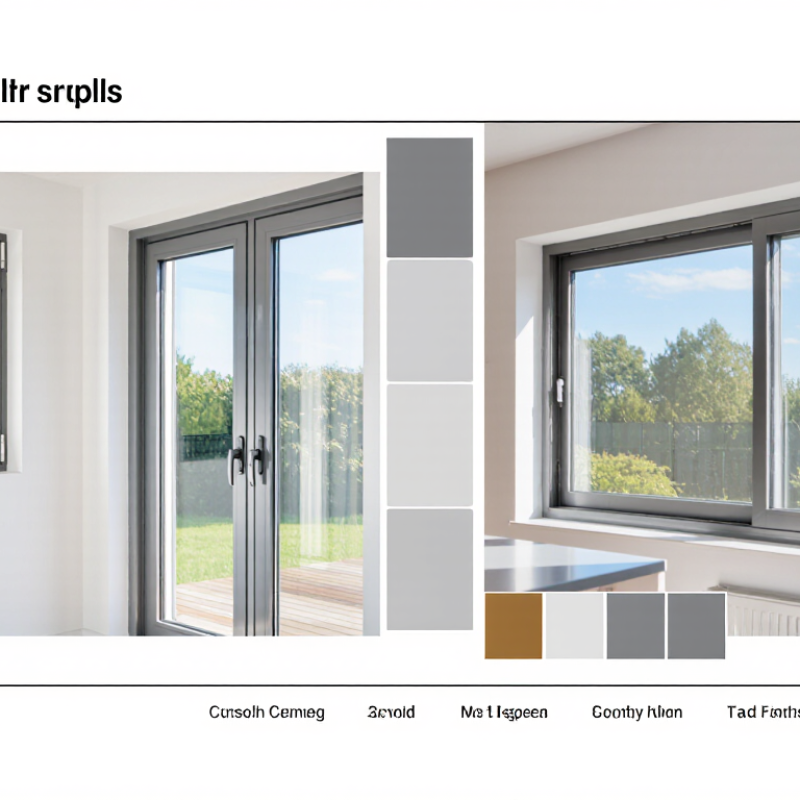
How Much Do Aluminium Windows Cost?

Typical U.S. Installed Cost: $400–$1,200 per Aluminium Window

How Much Do Aluminium Windows Cost?

A typical U.S. installed aluminium window costs $400–$1,200. That range is a planning benchmark, not a guaranteed quote. A small, standard insert may sit near the lower end. Large picture windows, custom shapes, and full-frame replacements can cost much more. Labor, glass type, access, and removal of the old frame also affect the final bill. One overlooked detail: repairing damaged trim or flashing can add cost after installation begins.

The U.S. Department of Energy’s window guidance highlights frame material, glazing, climate, and installation as factors in energy performance. Aluminium conducts heat readily, so ask whether the frame has a thermal break. Check the product’s National Fenestration Rating Council label for U-factor and solar heat gain coefficient ratings. These figures help compare units, but they do not predict your exact utility savings. A low quote may exclude disposal, interior repairs, or upgraded glass.

Tips: Request itemized quotes for the same window size, glass package, and installation method. Ask whether permits, sealing, and cleanup are included. Measure twice. Small differences matter. Compare the written warranty and confirm who handles water leaks or frame adjustments. If the contractor cannot explain the ratings clearly, pause and get another opinion.

How Frame Design and Glazing Choices Affect the Final Price

Aluminium window prices depend on more than the opening size. A slim frame may use less visible metal, but large panes need careful engineering and strong hardware. Thermal breaks—insulating strips inside the frame—add material and manufacturing steps. They matter most in cold weather, where an unbroken metal frame can feel chilly beside the glass. Small details matter.

Glazing changes the quote, too. Double glazing is usually less costly than triple glazing, while low-emissivity coatings and gas fills can raise the price. The U.S. Department of Energy’s Energy Saver guidance reports that low-e windows can reduce window energy loss by 30% to 50% compared with standard windows. ENERGY STAR’s 2023 criteria set maximum U-factors from 0.22 to 0.32 across U.S. climate zones. These figures show why the right glass package depends on location, not just preference.

Ask suppliers to list frame depth, thermal-break type, glass layers, coating, and U-factor separately. The National Fenestration Rating Council’s ratings help compare U-factor and solar heat gain coefficient across products. A wide south-facing window may benefit from a different glazing choice than a shaded bathroom window. Real quotes can still vary; unusual shapes, heavier glass, and installation access often complicate estimates. I would not treat the lowest quote as the clearest comparison.

Installation and Removal Costs: Allow for $100–$300 in Labor per Window

For aluminium windows, installation and removal labor may add about $100–$300 per window. This is a planning range, not a guaranteed quote. The lower end may suit a straightforward replacement where the opening is accessible and the old frame comes out cleanly. A second-floor window, tight interior access, or a damaged surround can take longer and push labor higher.

Removal takes care. A worker may need to protect flooring, loosen trim, cut old sealant, and lift out the frame without damaging nearby plaster or cladding. Disposal may cost extra. Ask whether the estimate includes removing the existing window, fitting the new one, sealing gaps, and cleaning up. Access matters.

The labor figure usually excludes the window itself and may not cover repairs to rotten timber, insulation, or interior trim. Those details can change the bill after removal, which is easy to overlook when comparing quotes. Ask for a written breakdown per opening, and check whether difficult access or disposal is priced separately. I would leave room in the budget for surprises; even a tidy-looking frame can hide a damp edge. A site visit gives a more dependable estimate than a rough online figure.

Compare Energy Performance Using NFRC U-Factor and SHGC Ratings

Aluminium window prices depend on size, opening style, glazing, and installation work. Energy ratings help explain what you are paying for. The NFRC label lists U-factor and Solar Heat Gain Coefficient, or SHGC, for a tested window. Compare complete-window ratings, not glass figures alone.

A lower U-factor means less heat passes through the window. This can help keep a room warmer beside a cold winter pane. SHGC measures how much solar heat enters. A higher rating may suit a cool, sunny room, while a lower one can reduce overheating on a hot west-facing wall. There is no single best combination. Climate, orientation, shading, and heating or cooling habits all matter.

Check that compared products have similar sizes and glazing configurations. Aluminium frames can conduct heat readily, so thermal breaks and insulated glass may affect the overall result. Ratings are useful, but they cannot predict every home’s energy use; installation gaps, curtains, and air leakage matter too. Not always obvious. Ask for the NFRC label and an itemized quote, then compare the added cost of performance options against your actual comfort needs. A highly rated window may cost more, but the payoff depends on your home and local conditions. My own comparison would still leave one question open: how well will the installer seal the frame?

How Window Size, Style, Finish, and Location Change the Quote

An aluminium window quote depends on more than the frame’s width and height. Larger openings usually need stronger sections and heavier glass, which can raise material and handling costs. A small bathroom window may be simple to fit; a wide living-room unit can require extra support and careful lifting. Measure the opening in several places. Older walls are rarely perfectly square.

Style changes the price, too. Fixed panes have fewer moving parts than sliding or tilt-and-turn windows. Opening sections add hardware, seals, and adjustment work. A dark or textured finish may cost more than a common neutral colour, especially if it is applied to both sides. The difference is not always large, but it is worth checking on the written quote.

Location affects labour, delivery, and access. A home far from suppliers may face higher transport charges, while a narrow lane or upper-floor installation can add time and equipment costs. Local energy requirements may also influence glass specifications. Ask whether the quote includes removal of old frames, finishing around the opening, and disposal. One detail I would double-check: measurements taken before old frames are removed can miss hidden damage, so an early estimate may need revision.

FAQS

What is the typical installed cost of an aluminium window?

A typical U.S. installation costs $400–$1,200 per window. Small standard units may cost less than large custom windows.

What can make the final price higher?

Full-frame replacement, upgraded glass, difficult access, and old-frame removal can raise the bill. Hidden trim damage may appear later.

Do window ratings predict my energy savings?

No. Ratings help compare heat transfer and solar heat gain, but your climate, installation, and daily habits also matter.

What does a lower U-factor mean?

It means less heat passes through the complete window. That can help a room feel warmer beside a cold winter pane.

How should I compare solar heat gain ratings?

A higher rating may suit a cool, sunny room. A lower rating can help reduce overheating on a hot, west-facing wall.

Does window style affect the quote?

Yes. Fixed panes usually have fewer moving parts than sliding or tilt-and-turn styles. Opening sections add hardware and adjustment work.

Why do size and location matter?

Large units may need heavier glass, stronger sections, and careful lifting. Upper floors, narrow lanes, or long delivery routes can add labor costs.

What should I check before accepting an estimate?

Compare quotes for the same size, glass, and installation method. Ask about disposal, sealing, cleanup, and repairs around the opening. Measure twice.

Can an early estimate change after installation begins?

Yes. Measurements made before old frames are removed can miss hidden damage. I would leave room for that uncertainty. Not always obvious.

Conclusion

Aluminium Windows Prices in the U.S. typically range from $400 to $1,200 per window installed, though the final quote depends on more than the frame alone. Frame design and glazing choices can affect both upfront cost and comfort: larger or more complex designs, upgraded glass, and added performance features may increase the price. Compare NFRC U-factor and SHGC ratings to understand how well a window limits heat transfer and manages solar heat gain, then weigh those ratings against your climate and needs.

Installation and removal can add about $100–$300 in labor per window, with costs varying by the condition of the opening and the difficulty of the work. Window size, operating style, finish, and location also influence the estimate; custom dimensions, specialty finishes, and challenging access may require a higher budget. Request an itemized quote that separates the window, glazing, removal, and installation so you can compare options accurately.

Amelia

Amelia

Amelia is a dedicated marketing professional with a strong understanding of the company’s products, customers, and industry trends. With extensive experience in content strategy, market research, and professional communications, she plays an important role in presenting the company’s expertise to a......