0%

Choosing the right Aluminum Window involves more than comparing prices or admiring a showroom display. The frame must suit your climate, wall structure, daily habits, and maintenance expectations. A coastal home may need stronger corrosion protection, while a busy city apartment may benefit from improved sound insulation. Glass type matters too. Low-emissivity glazing can reduce heat transfer, but its performance depends on the complete window system and correct installation.

Small details matter. Check the frame’s thermal break, drainage design, hardware quality, and warranty terms. Ask whether the manufacturer tests air leakage, water resistance, and structural performance. Reliable evidence should come from technical documents, independent testing, and experienced installers, not attractive brochures alone. Local building requirements should also guide your decision, especially for safety glazing, energy efficiency, and emergency openings.

Many buyers focus on appearance first and discover problems later. A narrow frame may look elegant, yet poor seals can create cold drafts near the sill. A large panel may brighten a room, but it can increase heat gain and cleaning effort. These trade-offs deserve an honest review. Even experienced homeowners can overlook installation quality, which often determines long-term performance. This guide presents ten practical tips for evaluating an Aluminum Window, from measurements and glass selection to ventilation and after-sales support. Some choices are not obvious. That is exactly why careful comparison matters.
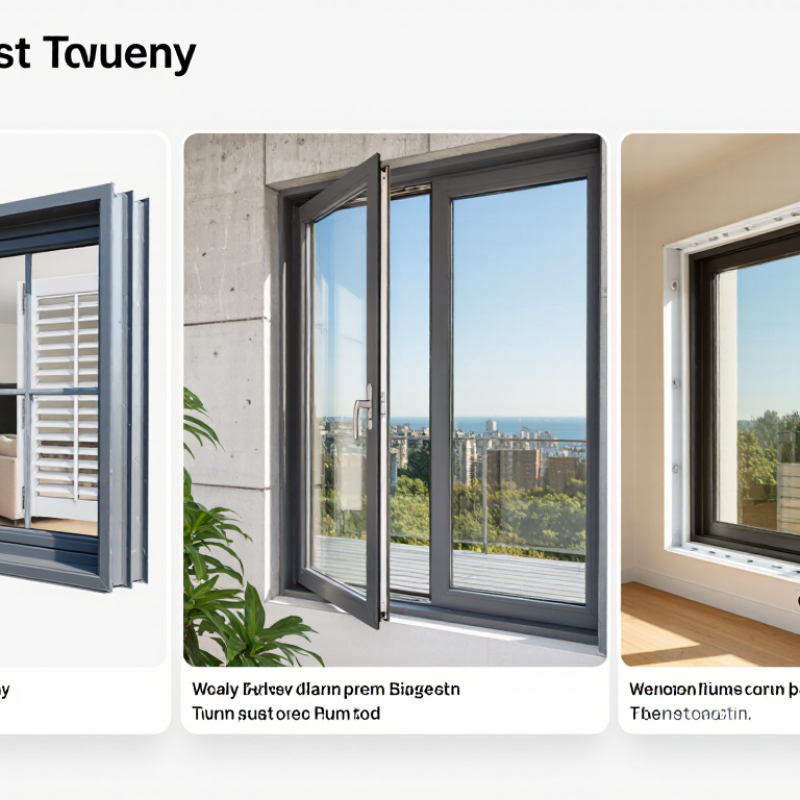
10 Tips for Choosing the Right Aluminum Window

Understanding Aluminum Window Types and Their Applications

Aluminum windows suit many buildings because the material is light, strong, and resistant to moisture. The right type depends on ventilation, sunlight, wall space, and local weather. Fixed windows provide clear views but do not open. They work well beside larger operable units. Sliding windows save space and suit bedrooms, corridors, and compact apartments. Casement windows open outward, giving strong airflow, while awning windows help protect openings during light rain.

Tip: Match the opening style to daily use.

For busy kitchens, casement or awning windows can direct ventilation more effectively than basic sliders. Large sliding systems fit living rooms, balconies, and commercial interiors, but their tracks need regular cleaning. Thermal-break aluminum frames reduce heat transfer through the metal. They are worth considering in homes with strong temperature changes or heavy air-conditioning use. Standard frames may cost less, yet they can feel hot or cold near the interior surface. This detail is often overlooked.

Tip: Check the frame, glass, and seals together.

During site visits, I look at drainage paths, corner joints, handle movement, and installation tolerance. A well-designed window can still perform poorly if the opening is uneven. Double glazing may improve comfort, but it is not automatically the best choice for every room. Some projects need stronger glass, narrower frames, or safer restricted openings. Measure the actual wall conditions, not only the drawing. Small errors matter.

Evaluating Frame Quality, Glass Options, and Thermal Performance

10 Tips for Choosing the Right Aluminum Window

Evaluating frame quality starts with the corners, drainage paths, and surface finish. Run your fingers along every joint. Sharp edges or uneven gaps suggest rushed fabrication. A rigid frame should resist twisting when handled, yet it should not feel unnecessarily heavy. Look for thermal breaks between the inner and outer aluminum sections. Without them, indoor warmth can quickly escape through the frame.

Glass selection deserves equal attention. Double glazing suits many homes, while triple glazing may help in colder climates or noisy streets. Low-emissivity coatings can reduce heat transfer and limit fading near sunny windows. Ask for the glass thickness, gas fill, and spacer material. Warm-edge spacers usually reduce condensation around the perimeter. Small details matter.

Thermal performance should be judged from tested data, not sales language. Check the whole-window U-value, solar heat gain information, and air-leakage results. A low frame value means little if the glass performs poorly. I once focused on attractive frames and ignored installation quality. That assumption was wrong. Even excellent windows can leak around poorly sealed openings. Request certified test documents, inspect the sill before installation, and confirm that installers follow the specified flashing method. Local climate, window orientation, and room ventilation also change the final result.

Measuring Openings and Confirming Installation Requirements

Before ordering an aluminum window, measure the opening in three places: top, center, and bottom. Record width and height separately. Use the smallest dimension, not the average. Walls shift, and old frames are rarely square. A 2023 U.S. Department of Energy report notes that windows can account for about 25–30% of residential heating and cooling energy use, so small fitting errors may become expensive.

Leave the manufacturer’s recommended clearance for shims, insulation, and movement. Do not guess it.

Check the sill for level and inspect the surrounding wall for rot, cracks, or trapped moisture. A beautiful frame cannot correct a weak opening.

The FGIA/AAMA 2400 installation standard emphasizes proper fastening, flashing, and perimeter sealing for flanged windows in wood-framed walls.

Confirm whether your project uses a replacement frame, a new-construction flange, or a masonry installation. The method changes the required dimensions. It also changes the sequence of waterproofing.

NFRC rating documents provide U-factor and solar heat gain coefficient data; compare these values with your climate and window orientation.

South-facing glass may need stronger solar control, while shaded north-facing openings may prioritize insulation.

Measure twice. I still recommend a site check by an experienced installer, because a tape measure cannot reveal every hidden condition.

Comparing Security Features, Hardware, and Maintenance Needs

Choosing the right aluminum window requires more than checking frame color and glass size. Security features deserve careful attention. Look for multi-point locking systems that engage firmly along the sash. The handle should feel solid, not loose or excessively light. Laminated glass can delay forced entry because its inner layer holds broken pieces together. Ask whether the locking hardware has been tested to recognized local standards. A restrictor may also improve safety on upper floors, especially in homes with children.

Hardware quality affects daily comfort and long-term reliability. Stainless steel or suitably coated components usually resist moisture better than untreated metal. Hinges, rollers, handles, and drainage channels should work smoothly during inspection. Small parts matter. Poorly aligned rollers can create pressure, noise, and uneven seals. I have seen attractive windows perform badly because installers rushed the adjustment stage. That detail is easy to miss.

Maintenance needs should match your routine and climate. Clean frames with mild soap and water, then clear dirt from drainage openings twice a year. Check weather seals for cracks or flattening. Replace damaged seals promptly, because small gaps can increase drafts and condensation. Avoid abrasive cleaners and excessive force on moving parts. No window is maintenance-free. Before purchasing, request clear cleaning instructions, replacement-part availability, and written warranty terms. Also confirm that the installer can service the hardware after installation, not only sell it.

Reviewing Costs, Warranties, and Supplier Reliability

When comparing aluminum windows, do not judge the quote by price alone. Ask for a line-by-line estimate covering frames, glass, hardware, delivery, removal, and installation. A low quote may exclude flashing or interior finishing. That omission can become an expensive surprise.

Request written warranty terms before signing. Check coverage periods for frames, finishes, seals, hardware, and glass. Ask who handles labor if a part fails. Some warranties cover replacement materials but not the technician’s visit. Keep the quotation, product specifications, and installation photos in one folder. Small details matter later.

Supplier reliability deserves equal attention. Visit a completed project if possible, and inspect corner joints, drainage paths, and opening alignment. Ask how service requests are recorded and how long typical repairs take. A professional supplier should explain performance ratings without avoiding difficult questions. I once focused too heavily on frame appearance and overlooked delivery timing. The windows arrived late, delaying other trades. That experience changed my checklist: confirm production schedules, packaging standards, and responsibility for transit damage. References can help, but recent, verifiable feedback is more useful than polished promises. Beware of vague guarantees. Get every important answer in writing.

10 Tips for Choosing the Right Aluminum Window

Typical U.S. residential planning benchmarks for installed cost and product warranty. Use them to compare quotations, warranty coverage, and supplier reliability before making a purchase.

Thermally broken and impact-rated systems generally cost more because of improved insulation, structural reinforcement, or code requirements. A longer product warranty is valuable only when the supplier provides clear exclusions, service contacts, and dependable after-sales support. Actual prices vary by size, glazing, location, installation complexity, and building regulations.

FAQS

Which aluminum window type suits different rooms?

Fixed windows provide clear views but no ventilation. Sliding windows save space in bedrooms, corridors, and compact apartments. Casement windows create strong airflow. Awning windows offer ventilation during light rain. Match the opening style to daily use.

Are aluminum windows suitable for changing weather conditions?

Yes, aluminum resists moisture and offers strong, lightweight frames. Thermal-break frames reduce heat transfer through the metal. They help in homes with sharp temperature changes. Standard frames may feel hot or cold indoors.

What should I check before choosing the glass?

Compare insulation and solar-control ratings with your climate. South-facing glass may need stronger solar protection. Shaded openings may prioritize insulation. Double glazing can improve comfort, but it is not always necessary. The best option depends on each room.

How should an opening be measured?

Measure width and height at the top, center, and bottom. Record every measurement separately. Use the smallest dimension, not the average. Leave the recommended clearance for shims, insulation, and movement. Measure twice.

What conditions can affect installation?

Check whether the sill is level. Inspect the wall for cracks, rot, or trapped moisture. Confirm the installation method, such as replacement, new construction, or masonry. Uneven openings can damage performance. A tape measure cannot reveal every hidden condition.

What installation details deserve close attention?

Review drainage paths, corner joints, handle movement, and frame alignment. Confirm fastening, flashing, and perimeter sealing requirements. Small gaps can allow water or air leakage. A beautiful frame cannot repair a weak opening.

What costs should a window quotation include?

Request separate prices for frames, glass, hardware, delivery, removal, and installation. Ask whether flashing and interior finishing are included. A low quote may hide important work. That surprise can become expensive.

How can I judge a supplier’s reliability?

Ask for recent, verifiable project references. Inspect completed corners, drainage paths, and opening alignment if possible. Confirm production dates and packaging standards. Ask who handles transit damage and repair labor. I once overlooked delivery timing. The delay affected other trades.

Conclusion

Choosing the right Aluminum Window requires more than comparing appearance and price. Start by understanding the available window types and selecting a design that suits the building’s purpose, climate, ventilation needs, and style. Carefully evaluate frame quality, glass options, insulation, weather resistance, and thermal performance to improve comfort and energy efficiency. Before ordering, measure each opening accurately and confirm wall conditions, dimensions, drainage, and installation requirements with a qualified professional.

Security, hardware quality, ease of operation, and maintenance needs should also influence your decision. Look for durable locks, reliable hinges, smooth mechanisms, and finishes that are easy to clean and maintain. Finally, compare the total cost, including delivery and installation, rather than focusing only on the initial price. Review warranty coverage, service terms, product specifications, and the supplier’s reliability. A well-researched choice will provide lasting performance, safety, comfort, and value while reducing the risk of installation problems or unexpected expenses.

Julian

Julian

Julian is a dedicated marketing professional with a deep understanding of the company’s products, customers, and industry landscape. Through years of experience in product communication, market research, and digital content strategy, he helps transform complex product features into clear,......