Choosing a supplier for Aluminium Doors And Windows involves more than comparing prices or browsing product photographs. Global buyers must consider profile design, thermal performance, weather resistance, hardware quality, and the supplier’s ability to meet project requirements. A window suited to a mild climate may not perform equally well in a coastal or cold region. Details matter.
This guide introduces ten manufacturers that serve international markets, offering buyers a practical starting point for research. The companies differ in product ranges, manufacturing capabilities, customization options, and export experience. Some focus on large commercial façades, while others offer systems for homes, renovations, or both. Buyers should verify specifications, certifications, warranty terms, and local support directly with each manufacturer, since availability and standards can vary by market.
A ranked list can help narrow the field, but it cannot replace project-specific checks. A polished catalogue, for example, may not reveal lead times, installation guidance, or how a supplier handles replacement parts. These details deserve attention before a purchase decision. The overview below is intended to support comparison, not declare one universal winner. The right choice depends on the building, climate, budget, and delivery needs. Even experienced buyers may find that a promising option needs closer scrutiny once technical drawings and quotations arrive. That is normal. The aim is to make the next conversation with a manufacturer more informed and more precise.
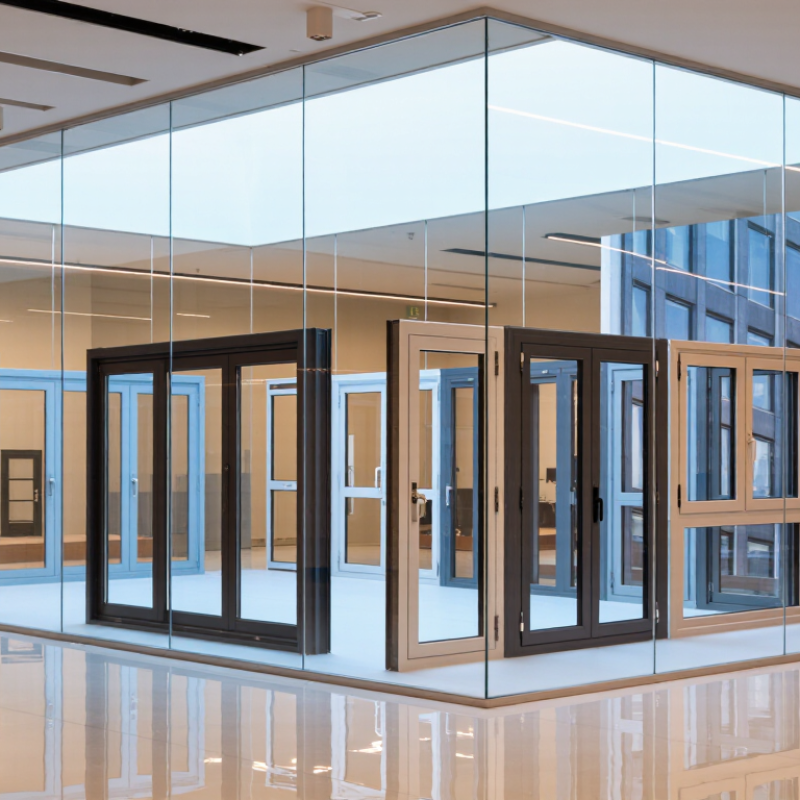
Understanding the Global Aluminium Doors and Windows Market
The global aluminium doors and windows market is shaped by climate, building codes, and changing expectations for energy use. Buyers in cold regions often prioritize insulated frames and airtight seals, while coastal projects need finishes that withstand salty air. There is no universal specification. A frame that performs well in a dry inland climate may need different surface protection beside the sea.
Product comparisons should look beyond appearance and quoted price. Check frame depth, glazing options, drainage details, hardware, and documented test results. Ask how performance figures were measured; numbers from different test methods may not be directly comparable. Small details matter. A poorly fitted corner joint can allow water or air to pass, even when the frame looks sturdy.
Lead times, packaging, and replacement-part availability also affect the real cost of importing. Request samples or installation drawings when possible, and confirm that local installers understand the system. This can be overlooked. A technically capable product may still cause problems if instructions are unclear or parts arrive late. Buyers should compare suppliers using project-specific evidence, while recognizing that paperwork alone cannot reveal every weakness in production or service.
Top 10 Aluminium Doors and Windows Manufacturers for Global Buyers - Understanding the Global Aluminium Doors and Windows Market
Use the criteria below to compare manufacturers and verify product suitability for the destination market. Applicable standards and code requirements vary by product type and jurisdiction.
| No. | Buyer Evaluation Dimension | Relevant Standard or Reference | What to Verify | Why It Matters |
|---|---|---|---|---|
| 1 | Product scope and intended use | EN 14351-1 | Confirm that the tested product type and intended use match the project. This European product standard covers performance characteristics for windows and external pedestrian doorsets, subject to its scope and exclusions. | A test report is useful only when it relates to the product and application being purchased. |
| 2 | Air permeability | EN 12207; ASTM E283 | Request the tested air-leakage result and classification or rating under the standard applicable to the project market. | Air leakage can affect drafts, comfort, and building energy use. |
| 3 | Water penetration resistance | EN 12208; ASTM E331 | Check the test pressure, specimen configuration, and reported water-penetration result. | The required resistance depends on exposure, building height, and local weather conditions. |
| 4 | Wind-load resistance | EN 12210 | Compare the declared classification and test evidence with the project design pressures and opening size. | Wind resistance is important for structural performance and weather-tightness, especially in exposed locations. |
| 5 | Thermal transmittance | ISO 10077-1 and ISO 10077-2 | Request the calculation method and U-value for the complete window or door assembly, including the frame and glazing where applicable. | Whole-product thermal performance is more informative than a frame-only figure. |
| 6 | Thermal test evidence | ISO 12567-1 | Where applicable, check whether the reported whole-window or whole-door thermal transmittance was determined using the relevant hot-box test method. | A consistent test method helps buyers assess and compare declared thermal performance. |
| 7 | North American performance specification | AAMA/WDMA/CSA 101/I.S.2/A440 | For applicable North American projects, confirm the product class, performance grade, and supporting test documentation. | This specification provides performance requirements and test methods for covered fenestration products. |
| 8 | Market access and regulatory documentation | Applicable national building regulations and conformity rules | Verify required declarations, markings, technical files, and local approvals for the destination market and product category. | Requirements differ between markets and may change; confirm them with the relevant authority or project professional. |
| 9 | Quality management | ISO 9001 | Check the certificate scope, issuing body, validity, and whether it covers the relevant manufacturing site and activities. | ISO 9001 concerns quality management systems; it is not, by itself, a product-performance certification. |
| 10 | Environmental management | ISO 14001 | Confirm whether the manufacturer has a current environmental management system certificate covering the relevant site and scope. | ISO 14001 addresses environmental management systems; it does not establish the environmental impact of a specific product. |
FAQS
Compare documented test results, sample quality, production checks, delivery capacity, and after-sales support. A brochure alone proves little.
Ask for reports covering air leakage, water penetration, wind resistance, and thermal performance. Check that methods suit the destination market.
Not necessarily. Confirm the certificate’s scope, issuing body, and validity. One profile certificate may not cover every size or glazing option.
Review frame sections, hardware, seals, finishes, drainage, glass options, and thermal-break design. Request a sample corner and coating details.
Match product performance to climate and use. Coastal sites may need better corrosion resistance; high-rise projects may need tested wind-load systems.
Check documented lead times, export packaging, comparable shipping experience, and spare-part availability. Ask how finished frames are protected in transit.
Compare specifications, included hardware, and testing requirements alongside the quoted price. A low quote may omit important items.
Ask how batches are inspected, defects recorded, and reports shared. Confirm warranty terms and how damage or installation questions are handled.
It helps track unanswered questions, but cannot replace reviewing samples and documents. Even clear drawings and quick replies do not guarantee a smooth project.
Conclusion
This article explores the global Aluminium Doors And Windows market and the factors that matter when sourcing products for international projects. It outlines practical criteria for evaluating manufacturers, including product range, material quality, production capacity, customization options, and experience serving buyers across different regions. The profiles of ten manufacturers offer a structured way to compare supplier capabilities without focusing on brand promotion.
The article also explains how to assess product specifications, relevant certifications, export experience, and global supply capabilities. Buyers can use these considerations to weigh durability, design requirements, lead times, communication, and after-sales support when selecting an international supplier. By comparing these factors against project needs and budget, buyers can make a more informed choice and build a reliable sourcing process.