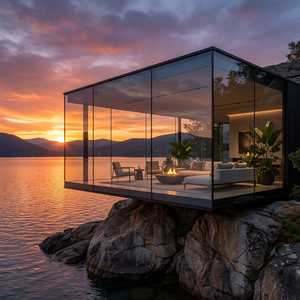
Featured Fenestration & Insect Barrier Systems
Explore our flagship architectural products engineered for extreme durability, airtight sealing, insect shielding, and climate control.
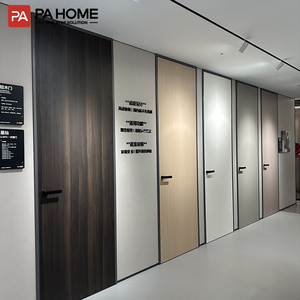
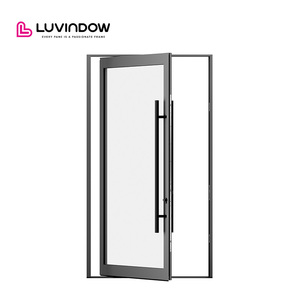
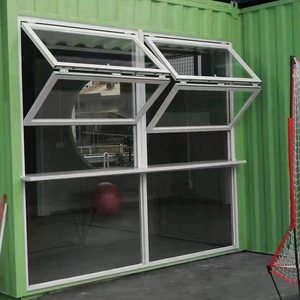
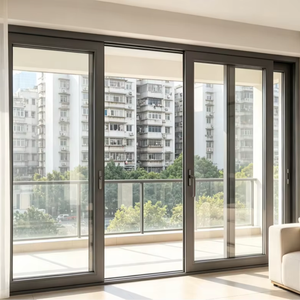
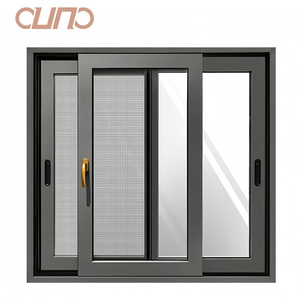
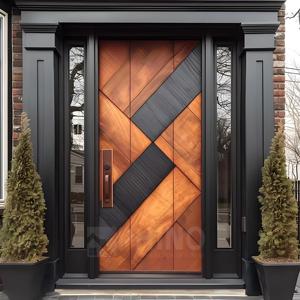
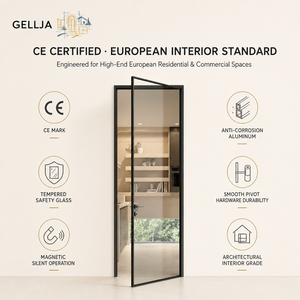
Technical Architecture & CE Compliance in Modern Insect Mesh Systems
In contemporary architectural fenestration, the specification of aluminium mosquito mesh doors has evolved far beyond basic insect screening. Modern B2B importers, structural engineers, and commercial developers require multi-functional fenestration envelopes that combine vector-borne disease defense, anti-burglary physical security, thermal isolation, and strict regulatory compliance.
At Changsha Wincraft Aluminum Window Tech Co., Ltd., our manufacturing framework is built directly around the rigorous European Standard EN 14351-1:2006+A2:2016 (Windows and doors - Product standard, performance characteristics). CE certification is not merely a label; it represents empirical validation of air permeability, water tightness, structural wind load resistance, and operating forces across diverse climate zones.
Information Gain Key Metric: CE certified 6063-T5/T6 architectural aluminum profiles combined with high-tensile 316 marine-grade stainless steel mesh withstand mechanical knife-shear attacks exceeding 350 N tensile stress while providing 100% vector defense against Aedes aegypti and Anopheles mosquitoes down to 1.1mm micro-apertures.
6063-T6
Extruded Alloy Grade
0.8 mm
316 SS Wire Gauge
Class 9A
Water Tightness Rating
E2400
Wind Load Pressure (Pa)
Anatomy of an Engineering-Grade Aluminium Mosquito Mesh System
To meet commercial import specifications, an aluminum mosquito mesh door must integrate four distinct structural layers:
- Primary Extruded Frame: Manufactured from primary aluminum alloy (6063-T5 or heat-treated T6) with nominal wall thicknesses ranging from 1.4mm to 2.5mm, ensuring zero frame deflection during high-wind loading.
- High-Tensile Woven Security Mesh: Utilizing 304 or 316 marine-grade stainless steel wire woven at precise 11-mesh or 14-mesh counts per inch. The mesh undergoes electrostatic powder coating with fluorocarbon (PVDF) or AkzoNobel Qualicoat resins for 3,000-hour salt spray resistance.
- Thermal-Break Barrier: Polyamide 66 with 25% glass fiber (PA66-GF25) thermal strips co-extruded within the aluminum profiles, preventing thermal bridging and drastically reducing overall U-values for green building energy codes.
- Multi-Point Locking & Perimeter Sealing: Multi-point gear locks (German-engineered hardware) synchronized with continuous EPDM (Ethylene Propylene Diene Monomer) weather-stripping, securing the leaf into the outer frame against both physical intrusion and air leakage.
Future Procurement & Sourcing Trends in Architectural Fenestration (2025–2035)
Global supply chain managers, residential project contractors, and regional fenestration distributors face evolving market dynamics. Sourcing decisions are shifting away from standalone window and door frames toward fully integrated, smart-enabled, and climate-resilient envelope solutions. Key macro trends reshaping the procurement landscape include:
1. High-Transmittance "Invisible" Mesh
Demand is surging for ultra-thin 0.5mm 316 SS wire mesh woven at 18-mesh density. B2B buyers favor these systems because they deliver 78%+ optical transparency, allowing unobstructed views while retaining high mechanical puncture resistance.
2. Flush Floor & Universal Barrier Access
Modern architectural codes mandate flush floor tracks (zero-threshold) for ADA compliance and seamless indoor-outdoor transition in luxury villas. Advanced track drainage prevents water ingress while housing sliding mosquito screens.
3. Motorized Smart Home Integration
Automated retractable mosquito screens wired to RS485, Zigbee, or KNX smart home protocols are replacing manual screens in premium projects. Automated sensors retract screen panels during storm wind conditions.
Technical Material Comparison: 304 vs. 316 Mesh & Alloy Grade Selection
Selecting the ideal alloy configuration and mesh grade prevents premature oxidation, hinge sag, and seal breakdown. Below is a engineering benchmark matrix used by our OEM/ODM design division when tailoring fenestration packages for regional importers:
| System Parameter | Standard Commercial Grade | Premium Coastal / High-Security | Wincraft Factory Benchmark |
|---|---|---|---|
| Aluminum Alloy Profile | 6063-T5 (Wall thickness 1.4mm) | 6063-T6 Structural (Wall thickness 2.0mm+) | ✓ 6063-T5 / T6 Primary Extrusion |
| Insect Screen Material | Fiberglass / Stainless Steel 201 | 304 High-Tensile Stainless Steel | ✓ 316 Marine-Grade SS (King Kong Mesh) |
| Mesh Wire Diameter | 0.4mm – 0.5mm | 0.7mm – 0.8mm | ✓ 0.8mm Precision Weave (Anti-Pry) |
| Surface Treatment | Standard Anodizing / Mill Finish | PVDF Fluorocarbon Spray | ✓ AkzoNobel Qualicoat Powder Coating |
| CE EN 14351-1 Compliance | Basic Certificate | Fully Tested (Air / Water / Wind) | ✓ Certified Class 4 Air & Class 9A Water |
| Salt Spray Resistance | 480 Hours | 1,500 Hours | ✓ 3,000 Hours (ASTM B117 Tested) |
Enterprise Advantage: Changsha Wincraft Manufacturing Infrastructure
As a premier manufacturer and exporter headquartered in Hunan, China, Changsha Wincraft Aluminum Window Tech Co., Ltd. operates a modernized 20,000+ square meter production base dedicated exclusively to high-performance aluminum doors, windows, sunrooms, and garden pavilions. Serving over 80 countries and regions across North America, Europe, Australia, and the Middle East, our factory integrates digital fabrication with strict European quality control.
20,000+ ㎡ Production Base
Equipped with automated CNC double-head cutting saws, automated mesh crimping machines, multi-station milling centers, and dust-free powder coating lines for continuous bulk output.
24-Hour Design Turnaround
Our dedicated engineering department converts client architectural floorplans into precise 24-hour CAD shop drawings and 3D renderings for instant project sign-off.
4-Week Production Lead Time
Standard custom B2B orders are completed within ~4 weeks. Staggered manufacturing plans accommodate batch sea-freight shipments for multi-stage resort or housing developments.
Whether you require private-label packaging for local retail distribution (OEM) or complete system customization based on structural shop drawings (ODM), Wincraft provides an uncompromised supply line direct from our workshop to your container port.
Comprehensive B2B Procurement FAQ
Direct answers to critical technical and commercial questions raised by international importers, general contractors, and procurement managers prior to order placement:
Q1
How does your CE certification guarantee compliance with European building codes?
Our products undergo third-party laboratory testing under EN 14351-1 standards. Test reports verify parameters including air permeability (EN 12207 Class 4), watertightness (EN 12208 Class 9A), and wind load resistance (EN 12210 Class C5/E2400). CE documentation and Declarations of Performance (DoP) are provided with every batch.
Q2
What is the mechanical difference between 304 and 316 stainless steel mosquito mesh?
While 304 SS provides robust anti-theft and insect shielding for general inland climates, 316 stainless steel contains 2-3% Molybdenum. This chemical additive provides superior resistance to pitting corrosion caused by salt spray in coastal zones or industrial chemical environments, extending mesh life beyond 15+ years.
Q3
Can Wincraft manufacture custom profile extrusions and RAL powder coat colors?
Yes. We provide comprehensive OEM/ODM customization. Profile frame dimensions, thermal break strip positions, glass configurations, and hardware brands (e.g., Siegenia, Hoppe, or custom Wincraft hardware) can be modified. Surface treatments support any standard RAL color, anodized finishes, or realistic wood-grain transfers.
Q4
What is the typical production timeline and export packaging safeguard?
Standard customized production requires approximately 4 weeks from drawing confirmation. To eliminate transit damage, products are wrapped in protective scratch-resistant film, padded with corner protectors, and packed into fully enclosed fumigated plywood crates suitable for FCL or LCL ocean shipping.
Q5
How do flush floor tracks perform against rainwater infiltration during storms?
Our engineers utilize a hidden sub-frame drainage channel system. Water collected in the track is directed outward via uniflow check-valves that prevent wind-driven backflow, keeping interior floor levels completely dry even under torrential precipitation conditions.
Q6
Do you support technical installation support for remote construction sites?
Yes. Every shipment includes step-by-step installation manuals and exploding 3D assembly diagrams. For major commercial developments or villa projects, our engineering team offers video conference installation guidance and direct technical support to local assembly crews.