Flagship Fenestration & Louvre Door Systems
Direct Factory Sourcing Solutions Engineered for Residential, Commercial & Architectural Projects Worldwide
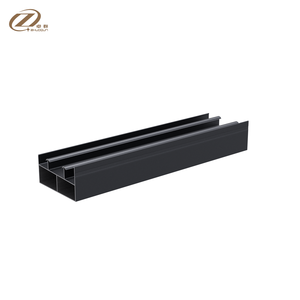
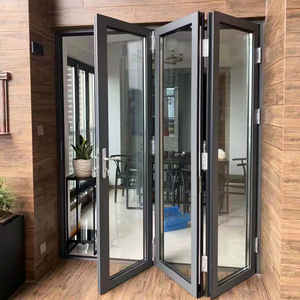
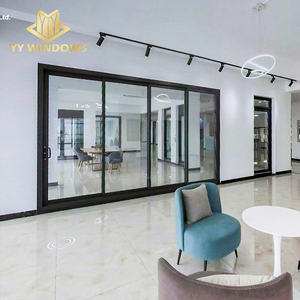
1. Technical Blueprint: Architectural Engineering of Aluminium Louvre Doors
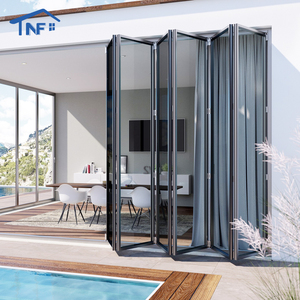
Aluminium louver doors represent a critical intersection between passive micro-climate regulation, building security, and modern architectural aesthetics. Unlike traditional standard doors, louver door systems utilize precisely pitched, angled blades—either fixed or operable—to balance continuous ventilation, solar shading, acoustic privacy, and water ingress defense.
When sourcing from premier Chinese manufacturers, architectural specifiers and commercial buyers must evaluate the underlying metallurgical and structural parameters that dictate long-term performance:
1.1 Aluminium Metallurgy & Alloy Standards
Leading Chinese factories utilize primary 6063-T5 or 6063-T6 architectural aluminium alloys for extrusions. Standard wall thicknesses for load-bearing door profiles typically range from 1.4mm to 2.5mm, while structural louver blades subjected to wind pressure (up to 5.0 kPa) maintain a minimum nominal thickness of 1.8mm to 3.0mm depending on span length.
- 6063-T5 Alloy: Offers superior extrusion surface quality, optimized for anodizing or PVDF powder coating; tensile strength ≥ 185 MPa.
- 6063-T6 Alloy: Artificially aged for heightened yield strength (≥ 210 MPa); highly recommended for hurricane-impact louver systems and heavy commercial traffic entrances.
1.2 Blade Configurations & Aerodynamic Profiles
Louver door functionality depends heavily on the blade dynamic geometry. The three primary louver blade archetypes used in Chinese manufacturing include:
- Aerofoil (Elliptical) Blades: Widths ranging from 100mm to 350mm. Designed primarily for external solar control, operable sun-shading louver doors, and high-velocity wind zones. Aerofoil profiles significantly reduce wind noise and turbulence.
- Z-Blade & Chevron Louvers: Engineered specifically for storm resistance, plant room ventilation, and sight-proof privacy doors. Chevron profiles force incoming air through dual 90-degree turns, trapping airborne water droplets in integral drainage channels.
- Acoustic Louver Blades: Filled with high-density mineral wool insulation behind perforated aluminium liners, achieving Sound Transmission Class (STC) ratings between STC 28 and STC 42 for mechanical rooms and quiet interior partitions.
Information Gain Benchmark: High-performance operable louver doors from tier-1 Chinese factories integrate dual-layer EPDM perimeter seals and nylon linkage gearboxes, maintaining air permeability below 0.5 m³/(h·m) under ASTM E283 testing while offering seamless motorization via 24V DC actuators.
2. Material Science & Surface Coating Standards (AAMA 2605 & Qualicoat)
Exterior architectural aluminium louvers installed in coastal, tropical, or highly polluted urban environments face aggressive degradation risks from salt spray, ultraviolet (UV) radiation, and chemical corrosion. China's top louver door manufacturers adhere to rigorous international coating benchmarks:
| Coating Technology | Standard Specification | Thickness (Microns) | Salt Spray Resistance (ASTM B117) | Ideal Project Application |
|---|---|---|---|---|
| Fluoropolymer PVDF Coating | AAMA 2605 / Qualicoat Class 3 | 30 – 40 μm (2 or 3 coat system) | > 4,000 Hours | Coastal resorts, high-rise facades, severe tropical climates |
| Architectural Powder Coating | AAMA 2604 / Qualicoat Class 2 | 60 – 80 μm | > 2,000 Hours | Standard commercial & residential villa exterior doors |
| Hardcoat Anodizing | AAMA 611 / ISO 7599 | 15 – 25 μm (Class I) | > 3,000 Hours | High-traffic institutional doors, industrial ventilation louvers |
| Wood Grain Sublimation | Qualideco Certification | 60 – 70 μm | > 1,500 Hours | Luxury architectural villas desiring timber appearance with zero maintenance |
3. Selecting & Auditing Premier Chinese Louver Door Manufacturers
China is home to thousands of fenestration factories, concentrated predominantly in Foshan (Guangdong), Changsha (Hunan), and Shandong. To ensure supply chain reliability, commercial buyers must conduct a rigorous multi-tier factory evaluation:
In-House Tooling & Extrusion
Direct manufacturers with dedicated extrusion lines and CNC die-cutting capabilities offer rapid custom blade profile development within 10 to 14 business days.
Testing & Lab Validation
Verify whether the factory operates internal testing rigs for water penetration (ASTM E331), structural wind load performance (ASTM E330), and acoustic isolation.
BMS & Automation Support
Tier-1 factories supply motorized louvers integrated with SOMFY or custom RS485 controllers compatible with modern Smart Home / Building Management Systems.
4. 2026–2030 Global Procurement & Product Trends in Louvered Fenestration
The global aluminium louver door market is transitioning rapidly toward energy efficiency, automated climatic response, and architectural multi-functionality. B2B importers and developers should align their sourcing strategies with four dominant industry shifts:
4.1 Integration of Smart IoT Actuators & Climate Sensors
Modern commercial buildings demand automated thermal management. Operable louver doors engineered with embedded rain sensors, wind anemometers, and solar tracking systems automatically adjust louver blade angles to optimize natural daylighting while protecting interior spaces from driving storms. In 2026, motorized louver orders from Chinese export factories have grown by over 38% year-over-year.
4.2 Thermal-Break Profile Evolution
Historically, louver doors were non-insulated single-skin systems. However, strict energy codes (such as ASHRAE 90.1 and European BS EN 10077) have spurred the adoption of Thermal Break Louver Doors. These systems feature polyamide (PA66GF25) insulation strips dividing the interior and exterior aluminum profile halves, reducing total door assembly U-values to under 1.8 W/(m²·K).
4.3 BIPV (Building-Integrated Photovoltaic) Louvers
Forward-thinking architectural projects are replacing static shading blades with solar glass louvers or thin-film photovoltaic aluminium blades. This allows exterior louver door structures to generate clean electric power while shading the building envelope.
4.4 Low-Carbon Recycled Aluminium Sourcing
Environmental regulations and ESG procurement guidelines require proof of low-carbon manufacturing. Top Chinese manufacturers now offer ASI-certified (Aluminium Stewardship Initiative) profiles made from up to 75% recycled billet, reducing embodied carbon dioxide emissions by over 60% compared to primary smelter aluminium.
5. Comprehensive B2B Sourcing FAQ for Global Buyers
Do you accept OEM and ODM orders for custom aluminum louver doors and window profiles?
What is the standard manufacturing lead time for custom door & louver projects?
Can your engineering team deliver 24-hour CAD shop drawings and 3D renderings?
How do you ensure weatherproofing and water resistance on exterior louver doors?
What international building codes and certifications do your products comply with?
6. Enterprise Advantage & Manufacturing Excellence
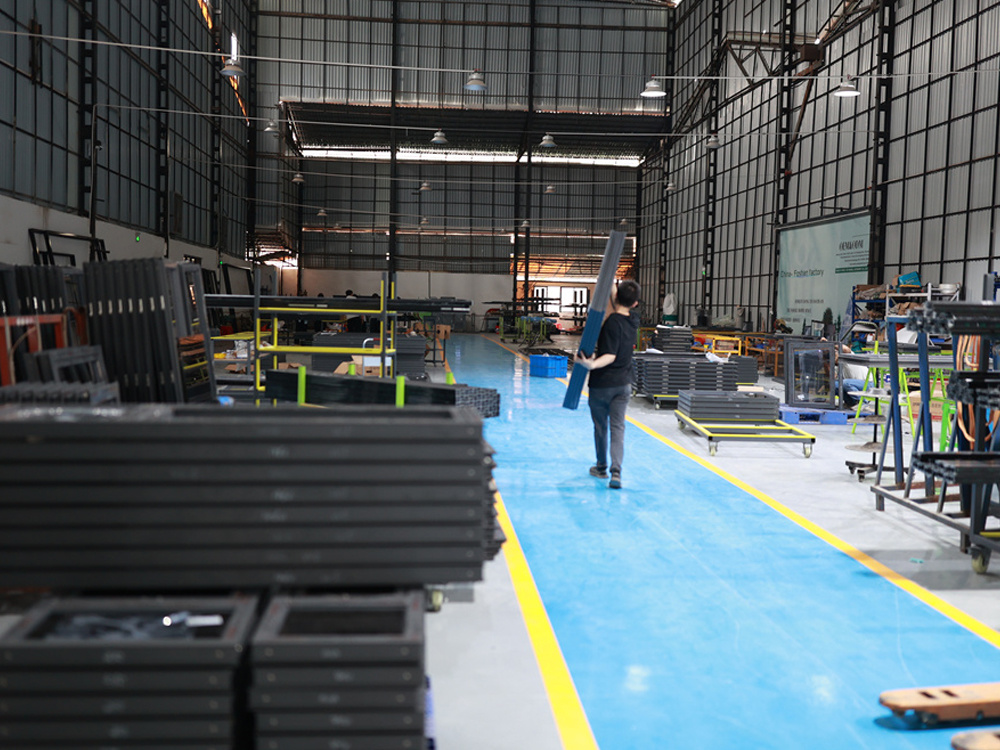
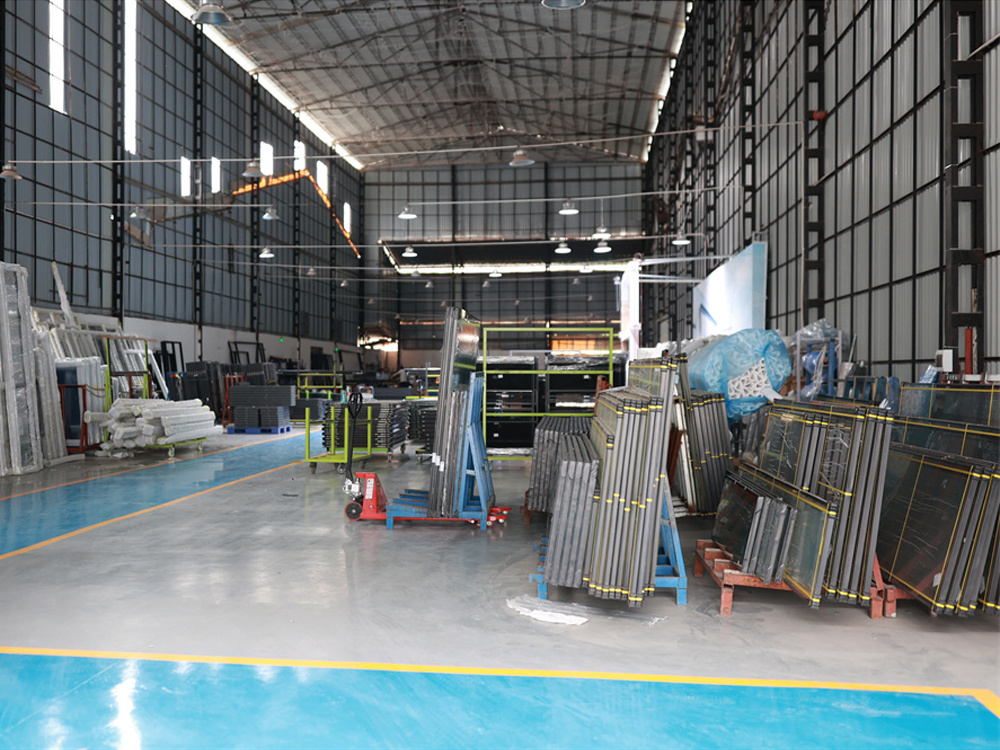
Changsha Wincraft Aluminum Window Tech Co., Ltd. stands as a premier manufacturer and global exporter of high-performance aluminium door systems, window frames, sunrooms, and architectural louver structures. Operating a state-of-the-art 20,000+ square meter intelligent manufacturing facility, we manage the complete production lifecycle—from initial architectural consultation and precision extrusion processing to automated glazing and rigorous quality inspection.
By pairing advanced European extrusion and CNC machining technology with ISO 9001 quality management standards, we ensure that every louver door and window package meets exact structural tolerances and aesthetic criteria. With over two decades of international export experience across 80+ countries, Wincraft provides seamless supply chain support, custom crating, and direct technical backing for B2B buyers worldwide.