Featured Fenestration Systems & Architectural Lineup
Explore our flagship OEM/ODM export range—engineered for thermal compliance, structural resilience, and architectural precision across global construction projects.
1. Engineering Overview: The Evolution of Architectural Aluminium Sash Windows
Vertical sliding sash windows represent one of the most structurally demanding fenestration typologies in modern architectural engineering. Traditionally executed in timber or unplasticized polyvinyl chloride (uPVC), classical sash windows historically presented critical failure modes including timber rot, structural deflection, frame warping, and unacceptable thermal conduction loss. The modern architectural transition toward extruded aluminium sash windows—specifically engineered with polyamide thermal break barriers—has fundamentally redefined structural durability, thermal efficiency, and overall building envelope longevity.
As a premiere China Best Aluminium Sash Windows Manufacturer & Supplier, Changsha Wincraft Aluminum Window Tech Co., Ltd. addresses the evolving semantic search intent of global procurement managers, structural engineers, and architectural firms. Modern specification mandates require window systems that combine classical vertical sliding aesthetics with cutting-edge structural physics. This white paper serves as an exhaustive procurement guide detailing thermal break alloy dynamics, double and triple-glazed unit (IGU) integration, precision hardware mechanics, and supply chain logistics for B2B stakeholders worldwide.
Structural Integrity
Engineered with 6063-T6 architectural aluminium alloy profiles capable of withstanding extreme wind loads exceeding DP70 parameters.
Thermal Barrier Tech
Multi-chamber polyamide (PA66 GF25) insulation strips mitigate thermal bridging, achieving ultra-low U-values under NFRC testing standards.
Precision Ergonomics
High-caliber constant-force spring balance systems guarantee effortless vertical movement and dual-sash tilt-in functionality for simplified maintenance.
2. Product Recommendations & Mechanical Systems Breakdown
Selecting the appropriate vertical sash configuration demands careful evaluation of climate zones, wind pressure classes, and acoustic attenuation requirements.
| Specification Parameter | Standard Commercial Sash | High-Performance Thermal Sash | Hurricane Impact & Acoustic Sash |
|---|---|---|---|
| Profile Alloy & Temper | 6063-T5 Extruded Aluminium | 6063-T6 High-Tensile Aluminium | 6061-T6 Heavy Structural Alloy |
| Thermal Insulation Strip | 14.8mm PA66 Polyamide | 24mm - 34mm PA66 GF25 | Multi-Chamber Thermal Insulation |
| Overall Thermal U-Factor | 2.2 - 2.8 W/m²K | 1.0 - 1.4 W/m²K (Low-E Argon) | 1.2 - 1.6 W/m²K |
| Glass Configuration | 5mm + 12A + 5mm Double Glazed | 6mm Low-E + 16Ar + 6mm Triple/VIG | 6mm + 1.52PVB + 6mm Laminated IGU |
| Water Penetration Resistance | 350 Pa (ASTM E331) | 600 Pa (BS EN 12208) | 720 Pa / 15 PSF High-Pressure |
| Air Infiltration Rate | < 0.2 cfm/ft² | < 0.05 cfm/ft² (ASTM E283) | < 0.08 cfm/ft² |
| Hardware Balance Mechanism | Standard Torsion Balance | Caldwell Constant Force Spring | Heavy-Duty Block & Tackle System |
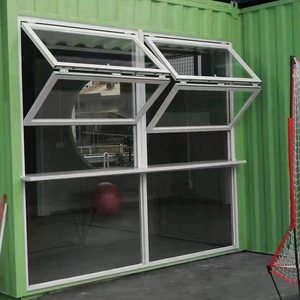
Thermal Break Double-Hung Sash Systems
Designed primarily for multi-family residential complexes and luxury villas across North America and Northern Europe. Both top and bottom sashes slide vertically and tilt inward at 90 degrees. This permits effortless exterior glass cleaning from within the room while providing dual-vector stack ventilation—drawing cool air through the bottom aperture while releasing warm air through the top opening.
Inquire NowMotorized & Commercial Vertical Slider Systems
Optimized for modern commercial façades, high-end hospitality venues, and restaurant counter openings. Integrating micro-stepper electric motors with smart building automation (BMS), these automated sash systems offer whisper-quiet vertical operation, rain-sensor automated closure, and finger-pinch safety detection systems.
Inquire Now3. Global Procurement Trends in Aluminium Fenestration (2026–2030)
The global architectural fenestration sector is undergoing a massive structural shift driven by decarbonization mandates, evolving building energy codes, and digital supply chain integration. Commercial buyers, distributors, and real estate developers must align their procurement strategies with four key macro trends:
A. Decarbonization & Low-Carbon Extrusions
Environmental Product Declarations (EPDs) are becoming compulsory across European and North American construction markets. Leading Chinese manufacturers are transitioning to hydro-powered primary aluminium smelting and incorporating post-industrial recycled scrap (min. 30-50% recycled content), drastically lowering the embodied carbon footprint per square meter of window frame.
B. Vacuum Insulated Glass (VIG) Integration
While triple-pane insulated glass units (IGUs) increase sash weight significantly—stressing vertical spring balances—the emergence of Vacuum Insulated Glass (VIG) provides triple-glazing thermal metrics (U-values below 0.6 W/m²K) in a profile thickness of under 10mm. Future aluminium sash extrusions are specifically designed with narrower rebate depths to accommodate light-weight VIG panels.
C. Smart Micro-Ventilation & Sensor Integration
Modern building envelope regulations require continuous indoor air quality (IAQ) exchange without sacrificing acoustic insulation. Next-generation sash profiles feature concealed trickle ventilators with acoustic baffles, embedded magnetic security contacts, and weather-station synced automatic drive actuators.
D. Complete Prefabricated Unitized Systems
On-site labor costs in developed nations continue to escalate. Developers increasingly demand "plug-and-play" fenestration assemblies—pre-glazed, factory-sealed, and shipped with pre-punched mounting flanges, continuous perimeter sub-frames, and integrated insect screen cassettes to minimize job-site installation hours.
4. Advanced Metallurgy, Surface Finishing & Hardware Innovation
A deep dive into the physical metallurgy and chemical processing that guarantees a 30+ year operational lifespan in hostile marine and industrial environments.
1. 6063-T6 Extrusion Metallurgy
Aluminium extrusions must maintain an optimal ratio of Magnesium (0.45–0.9%) and Silicon (0.2–0.6%) to achieve superior tensile strength (min. 205 MPa) and yield strength (min. 170 MPa). The T6 heat treatment (solution heat treated and artificially aged) ensures frame rigidity against heavy wind forces without brittle fracturing under thermal shock.
2. PVDF Fluorocarbon vs Powder Coating
For coastal applications subject to severe salt spray (ASTM B117 exposure), standard powder coating can undergo blistering. We utilize 70% Kynar 500 PVDF (Polyvinylidene Fluoride) liquid coatings applied in 3-coat/3-bake processes, ensuring chalking and color-retention compliance under AAMA 2605 specifications for over 25 years.
3. Continuous EPDM Sealing Matrix
Traditional sash windows suffer air leakage around sliding tracks. Advanced aluminium sash engineering incorporates co-extruded EPDM (Ethylene Propylene Diene Monomer) gasket seals integrated with high-density silicone-treated mohair weather-stripping. This dual-barrier matrix prevents water ingress during torrential monsoon downpours.
5. Enterprise Advantage: Why Partner with Changsha Wincraft Tech
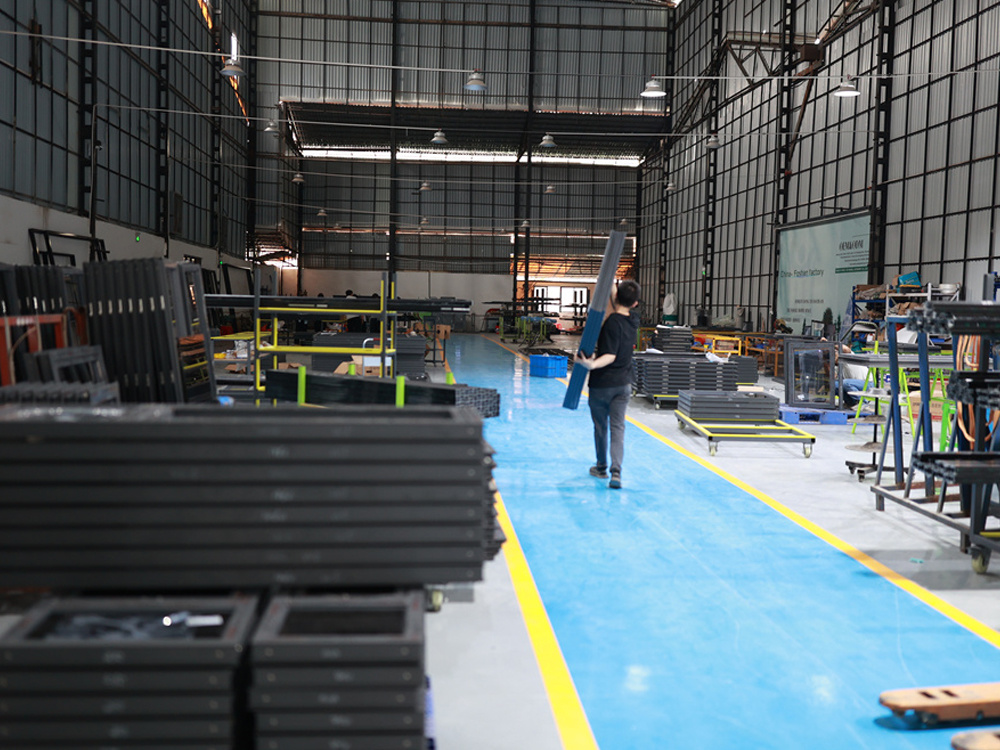
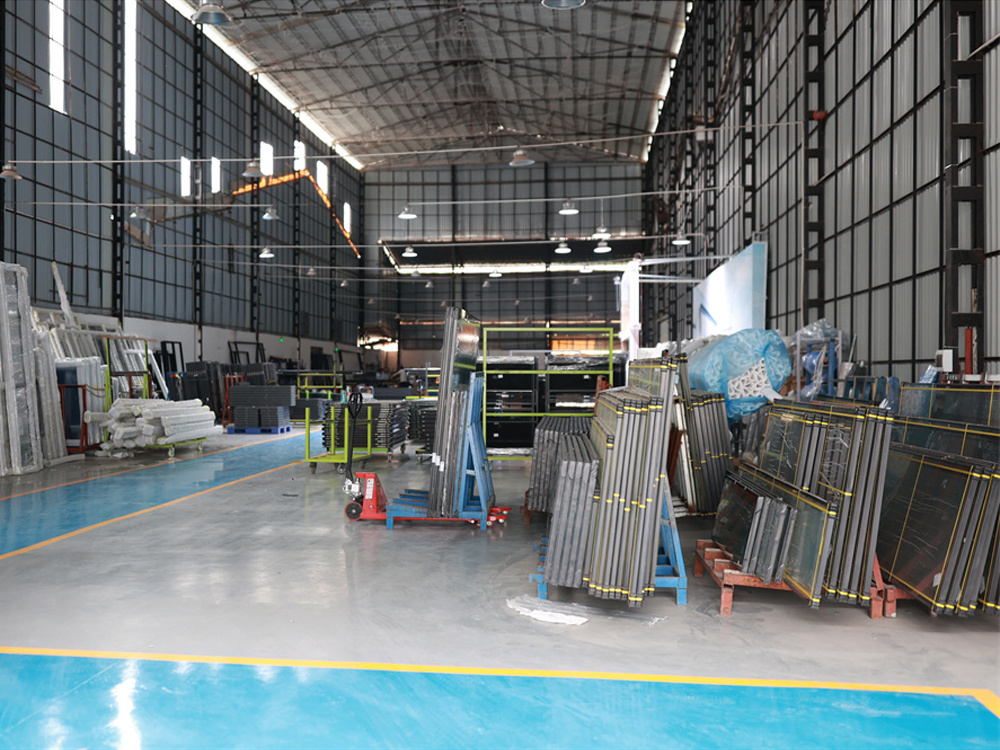
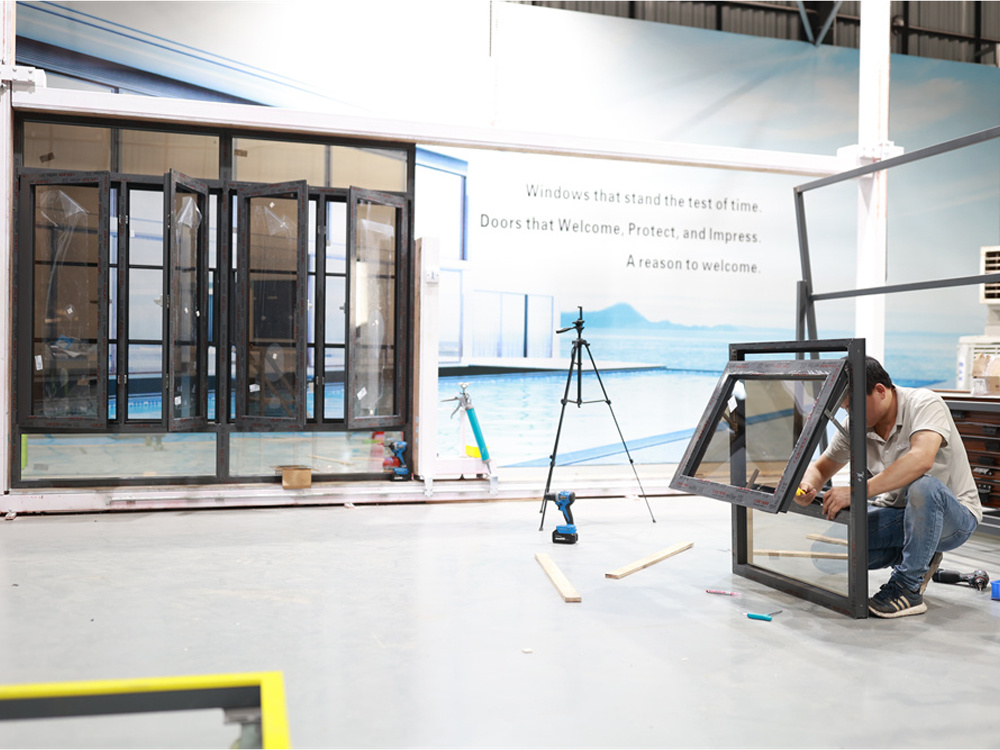
Changsha Wincraft Aluminum Window Tech Co., Ltd. stands as a premier modern building materials manufacturer combining elite design engineering, automated extrusion processing, precision assembly, and international B2B export logistics under one unified entity.
- 20,000㎡ Intelligent Manufacturing Plant: Equipped with 4-axis CNC machining centers, automated corner-crimping robotics, and double-head precision miter saws.
- Rapid 24-Hour Technical Drawings: Our in-house engineering team provides complete CAD shop drawings, BIM models, and 3D structural renderings within one business day.
- Streamlined 4-Week Production Cycle: Standard customized B2B orders transition from drawing approval to finished container loading within 28 days.
- Global Compliance & Certification: Systems tested and engineered to meet AS2047 (Australia), CE (Europe), NFRC / AAMA (USA), and BS EN standards.

6. Frequently Asked Procurement & Engineering Questions (FAQ)
Direct technical answers to common questions raised by architects, general contractors, and fenestration importers.
Do you accept OEM and ODM orders for custom aluminium sash windows?
Yes, Changsha Wincraft specializes in complete OEM/ODM manufacturing. We develop custom die extrusions, specialized thermal break profiles, custom powder-coated colors (RAL spectrum), private-label packaging, and unique hardware integrations tailored to your local market building codes.
What is your standard production lead time for bulk B2B container shipments?
Standard customized orders are typically produced and packaged within 4 weeks (28 calendar days) following CAD shop drawing approval and deposit receipt. For large-scale commercial development projects, we schedule staggered container shipments according to your job-site installation schedule.
Can your engineering team provide structural calculations and shop drawings prior to production?
Absolutely. Our structural engineers utilize specialized fenestration design software to deliver 2D shop drawings, 3D renderings, and structural wind-load calculation reports within 24 hours of receiving your architectural elevation plans.
How do you package and protect large glass fenestration units for sea freight export?
All units undergo a multi-layer protective packaging sequence: non-scratch protective film on profiles, corner plastic guards, shock-absorbing EPE foam wrapping, and fully enclosed IPPC-certified fumigated plywood crates. Crates are banded with steel strapping and vacuum-sealed to prevent moisture oxidation during long ocean voyages.
What thermal performance standards and certifications do your windows satisfy?
Our thermal break sash series can be configured to meet NFRC (USA), AS2047/AS1288 (Australia), and CE EN14351-1 (Europe) performance criteria. Depending on profile depth and IGU build-up (Low-E, Argon fill, Warm-edge spacers), overall window U-factors range from 1.0 to 1.6 W/m²K.
What balance systems do you use for heavy-duty vertical sliding sashes?
We incorporate world-class balance mechanisms including Caldwell constant-force spring balances, Truth hardware systems, and heavy-duty block-and-tackle balances calibrated precisely to the exact weight of each glazed sash panel, tested to over 20,000 continuous cycle operations.
What is the Minimum Order Quantity (MOQ) for custom profile extrusion orders?
For standard architectural profiles in factory-stock colors (e.g., Matt Black, Traffic White, Anthracite Grey), our MOQ is flexible starting from a single villa package. For custom die extrusions, the die creation fee is waived when order volume exceeds 5 metric tons of aluminium profile.
How do your sash windows resist severe storm conditions and salt-spray corrosion?
We utilize 6063-T6 alloy profiles finished with AAMA 2605 compliant PVDF fluorocarbon coatings, paired with 304 or 316 marine-grade stainless steel hardware fasteners and reinforced corner joint crimping injected with dual-component polyurethane adhesive (Cosmofen).
Ready to Elevate Your Building Envelope Performance?
Connect directly with Changsha Wincraft’s architectural engineering team. Submit your project drawings or specification schedule today for a comprehensive cost estimate, CAD proposal, and factory-direct pricing within 24 hours.
Inquire Now