High-Performance Aluminum Doors & Windows Portfolio
Factory-direct fenestration solutions engineered for extreme weather resistance, energy conservation, and structural durability.
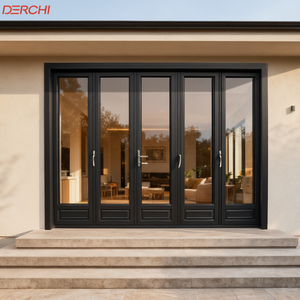
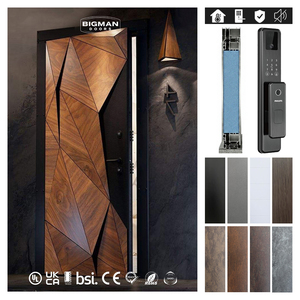
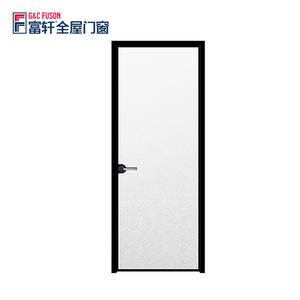
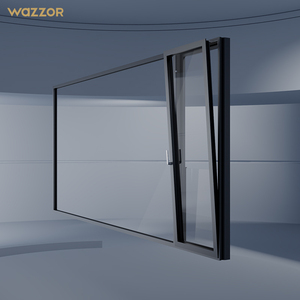
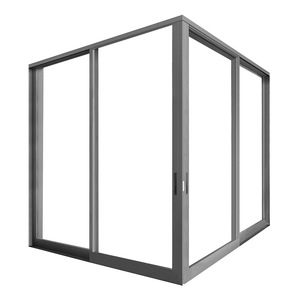
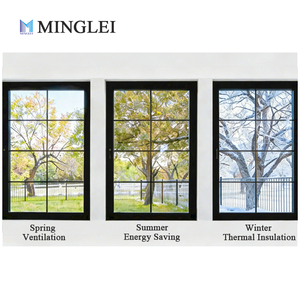
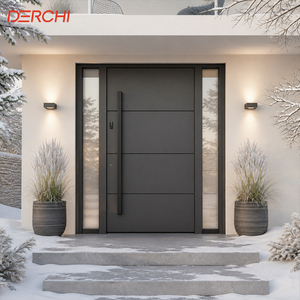
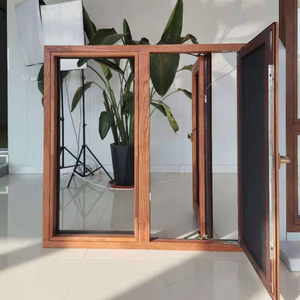
Engineering Whitepaper: Premium Aluminum Casement Windows Manufacturing in China
In contemporary architectural design, the demand for high-performance fenestration has evolved from basic weather protection to complex structural and thermal engineering. As global building codes tighten around energy efficiency, sound insulation, and structural wind resistance, selecting a trusted China best aluminum casement windows factory & supplier is a pivotal strategic decision for real estate developers, general contractors, and commercial importers.
This comprehensive technical guide breaks down the physical properties, profile engineering, glass technology, and international compliance criteria required when sourcing high-tier aluminum casement windows. Backed by state-of-the-art manufacturing infrastructure at Changsha Wincraft Aluminum Window Tech Co., Ltd., China has established itself as the global epicenter for precision-engineered, cost-efficient fenestration systems.
Polyamide Thermal Barriers
Utilizing imported Technoform PA66-GF25 reinforced thermal break strips to eliminate thermal bridging, achieving ultra-low frame U-values down to 1.1 W/m²K.
Acoustic Sound Damping
Multi-layer insulated glass units (IGU) featuring PVB acoustic interlayers reduce urban ambient noise by up to 45 dB, meeting stringent STC ratings.
Typhoon & Wind Pressure Resistance
Extruded 6063-T6 architectural grade aluminum profiles engineered to withstand wind pressure load requirements exceeding 5000 Pa (Design Pressure up to DP90).
Structural Profile Science: Alloy 6063-T6 & Polymer Insulation
The integrity of an aluminum casement window relies heavily on its alloy composition and cross-sectional geometry. Standard residential windows often fail due to structural deflection under high wind loads or accelerated frame oxidation in coastal environments. Professional Chinese manufacturers like Wincraft utilize primary ingot grade 6063-T6 aluminum alloy, delivering a minimum tensile strength of 205 MPa and yield strength of 170 MPa.
To solve the high thermal conductivity inherent to metals (aluminum has a thermal conductivity of ~200 W/m·K), modern high-end casement systems integrate dual-chamber thermal break bridges. By embedding PA66-GF25 (Polyamide 66 reinforced with 25% glass fiber), thermal conductivity across the profile is reduced to less than 0.3 W/m·K. This drastically reduces interior heating/cooling loss, preventing condensation build-up in high-humidity zones.
Advanced Glazing Physics: Solar Control & Insulation
Over 75% of a casement window's surface area consists of glass. Therefore, the specification of the Insulating Glass Unit (IGU) dictates the overall energy performance of the building envelope. Premium Chinese casement suppliers offer customizable double and triple-pane configurations tailored to regional solar conditions:
| Glazing Build-Up Type | U-Value (W/m²K) | SHGC (Solar Heat Gain) | STC (Acoustic Rating) | Primary Application Zone |
|---|---|---|---|---|
| Double Glazed Low-E + Argon (6mm Low-E + 12Ar + 6mm Clear) |
1.4 - 1.6 | 0.35 - 0.45 | 34 - 36 dB | Moderate Climates / Standard Residential |
| Triple Glazed Dual Low-E (5mm Low-E + 12Ar + 5mm + 12Ar + 5mm) |
0.8 - 1.1 | 0.25 - 0.32 | 38 - 41 dB | Cold & Arctic Northern Regimes / Passive House |
| Laminated Acoustic IGU (6mm Low-E + 12Ar + 6.38mm PVB) |
1.3 - 1.5 | 0.30 - 0.38 | 42 - 45 dB | Urban Highways, Airport Zones, Noise Sensitive |
| Impact Hurricane Glazing (6mm Temp + 1.52mm SGP + 6mm Temp) |
1.7 - 1.9 | 0.38 - 0.42 | 40 - 43 dB | Coastal Cyclone & Typhoon Regions (ASTM E1996) |
Future Procurement Trends in Architectural Fenestration (2025–2030)
As the global building sector transitions toward carbon neutrality and zero-energy architecture, fenestration procurement is undergoing a paradigm shift. B2B buyers must align with factories capable of fulfilling next-generation performance metrics:
1. Ultra-Slim Sightlines & Concealed Hardware
Modern architecture demands maximum natural daylight. Frame profiles are shifting toward narrow-edge designs (sightlines under 50mm) integrated with concealed heavy-duty 3D hinges (capable of supporting sash weights up to 180kg).
2. Multi-Point German-Engineered Hardware
Security and airtightness are prioritized through multi-point locking systems (Sobinco, Siegenia, Roto, or Hoppe). Surrounding locking pins compress EPDM rubber gaskets continuously around the sash perimeter to eliminate air leakage.
3. Sustainable PVDF & Powder Coating Finishes
To resist harsh salt spray and atmospheric UV degradation, top-tier factories utilize Qualicoat Class 2 standard powder coatings and PVDF (Fluorocarbon) finishes, backed by 20+ year anti-fading warranties.
4. Smart Building & Motorized Actuators
Automated casement opening systems synced with smart home automation (BMS) for natural night cooling, rain sensor automatic closing, and integrated motorized insect screens.
Why Partner with Changsha Wincraft Aluminum Window Tech Co., Ltd.?
Selecting a supplier from China requires evaluating factory scale, technical competence, and quality assurance protocols. Changsha Wincraft Aluminum Window Tech Co., Ltd. stands out as a preeminent manufacturer and direct exporter serving over 80 countries.
Full OEM/ODM Customization
From custom profile extrusions to private labeling, color-matching (RAL spectrum), and custom glass specs, we tailor systems to your target market.
24-Hour Design Renderings
Our dedicated engineering department generates precise 2D shop drawings, 3D renderings, and structural wind-load analysis within 24 hours.
4-Week Production Lead Time
Automated double-head CNC profile cutting, automated corner crimping, and integrated glazing lines ensure swift ~4-week lead times.
Rigorous 6-Stage Quality Assurance Workflow
To guarantee zero-defect shipments across international borders, Wincraft enforces strict quality inspection standards from raw material arrival to container loading:
Step 1: Aluminum Profile Spectrometer Check
Verification of alloy chemical composition and wall thickness tolerances via ultrasonic digital calipers (GB 5237 standard).
Step 2: Corner Crimping & Polyurethane Seal Integrity
Corner joints are injected with two-component adhesive to guarantee 100% mechanical strength and water tightness.
Step 3: Hardware Endurance & Cycle Testing
Random sampling of hinges and lock gear mechanisms subjected to 25,000+ cycle open/close endurance tests.
Step 4: Air & Water Permeability Chamber Testing
Dynamic water spray and air pressure tests up to 600 Pa to verify zero water ingress along sash EPDM gaskets.
Step 5: Export Protection Packaging
Triple-layer packing: Protective film wrap + EPE foam corner guards + fully enclosed fumigated plywood crates.
Step 6: Container Loading & Logistics Supervision
Supervised container packing with air-bag stabilization to prevent shifting during ocean transportation.
Frequently Asked Questions (FAQ) for Global Importers
Key answers to common technical, logistics, and commercial questions raised by international buyers when sourcing aluminum casement windows from China.
Ready to Source High-Performance Aluminum Windows Direct from China?
Consult with our structural engineering specialists today. Get instant technical support, competitive factory pricing, and CAD/BIM drawing assistance for your project.
Send an Inquiry