Top-Rated Aluminum & Glass Architectural Door & Window Systems
Engineered for extreme thermal resistance, structural integrity, modern minimalist aesthetics, and global compliance.
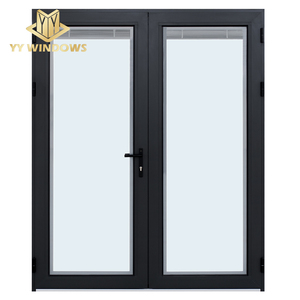
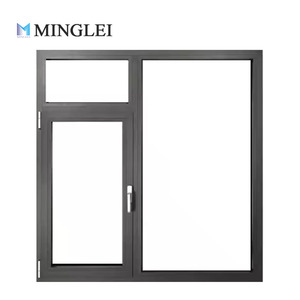
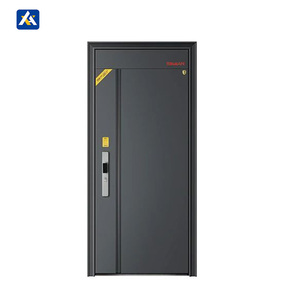
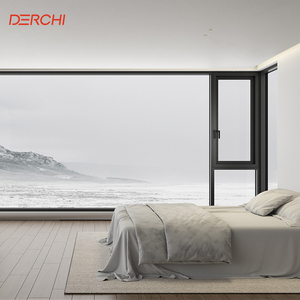
Architectural Fenestration Engineering: Sourcing China's Premier Aluminum Glass Doors
An authoritative technical whitepaper for global commercial buyers, architects, and real estate developers.
The global demand for high-performance architectural fenestration has elevated aluminum-framed glass doors from simple building dividers to complex structural energy-management systems. In modern sustainable construction, the building envelope accounts for up to 40% of overall HVAC energy transfer. Sourcing certified aluminum glass door systems from leading Chinese original equipment manufacturers (OEMs) and exporters provides global procurement executives with an unmatched intersection of metallurgical precision, thermal performance customization, and economies of scale.
1. Advanced Metallurgy and Extrusion Alloy Classifications
High-grade aluminum glass doors rely heavily on raw material structural integrity. Premier Chinese manufacturers utilize prime primary aluminum ingots (A00 grade, >99.7% purity) extruded into 6063-T5 and 6063-T6 architectural aluminum alloys. The structural wall thickness typically ranges from 1.4mm for residential interior casements up to 3.0mm+ for heavy-duty commercial sliding and hurricane-rated pivot doors.
Technical Insight: 6063-T6 aluminum undergoes artificial aging to achieve superior ultimate tensile strength (minimum 205 MPa) and yield strength (minimum 170 MPa), making it essential for high-rise curtain walls, oversized bi-fold doors, and wind-load intensive coastal villa installations.
2. Thermal Break Engineering: Polyamide Strip Insulation vs. Direct Aluminum
Because aluminum possesses a high thermal conductivity ($k \approx 200 \text{ W/m}\cdot\text{K}$), uninsulated aluminum frames create severe thermal bridges. Modern Chinese exporters incorporate advanced Polyamide PA66 GF25 (25% Glass Fiber Reinforced) thermal barrier strips that reduce frame thermal conductivity to under $2.2 \text{ W/m}^2\cdot\text{K}$. Multi-chamber profile designs integrated with EPDM (Ethylene Propylene Diene Monomer) continuous weatherstripping gaskets achieve overall door U-factors lower than $1.2 \text{ W/m}^2\cdot\text{K}$ (compatible with European Passive House requirements and North American NFRC benchmarks).
| Performance Standard | Standard Non-Thermal Aluminum | Advanced PA66 Thermal Break System | Impact / Passive House Grade |
|---|---|---|---|
| Frame U-Factor ($\text{W/m}^2\cdot\text{K}$) | 5.5 – 7.0 | 1.6 – 2.2 | 0.8 – 1.2 |
| Acoustic Rating (STC / Rw) | 22 – 26 dB | 35 – 42 dB | 45+ dB (Laminated Glass) |
| Wind Pressure Resistance | 1.5 – 2.5 kPa | 3.5 – 4.5 kPa | > 5.0 kPa (ASTM E330 Peak) |
| Surface Coating Longevity | 5–8 Years (Standard Powder) | 15–20 Years (AAMA 2604) | 25+ Years (Fluorocarbon PVDF AAMA 2605) |
3. Surface Treatment Metallurgy: PVDF, Anodizing & Electrophoresis
To resist aggressive environments such as coastal salt spray, high UV exposure, and chemical air pollutants, leading Chinese exporters utilize state-of-the-art chemical surface treatment lines:
- PVDF Fluorocarbon Spray Coating: Utilizing 70% Kynar 500 resin system complying with AAMA 2605 standards, guaranteeing zero chalking or cracking for over 25 years.
- Hardcoat Anodizing: An electrochemical process creating an oxide layer up to 25 microns ($\mu m$), delivering extreme scratch resistance (Mohs hardness ~8) ideal for heavy-traffic commercial storefronts.
- Electrophoretic Coating & Italian Wood-Grain Transfer: Provides rich tactile finishes with superior hydrophobic properties for high-end residential interiors.
Future Sourcing Trends in Aluminum & Glass Door Procurement
Key market shifts driving international real estate developers and building materials importers.
1. Decarbonization & Low-Carbon Aluminum
Global developers are requiring Environmental Product Declarations (EPDs). Premier Chinese manufacturers are adopting green hydro-powered aluminum extrusions and recycled billet stocks, reducing embodied carbon by up to 60% compared to coal-fired smelting.
2. Ultra-Narrow Sightlines & Concealed Frames
Architectural preference has moved firmly toward minimal interlock profiles (as narrow as 16mm-21mm). Engineering advancements allow floor-to-ceiling glass panels up to 6 meters high while maintaining strict structural deflection limits ($L/175$).
3. Smart Fenestration & Motorized Automation
Demand for IoT-enabled fenestration is surging. Future procurement specifies integrated hidden linear actuators, electrochromic smart glass (PDLC switchable glass), and biometric access control directly wired into home automation protocols.
Key Product Development Trends in Glass & Hardware Integration
Understanding the technological convergence of architectural safety glass and precision hardware engineering.
Advanced Glazing Configurations
Modern aluminum glass doors are no longer fitted with basic single tempered glass. High-performance exports standardly feature customized insulating glass units (IGUs):
- Double & Triple Insulated Low-E Glass: Coated with micro-thin silver layers that reflect long-wave infrared heat. Filled with 90%+ pure Argon gas to minimize conductive heat transfer.
- SGP Structural Laminated Glass: Utilizing SentryGlas® ionoplast interlayers, which are 5 times stiffer and up to 100 times tougher than traditional PVB films, ensuring maximum safety against forced entry and hurricane impacts.
- Acoustic PVB Lamination: Specially formulated sound-dampening interlayers engineered to attenuate low-frequency urban traffic and aircraft noise.
Hardware Engineering & Operational Durability
A door system is only as durable as its hardware mechanism. Premier Chinese exporters collaborate with top-tier hardware suppliers (e.g., German Siegenia, Hoppe, Roto, GU, and heavy-duty proprietary precision hardware) to ensure smooth operation over 100,000+ opening/closing cycles. Key hardware enhancements include stainless steel 304/316 multi-point locking gear, heavy-duty tandem rollers capable of supporting 400kg panels, and concealed 3D-adjustable hinges.
Enterprise Capability: Changsha Wincraft Aluminum Window Tech Co., Ltd.
A vertically integrated manufacturer powering global architectural projects with custom fenestration solutions.
Changsha Wincraft Aluminum Window Tech Co., Ltd. stands at the forefront of China's high-end aluminum fenestration manufacturing sector. Functioning as an integrated enterprise combining structural design, extrusion fabrication, assembly, quality control, and export service, Wincraft delivers complete architectural solutions tailored to international building codes.
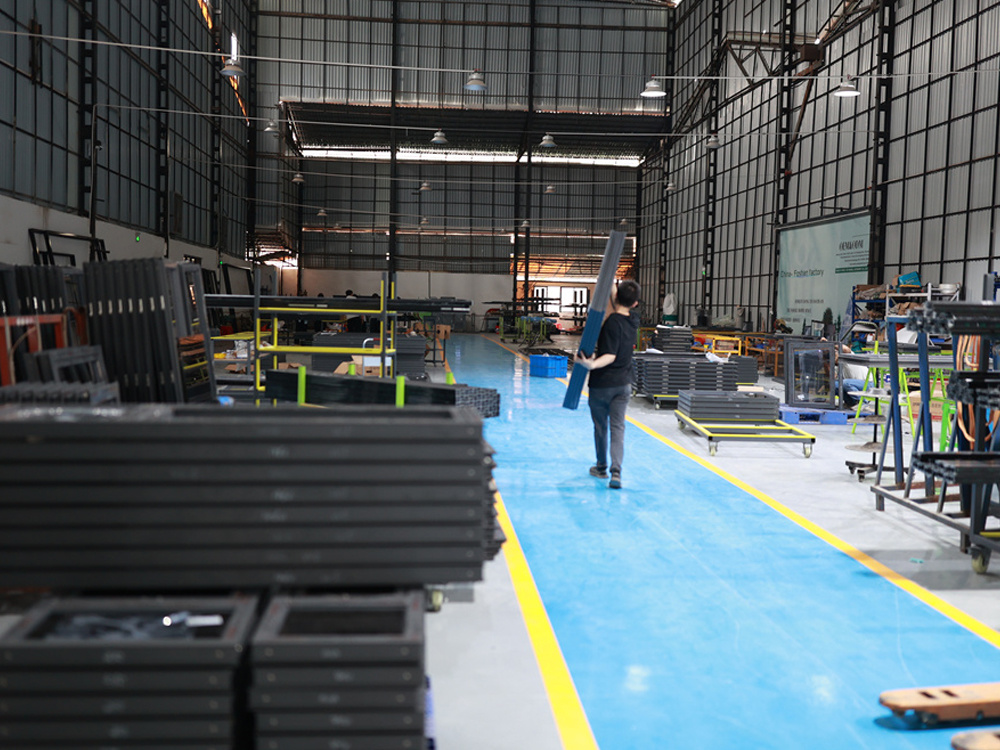
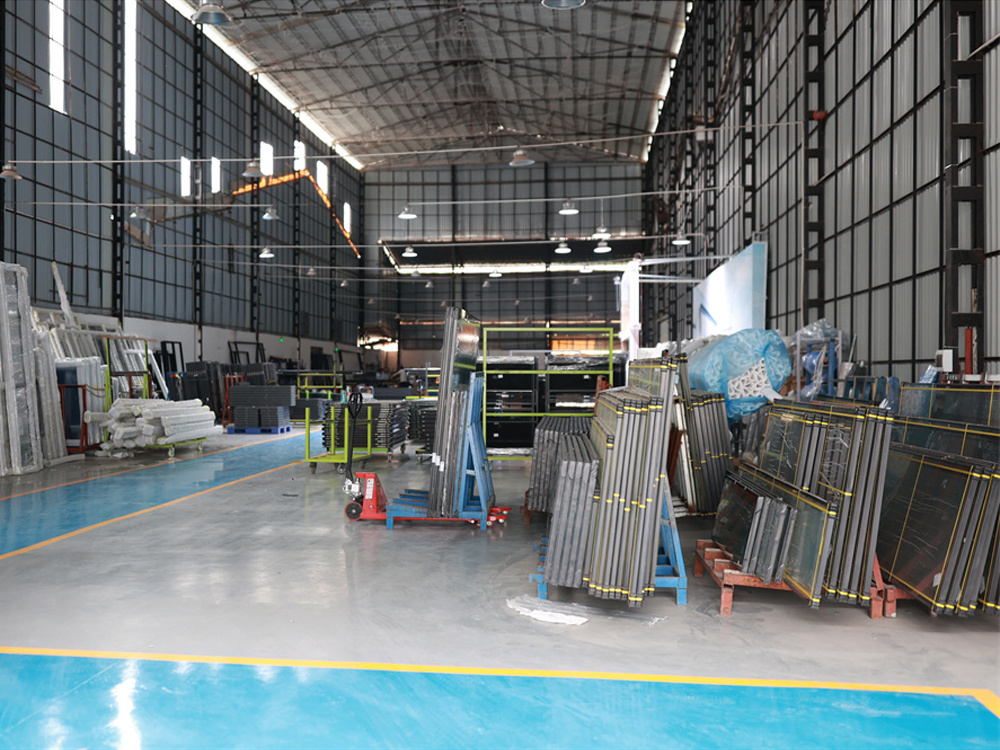
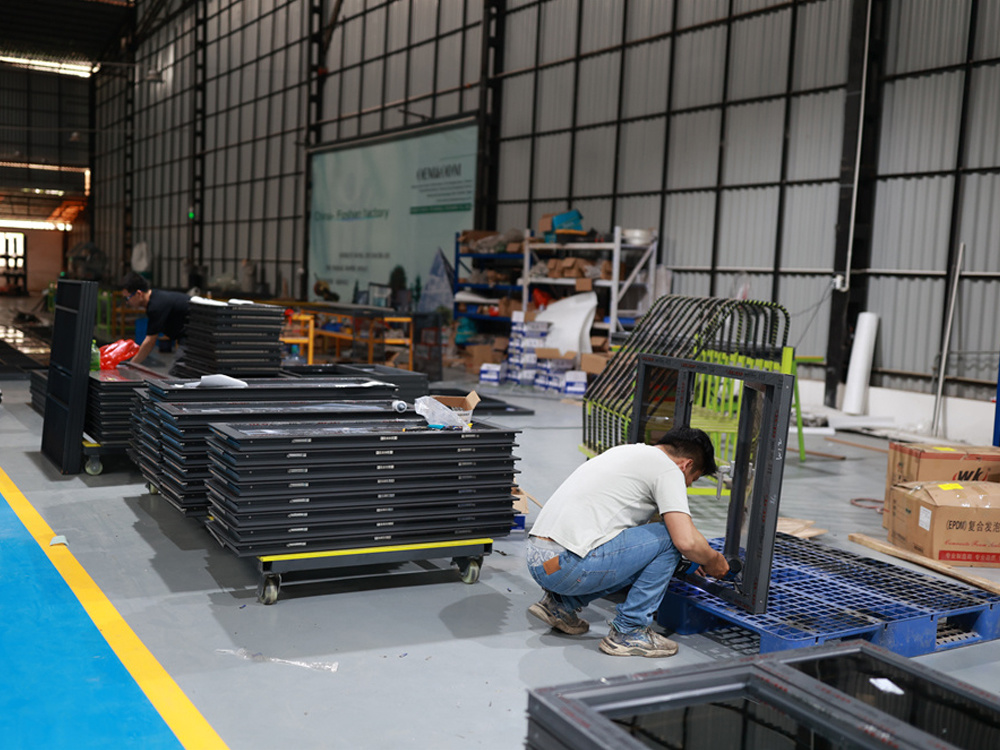
Operating out of a modern production base equipped with automated CNC double-head cutting saws, corner-crimping robotics, and precision milling centers, Wincraft ensures zero-tolerance manufacturing accuracy. From commercial high-rises to luxury residential villas, sunrooms, and garden pavilions, every door and window system undergoes rigorous pressure, water-tightness, and dimensional audit prior to container loading.
Factory & Production Workshop Showcase
Take a virtual look inside Wincraft's advanced extrusion processing lines, automated glass assembly stations, and stringent quality check bays:

Frequently Asked Questions (FAQ) for Global B2B Buyers
Direct answers regarding custom OEM/ODM production, international certifications, logistics, and engineering support.
Ready to Elevate Your Next Construction Project?
Connect directly with our engineering sales specialists for instant technical consultation, custom CAD shop drawings, and competitive factory-direct wholesale pricing.
Get a Quote