Strategic Procurement of High-Performance Aluminium Bedroom Windows
In modern residential architectural design, bedroom fenestration represents one of the most technical sub-sectors of envelope engineering. Unlike living areas where visual openness predominates, bedroom window systems must deliver an optimized balance of low-frequency acoustic attenuation (STC/Rw performance), strict thermal transmittance regulation (U-factors below 1.2 W/m²K), air-tight seal durability under hurricane wind pressures, and micro-ventilation safety. As global building energy codes tighten—such as US Title 24, Australian NCC 2022, and European Passive House standards—sourcing engineered aluminium window systems from verified tier-one Chinese manufacturers has become a preferred strategy for commercial developers, contractors, and fenestration importers seeking cost efficiency without compromising technical compliance.
Top-Rated Aluminium Bedroom Window Systems for Export
Engineered for sound isolation, thermal breaks, dynamic security, and panoramic daylighting.
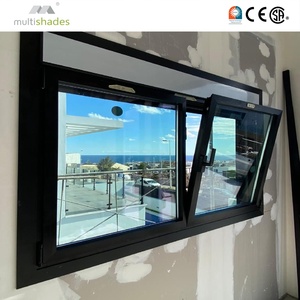
NFRC AS2047 Triple Glaze Passive House Windows
Thermal U-Factor: ≤ 0.8 W/m²K
Certification: NFRC, AS2047, CE
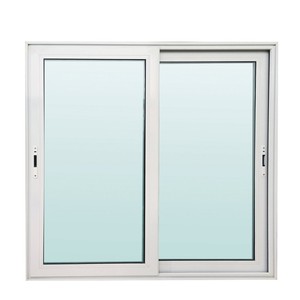
Modern Colonial Black Sliding Bedroom Windows
Profile: 6063-T5 Thermal Break
Feature: Multi-Track Security Lock
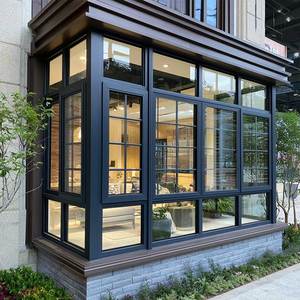
French Style Custom Bay & Casement Windows
Hardware: European Concealed Hinge
Application: Luxury Villa Master Bedrooms
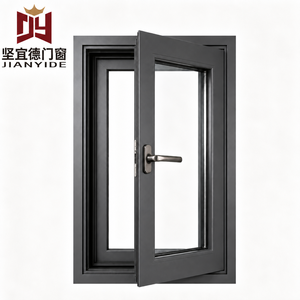
CE Certified European Tilt & Turn Bedroom Windows
Sealing: EPDM Triple Gasket Strip
Standard: EN 14351-1 Compliant
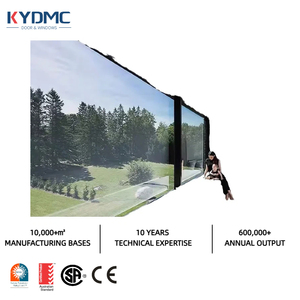
Modern Panoramic Double Glazed Casement Window
Acoustics: Soundproof Laminate Option
Project Fit: High-Rise Apartments
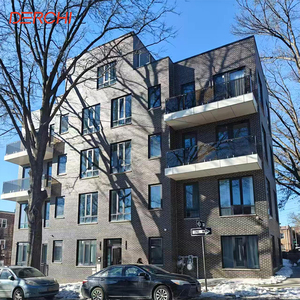
Anti-Impact Soundproof Swing Bedroom Window
Glazing: SGP Laminated Security Glass
Markets: USA, Caribbean, Coastal Zones

AS2047 Certified Heavy-Duty Sliding Window
Water Tightness: 600 Pa High-Sill Drain
Standard: AS2047 / AS1288 Verified
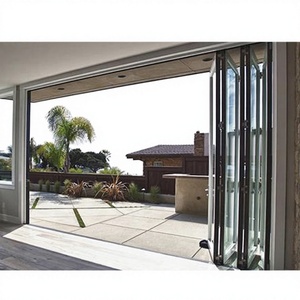
Soundproof Exterior Aluminium Folding Window System
Acoustic Rating: 38 dB Noise Cut
Application: Balcony & Master Bedroom
Comparative Matrix: Aluminium Bedroom Window Engineering Standards
A detailed technical comparison of structural alloys, glass configurations, thermal break barriers, and performance ratings for B2B buyers.
| System Architecture | Alloy & Thermal Break | Glazing Assembly | Acoustic Performance (STC/Rw) | Thermal Transmittance (U-Value) | Primary Compliance Standard |
|---|---|---|---|---|---|
| Passive House Tilt-and-Turn | 6063-T6 / 34mm PA66-GF25 | 5mm Low-E + 12A + 5mm + 12A + 5mm Triple Glazed | STC 44-48 dB | 0.79 - 1.1 W/m²K | European Passive House / CE EN 14351 |
| Acoustic Master Bedroom Casement | 6063-T5 / 24mm PA66-GF25 | 6mm Soft-Coat Low-E + 1.14PVB + 6mm Float + 14Argon | STC 40-45 dB | 1.2 - 1.4 W/m²K | NFRC / CSA A440 |
| Hurricane Impact Sliding Window | Reinforced 6063-T6 Frame | 6mm Tempered + 1.52SGP Sentriglas + 6mm Tempered | STC 36-39 dB | 1.6 - 1.9 W/m²K | ASTM E1886 / Florida Building Code |
| Slim-Frame Panoramic Sliding Window | Ultra-Slim Thermal Extrusion | 6mm Low-E + 16Argon + 6mm Tempered Double Glazed | STC 34-37 dB | 1.3 - 1.6 W/m²K | AS2047 / AS1288 (Australia) |
Future Sourcing & Procurement Trends in China Fenestration
Key technological shift vectors driving international developer purchasing decisions over the next decade.
Low-Carbon & EPD Environmental Certifications
International tenders increasingly require Environmental Product Declarations (EPD) and low-carbon primary aluminium billets (processed using hydroelectric power in Yunnan and Sichuan). Suppliers who track embodied carbon per square meter gain an immediate edge in North American and European green building bidding.
Pre-Glazed & Modular Window Wall Integration
To reduce overseas jobsite labor costs, developers are shifting from knock-down (KD) unit frames to factory pre-glazed assembled units. Complete bedroom window-wall modules are assembled, sealed, and tested inside Chinese factories, shipping in protective A-frame steel crates directly to build sites.
Smart IAQ & Micro-Ventilation Mechanisms
Sleep quality science emphasizes continuous fresh air flow without opening sashes. The integration of pressure-equalized trickle vents, acoustic baffle air intakes, and motorized smart sensor actuators linked to home automation networks is becoming standard for high-end master bedroom specifications.
Engineering Development Trends in Bedroom Fenestration
How advanced thermal breaking, acoustic science, and security hardware transform bedroom living standards.
1. Acoustic Attenuation Science for Restful Sleep
Urban ambient sound levels routinely exceed 65 dB(A) along arterial roads. For deep sleep architecture, bedroom interior sound pressure levels should not exceed 30 dB(A). Standard double-pane glass (e.g., 4mm + 12A + 4mm) fails to isolate low-frequency traffic rumble (100–300 Hz) due to mass-air-mass resonance.
Leading Chinese exporters achieve STC ratings up to 45 dB by employing asymmetrical glass thicknesses (e.g., 6mm outer pane + 8mm inner pane) combined with acoustic Interlayer PVB or SGP laminates. Furthermore, multi-chamber EPDM weather-stripping profiles compress continuously along the frame periphery, eliminating sound leakage paths through drainage channels and sash corners.
Acoustic Performance Comparison
- 🔹 Single Pane Glass (6mm): STC ~ 27 dB (High Noise Intrusion)
- 🔹 Standard IGU (5+12A+5mm): STC ~ 32 dB (Moderate Air Noise Cut)
- 🔹 Acoustic Laminated (6+1.14PVB+6+12A+6mm): STC 42-45 dB (Superior Sleep Protection)
Thermal Break Technology (PA66-GF25)
Aluminium possesses high thermal conductivity (200 W/m·K). Without a structural thermal break, window frames cause thermal bridging, interior condensation, and high HVAC energy bills. Multi-cavity Polyamide 66 reinforced with 25% Glass Fiber (PA66-GF25) reduces frame conductivity to less than 0.3 W/m·K while maintaining structural shear strength under wind load.
2. Thermal Efficiency & Condensation Control
Condensation on bedroom window sills promotes toxic mold growth (Stachybotrys chartarum) and degrades indoor air quality. By engineering multi-cavity thermal break profiles filled with polyurethane insulation foam (PU) or aerogel inserts, frame insulation performance is matched directly with triple-glazed Low-E glass units.
Advanced warm-edge composite spacers (such as Technoform or Swiss-spacer) replace traditional aluminium glass spacer bars, keeping interior pane glass edge temperatures well above dew point even when outdoor winter conditions plunge below -15°C.
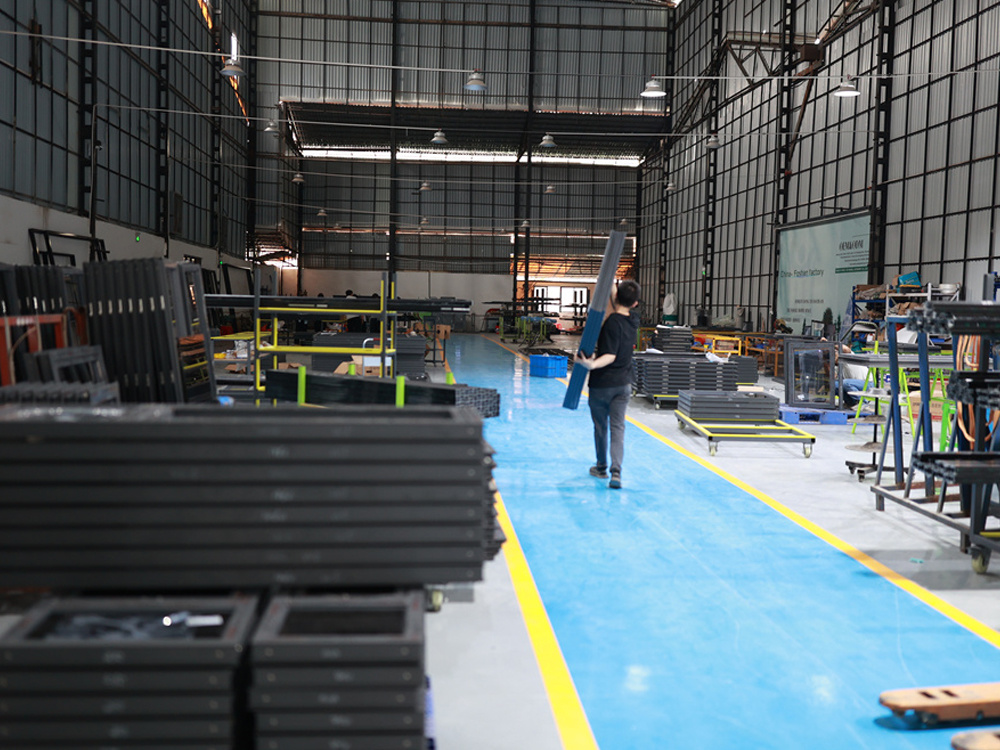
Changsha Wincraft Aluminum Window Tech Co., Ltd.
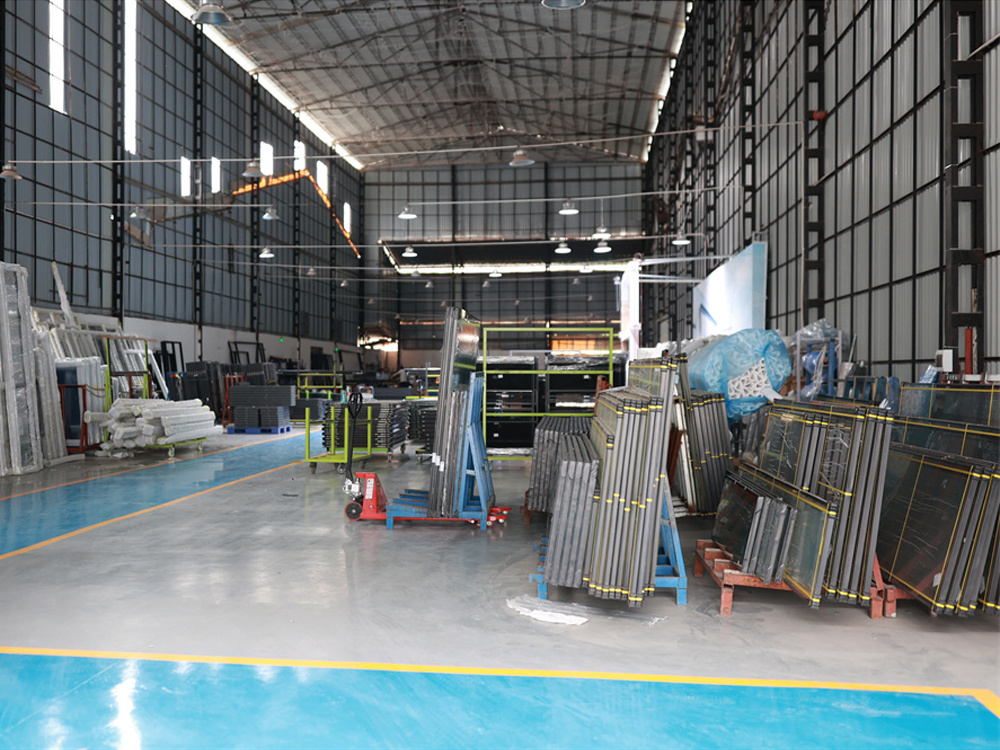
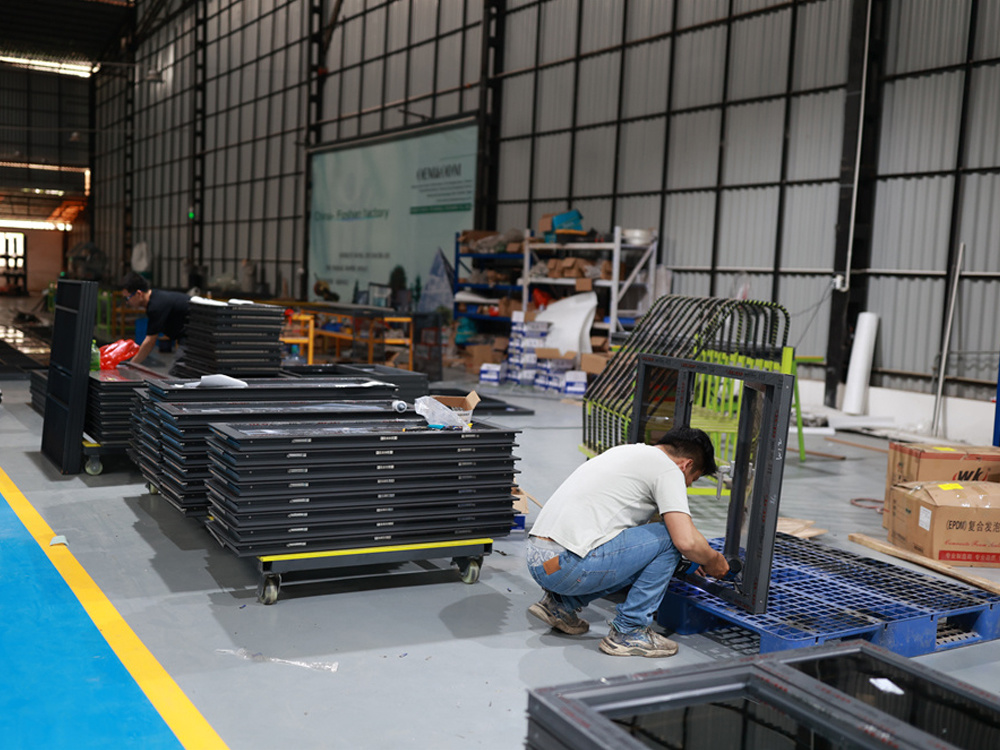
Changsha Wincraft Aluminum Window Tech Co., Ltd. stands as an integrated manufacturer and exporter delivering OEM/ODM fenestration solutions across 80+ countries. Operating a modern 20,000+ m² intelligent production plant equipped with precision German CNC machining centers, automated glass insulating lines, and rigorous quality inspection laboratories, Wincraft turns custom architectural drawings into site-ready window packages within ~4 weeks.
Our dedicated engineering office provides complete shop drawings, structural wind load calculations, and rendering proposals within 24 hours of inquiry receipt, ensuring uninterrupted alignment between project specs and factory output.

Frequently Asked Questions by B2B Importers
Clear engineering and logistics guidance for window importers, real estate contractors, and procurement heads.
Do you accept OEM and ODM orders for custom bedroom window projects?
What is the standard production lead time from order confirmation?
Can your engineering team provide shop drawings and structural calculations before production?
How are glass units and frames protected during sea freight container transport?
How do your window systems ensure compliance with local energy and building codes?
What is the difference between PA66-GF25 thermal break strips and lower-cost PVC strips?
Transform Your Next Real Estate Project with Engineered Window Solutions
Partner directly with China's leading factory team. Send us your architectural elevation drawings or tender schedules to receive complete shop drawings, technical U-value calculations, and bulk price quotes within 24 hours.
Contact Us