Featured Export-Grade Door & Window Solutions
Precision-engineered aluminum and wood-composite systems built for global compliance, rigorous climate resistance, and architectural beauty.
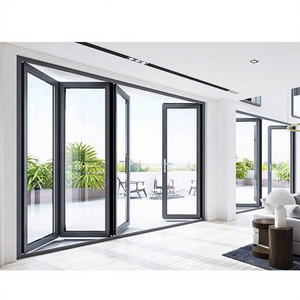
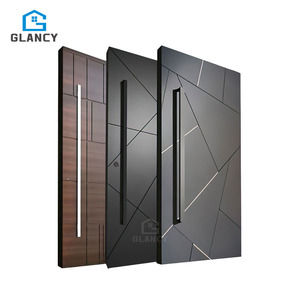
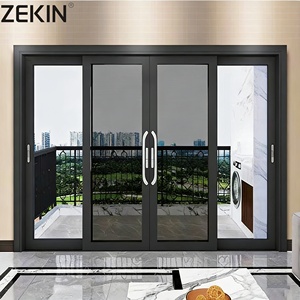
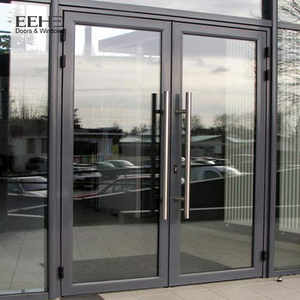
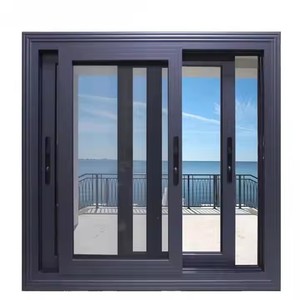
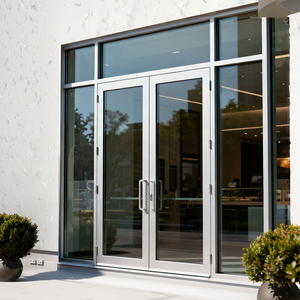
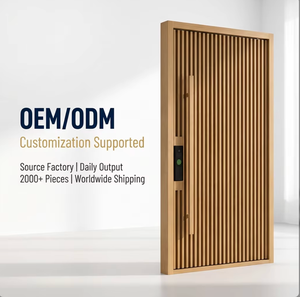
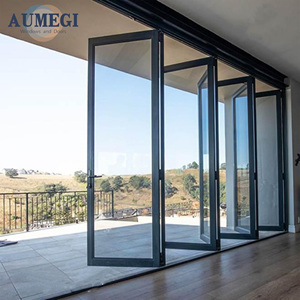
The Technical Mechanics of Aluminium Clad Windows
Why top architects and commercial developers are transitioning to wood-aluminum composite fenestration for high-end residential and commercial builds.
In modern architectural engineering, the search for the ultimate envelope system has led to the rapid rise of Aluminium Clad Wood Windows (Alu-Clad). By seamlessly integrating the extreme weather resistance and structural strength of exterior extruded aluminum with the natural thermal insulation and aesthetic warmth of interior solid timber, aluminum clad windows solve the traditional shortcomings of single-material window systems.
1. Dual-Material Structural Architecture
The foundational principle of a premier aluminium clad window lies in its decoupled dual-frame construction. The exterior frame consists of heavy-duty, high-precision 6063-T6 or T5 extruded aluminum alloy profiles with a nominal wall thickness ranging from 1.8mm to 3.0mm. This outer armor is finished with fluorocarbon (PVDF) powder coating or anodizing, capable of enduring extreme UV radiation, coastal salt-spray, and temperature swings without color degradation or corrosion.
The interior frame features premium solid timber—typically sustainably sourced North American White Pine, Siberian Larch, European Red Oak, or Teak. The wood undergoes rigorous kiln-drying to achieve a controlled moisture content of 8% to 12%, followed by multi-layer water-based environmentally friendly coating. This prevents organic swelling, shrinking, or warping over decades of use.
2. Independent Expansion Connection Mechanisms
A critical engineering detail often overlooked by low-tier manufacturers is the differential coefficient of thermal expansion between aluminum metal and solid wood. Aluminum expands and contracts at approximately double the rate of natural timber under thermal fluctuations. Directly gluing or rigidly fastening wood to aluminum inevitably leads to frame warping, seal degradation, or glass fracture.
As a leader among China top aluminium clad windows suppliers, our systems utilize specialized high-strength nylon (PA66-GF25) composite snap-connectors. These dynamic clips maintain a constant 3mm to 5mm ventilation gap between the wood and metal components, allowing each material to expand independently while promoting internal micro-ventilation to prevent moisture condensation and timber decay.
3. Thermal Barrier & Acoustic Physics
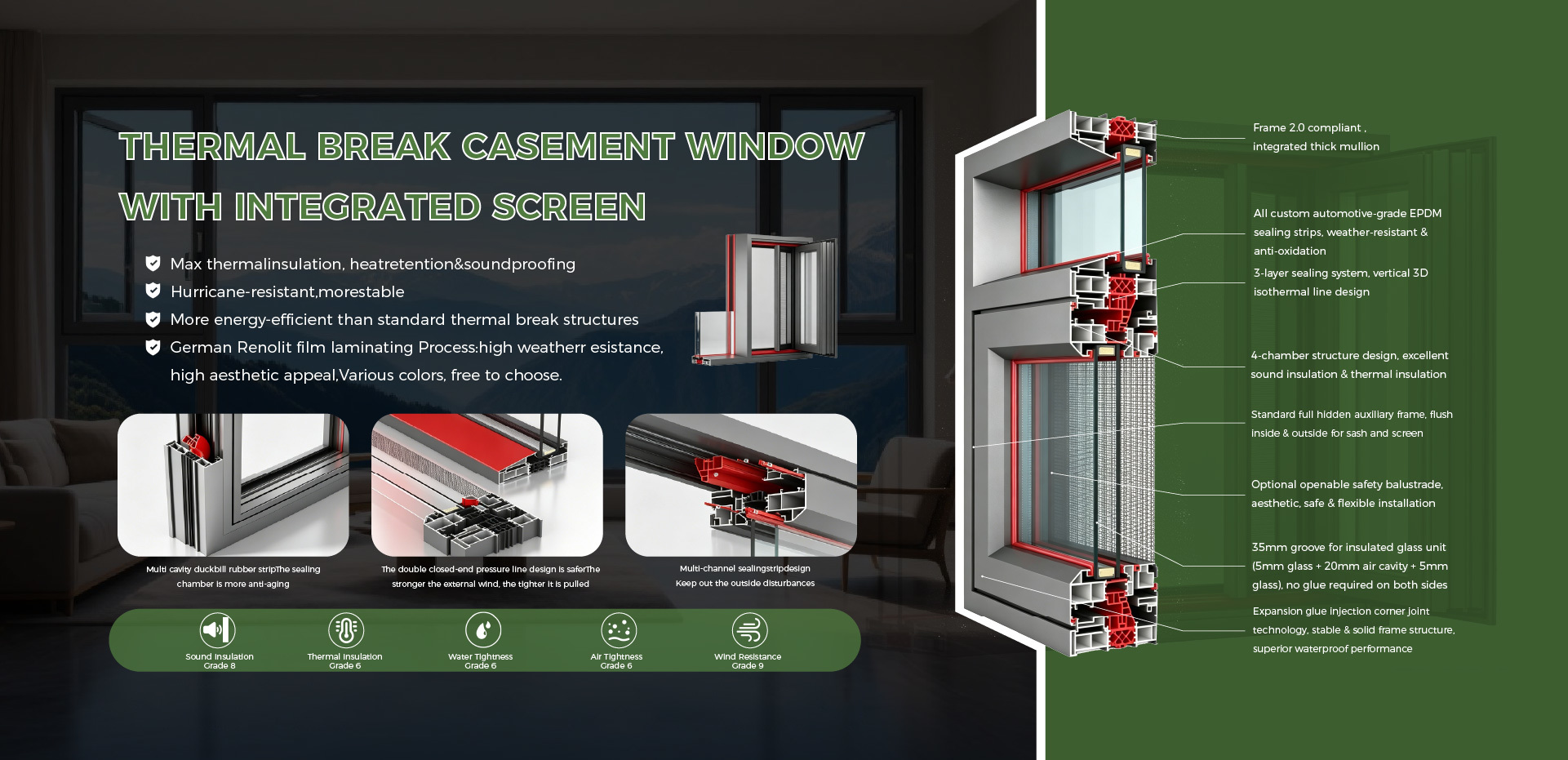
By leveraging continuous EPDM multi-cavity weatherstripping seals alongside warm-edge double or triple Insulated Glass Units (IGUs) filled with 95% Argon gas, high-spec aluminium clad windows achieve extraordinary thermal performance:
- Overall U-Factor Efficiency: Down to 0.75 – 1.1 W/m²K (U-0.13 to U-0.19 BTU/h·ft²·°F), meeting passive house energy certification standards worldwide.
- Acoustic Attenuation (STC / Rw): Sound reduction ratings exceeding 42 dB to 48 dB, eliminating high-frequency urban traffic noise and low-frequency aircraft rumble.
- Air & Water Infiltration: Multi-point locking drive gears compress triple EPDM gaskets to deliver water resistance up to 700 Pa and airtightness surpassing ASTM & AS2047 Class 4 standards.
| Performance Metric | Standard Aluminium Window | Thermal Break Aluminium | Aluminium Clad Wood Window |
|---|---|---|---|
| Thermal Transmittance (U-Value) | 2.8 – 3.5 W/m²K | 1.4 – 2.0 W/m²K | 0.75 – 1.1 W/m²K (Passive Grade) |
| Interior Aesthetic | Painted Metallic Finish | Painted / Anodized Finish | Natural Architectural Solid Timber |
| Acoustic Insulation (STC) | 28 – 32 dB | 34 – 38 dB | 42 – 48+ dB |
| Structural Lifespan | 15 – 20 Years | 25 – 30 Years | 50+ Years (Replaceable Exterior Cladding) |
| Condensation Resistance Factor (CRF) | Low (35 - 45) | Moderate (55 - 65) | Exceptional (78 - 88+) |
Future Sourcing Trends for Aluminium Clad Windows
Key shifts shaping global procurement strategy for commercial developers, contractors, and fenestration importers over the next decade.
1. Passive House & Net-Zero Carbon Imperatives
Building energy codes in North America (IECC 2024), Europe (EPBD), and Australia (NCC) are tightening U-factor limits. Importers are shifting focus away from single-cavity profiles toward ultra-insulated hybrid timber systems equipped with vacuum glazing or triple-pane Low-E coatings.
2. Extreme Weather & Hurricane Mitigation
With climate volatility causing intense storms, demand for Dade County Florida-certified HVHZ (High Velocity Hurricane Zone) impact-resistant aluminum clad glass has surged by 300%. Sourcing now prioritizes multi-ply SentryGlas (SGP) laminated interlayers.
3. Smart Home & Automation Integration
Modern villa projects require concealed motorized chain actuators, integrated magnetic sensors for security systems, and smart electrochromic (PDLC) dynamic glass that tints automatically based on solar intensity or user smartphone commands.
4. Customization & Modular Prefabrication
Construction timelines are shortening globally. Buyers demand fully unitized, factory-glazed aluminum clad window packages that clip directly into curtain walls or rough openings on site, reducing expensive local job-site labor costs by up to 60%.
5. Rigorous Multi-National Compliance Verification
Leading international buyers no longer rely on unverified factory claims. Sourcing managers demand factory-audited compliance with North American NFRC/AAMA ratings, European CE EN 14351-1 standards, and Australian AS2047 certification protocols.
Changsha Wincraft Aluminum Window Tech Co., Ltd.
As an integrated manufacturer and exporter combining research, design, production, and global delivery, Wincraft delivers custom aluminum doors, windows, sunrooms, and pavilions for importers, contractors, and architects across 80+ countries.
From initial sketch to structural calculation, 24-hour CAD/3D rendering proposals, and full container shipping, our single engineering team oversees your project to ensure complete fidelity to architectural drawings and building codes.
Frequently Asked Procurement Questions
Direct answers to crucial technical, logistical, and commercial inquiries from international buyers and real estate developers.
Do you accept OEM and ODM orders for custom aluminium clad windows and doors?
What is your standard production lead time for customized architectural orders?
Can your engineering team provide design proposals and shop drawings prior to production?
How do you ensure solid timber stability and prevent warping in varying climates?
How are delicate glass and wood-aluminum products packaged for international ocean freight?
Can your aluminum clad window systems meet building codes in North America, Europe, and Australia?
Buyer's Sourcing Checklist for Chinese Suppliers
Essential benchmarks every commercial procurement director must evaluate before placing high-volume window orders.
1. Extrusion & Alloy Grade
Verify that the supplier uses primary 6063-T5/T6 aluminum billet (rather than recycled scrap) with a minimum frame thickness of 1.4mm for windows and 2.0mm+ for heavy-duty doors.
2. Thermal Barrier Polyamides
Ensure thermal break strips are made from PA66-GF25 (Polyamide 66 reinforced with 25% fiberglass), not cheap PVC strips which melt and lose structural integrity under high heat.
3. Hardware & Gasket Integrity
Demand German-engineered hardware (Roto, Siegenia, GU) or top-tier domestic brands (HOPO) paired with continuous EPDM (Ethylene Propylene Diene Monomer) weatherstripping seals.
Ready to Engineer Your Project's Window & Door Package?
Send your architectural drawings, elevation schedules, or custom OEM specifications directly to our engineering department for a fast, free evaluation and rendering proposal.