Engineering-Grade Architectural Systems
Precision-engineered aluminum doors and windows certified for global building regulations including NFRC, ISO9001, and European CE benchmarks.
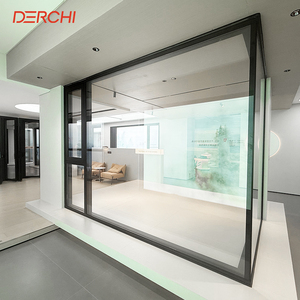
- NFRC Thermal Efficiency
- Multi-Point European Locking
- Double Glazed Tinted Safety Glass
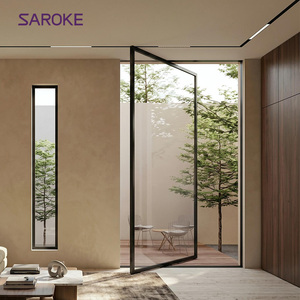
- Heavy-Duty Hydraulic Hinge
- Smart Access Control Ready
- Oversized Architectural Span
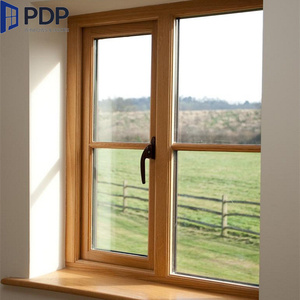
- Triple Glazed Acoustic Barrier
- Exterior Weatherproof Aluminum
- Interior Natural Solid Timber
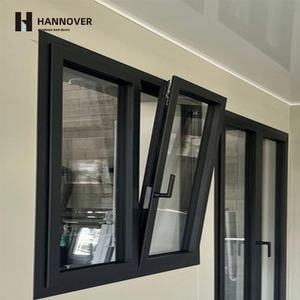
- PA66 Polyamide Thermal Strip
- Low-E Energy Efficient Glass
- High Wind Pressure Resistance
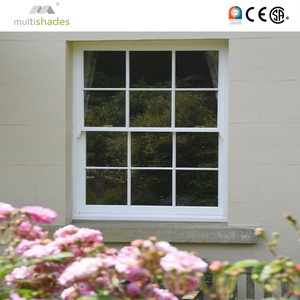
- German Hardware System
- Integrated Louver Shading
- Vertical Sash Counter-balance
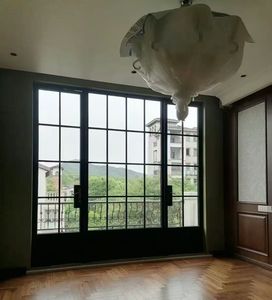
- Precision Arch Bending
- ISO9001 Quality Certified
- Classic Aesthetic & High STC
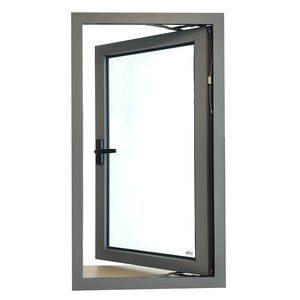
- Reinforced Ballistic Glass
- High-Security Steel Core Frame
- Solar Tinted Privacy Shield
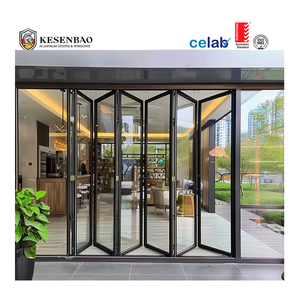
- Integrated Retractable Screen
- Flush Water-Draining Threshold
- Heavy Duty Stainless Rollers
Metallurgical Precision & Thermal Engineering Standards
In modern architectural fenestration, the baseline difference between commercial-grade window assemblies and premium residential or institutional facade systems lies in metallurgical composition, profile chamber layout, and thermal barrier integration. Leading manufacturers in China, such as Changsha Wincraft Aluminum Window Tech Co., Ltd. and premier Foshan extrusion clusters, utilize primary 6063-T5 or high-tensile 6061-T6 aluminum alloys. These alloys undergo precise solution heat treatment and artificial aging to deliver optimal mechanical properties (yield strength ≥ 170 MPa; tensile strength ≥ 205 MPa).
For international buyers and procurement directors, thermal performance is dictated by the design of the structural thermal break. Superior aluminum systems eliminate thermal bridging by integrating PA66-GF25 (25% Glass Fiber Reinforced Polyamide) isolators. Unlike cheaper PVC alternatives, PA66-GF25 matches the linear thermal expansion coefficient of aluminum ($\approx 2.3 \times 10^{-5} / \text{K}$), guaranteeing structural integrity under extreme diurnal temperature fluctuations from -30°C to +80°C without risk of delamination or seal shear failure.
Multi-Chamber Profiles
Advanced cavity configurations engineered to break convection paths, enhance acoustic decay (STC up to 45dB), and increase structural resistance against hurricane wind loads.
Surface Treatments
Architectural PVDF fluorocarbon coatings (AkzoNobel / PPG) withstand intense UV degradation and coastal salt spray, exceeding AAMA 2605 performance criteria with a 20+ year finish guarantee.
Sealing Architecture
Continuous ternary EPDM synthetic rubber gaskets co-extruded with sponge EPDM core ensure watertightness rating up to 700 Pa (ASTM E331) and structural air tightness.
Furthermore, structural glass insertion techniques utilize double-sided structural glazing tape and high-modulus structural silicone sealants (e.g., Dow Corning). This turns the insulated glass unit (IGU) into an active load-bearing component of the sash frame, minimizing deflection and enabling slim-frame architectural profiles with massive glass spans.
System Performance Matrix & Architectural Application Standards
Comparative structural, acoustic, and thermal performance values across specialized export door and window categories.
| System Architecture | Thermal Transmittance (U-Value W/m²K) | Acoustic Insulation (STC Rating) | Wind Load Pressure (Design Pa) | Primary Commercial Application |
|---|---|---|---|---|
| NFRC European Casement | 0.8 – 1.4 W/m²K (Triple Low-E) | 38 – 45 dB | ≥ 4,500 Pa (ASTM E330) | Luxury Residential Villas, High-Rise Passive Built |
| Heavy-Duty Glass Pivot Door | 1.6 – 2.0 W/m²K (Double Glazed) | 32 – 36 dB | ≥ 3,000 Pa | Grand Entrance Vestibules, Luxury Retail Flagships |
| Solid Wood Aluminum Clad | 0.7 – 1.2 W/m²K (Vacuum + Triple) | 42 – 48 dB | ≥ 4,000 Pa | Alpine Resorts, Cold-Climate Luxury Mansions |
| Thermal Break Tilt & Turn | 1.1 – 1.6 W/m²K (Double Low-E) | 35 – 40 dB | ≥ 3,800 Pa | Urban Apartments, Commercial Office Complexes |
| Multi-Panel Bifolding System | 1.5 – 2.1 W/m²K (Double Glazed) | 30 – 35 dB | ≥ 2,800 Pa | Indoor-Outdoor Patios, Resort Pool Pavilions |
| Ballistic & High-Security Fixed | 1.8 – 2.4 W/m²K (Laminated Shield) | 45 – 52 dB | ≥ 6,000 Pa | Consulates, Luxury Estates, High-Risk Commercial |
* Testing standards benchmarked against NFRC 100/200/400, ASTM E283/E330/E331, and European Standard EN 14351-1. Custom glazing build-ups (e.g., Argon gas fill, warm edge spacers, laminated Low-E) modify final thermal ratings.
Global Procurement & Architectural Fenestration Trends
As international energy codes become increasingly stringent (such as the EU Energy Performance of Buildings Directive and North American Energy Star Version 7.0), the global supply chain for aluminum doors and windows is undergoing a paradigm shift. B2B importers, property developers, and architectural firms must evaluate future-proofing strategies when negotiating OEM/ODM sourcing contracts with Chinese factories.
1. Ultra-Low U-Factor & Vacuum Glazing
Procurement is moving rapidly toward overall fenestration U-factors under 1.0 W/m²K. Incorporating hybrid vacuum-insulated glass (VIG) combined with multi-cavity thermal break profiles allows ultra-thin profiles to achieve passive house energy standards without unmanageable frame depth.
2. Minimalist Sightlines & Motorization
Architectural preference heavily favors ultra-slim interlocking stiles (down to 18mm sightlines) for expansive glass facades. Integration of hidden motorization, smart sensors, and biometric access control within pivot and sliding sashes is becoming standard for luxury developments.
3. Complete DFM & 3D BIM Integration
Leading Chinese exporters are replacing basic CAD shop drawings with full Building Information Modeling (BIM) files and Design for Manufacturability (DFM) digital workflows. This enables seamless collision detection and load calculation before extrusion cutting begins.
For overseas buyers, key procurement success hinges on establishing direct relationships with verified factories capable of delivering custom tooling, rigorous factory acceptance testing (FAT), and integrated logistics handling from shop floor to site delivery.
Why Sourcing Directly From Premium China Manufacturers Matters
As an integrated manufacturer and exporter, Changsha Wincraft Aluminum Window Tech Co., Ltd. controls every stage of the fenestration production chain. Operating out of a modern 20,000㎡ industrial facility equipped with automated German 5-axis CNC machining centers, automated corner-crimping machines, and double-head precision miter saws, Wincraft guarantees structural tolerance within ±0.5mm on all project orders.
OEM & ODM Customization
Full capability to develop custom extrusion dies, proprietary hardware configurations, private label packaging, and bespoke frame colors matched to RAL or Pantone architectural standards.
Rapid Design & Rendering Turnaround
Our dedicated engineering department communicates directly with architects and general contractors, providing 2D CAD shop drawings, 3D structural renderings, and static calculations within 24 hours.
End-to-End Export Logistics
Every order undergoes strict pre-shipment quality inspection, waterproof protective wrapping, and solid wooden crate packaging tailored for ocean freight to over 80 countries worldwide.
Whether supplying single high-end residential estates or multi-phase commercial hotel complexes, factory-direct sourcing eliminates unnecessary intermediaries, reduces project costs by 30–40%, and ensures absolute single-source quality accountability.
Frequently Asked Questions for Importers & Contractors
Ready to Upgrade Your Architectural Fenestration Sourcing?
Partner directly with China's leading aluminum door and window manufacturer. Send us your project drawings, CAD elevations, or schedule requirements for an expert engineering consultation and direct factory quotation.