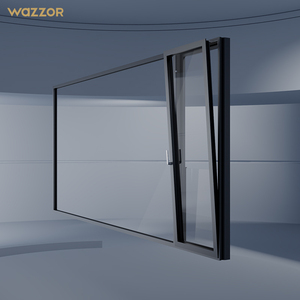
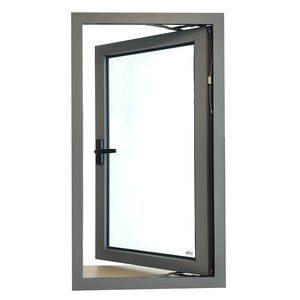
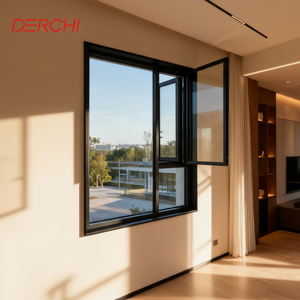
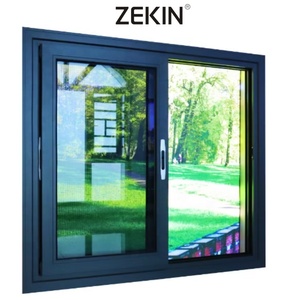
Wazzor High-Quality Typhoon-Resistant Soundproof Casement Window
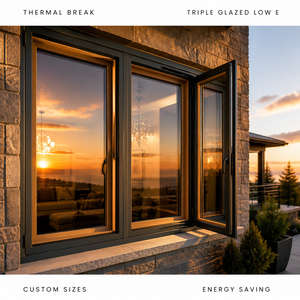
- Typhoon rating up to 5000 Pa wind pressure
- Acoustic dampening up to 42 dB sound isolation
- PA66 nylon thermal break insulation system
Engineered for extreme structural loads, superior thermal breaks, hurricane resistance, and maximum daylight transmission across modern residential and commercial facades.
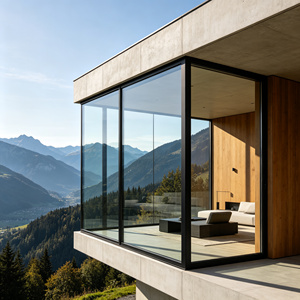
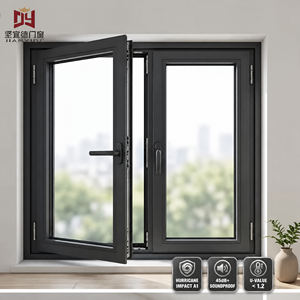
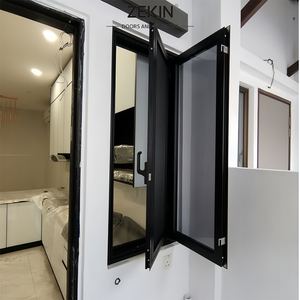
An in-depth analysis of engineering standards, material choices, thermal envelope mechanics, and supply chain strategies for international architects, contractors, and fenestration importers.
Architectural design over the past decade has undergone a radical transformation toward ultra-clear daylighting, minimal frame sightlines, and expansive structural vision panels. Among all architectural fenestration types, aluminium fixed glass windows (also known as picture windows or fixed lite fenestration) serve as the primary structural interface between interior ambient spaces and external environments. Unlike operable casement or sliding configurations, fixed glass windows are permanently anchored to the building structure, offering zero mechanical wear points and unmatched airtightness and water-tightness parameters.
Leading China aluminium fixed glass window factories have capitalized on modern structural glass engineering to supply global B2B projects. China’s manufacturing hubs—such as Changsha, Guangdong, and Shandong—combine heavy extrusion infrastructure with precision CNC processing and automated insulated glass unit (IGU) production. The primary advantage for international procurement managers lies in achieving optimal structural strength, precise thermal transmittance (U-factor), and sophisticated architectural finishes at direct factory-level cost structures.
Engineered using 6063-T5/T6 architectural aluminum extrusions capable of enduring wind pressures exceeding 5000 Pa (ASTM E330 testing standards).
Integration of polyamide PA66 GF25 nylon thermal break strips reduces thermal bridging, maintaining low U-values down to 0.8 W/m²K for Passive House projects.
Multi-cavity insulated glass configurations combined with acoustic PVB/SGP interlayers deliver sound dampening up to STC 45 dB in metropolitan environments.
As global carbon regulations become more stringent (such as Europe's Energy Performance of Buildings Directive and North America's ASHRAE 90.1 energy mandates), the procurement requirements for architectural glass fenestration have shifted from simple material cost evaluation to total lifecycle cost analysis. Importers, facade consultants, and general contractors sourcing fixed glass windows from top China factories must navigate several crucial trends defining the future of commercial and residential building procurement:
Modern architectural aesthetics demand near-invisible aluminum profiles. Top Chinese manufacturers have transitioned from bulky 110mm traditional frame depths to narrow frame depths of 50mm to 86mm, utilizing structural silicone structural glazing (SSG) techniques. This allows the weight of heavy double and triple IGUs to be transmitted directly to structural anchors while presenting ultra-slim interior and exterior sightlines.
Standard clear tempered glass is no longer acceptable in modern building codes. China factories are leading the adoption of multi-layer silver sputter-coated Low-E glass (Double Low-E and Triple Low-E coatings) that selectively filter infrared heat waves while maximizing visible light transmittance (VLT). Furthermore, Vacuum Insulated Glass (VIG) is rapidly entering fixed window manufacturing—offering insulating performance equivalent to solid brick walls within an ultrathin profile thickness.
Global labor costs for site installations continue to climb. Consequently, B2B procurement trends favor "plug-and-play" fenestration packages where fixed glass windows, sub-frames, integrated flashing, perimeter sealing gaskets, and steel attachment brackets are pre-machined, test-assembled, and quality-inspected at the factory before ocean container loading.
Comparative structural metrics for fixed window configurations manufactured in China top factories for global building standards.
| Glazing System Configuration | Overall U-Value (W/m²K) | Solar Heat Gain Coefficient (SHGC) | Acoustic Rating (STC / Sound Cut) | Wind Load Resistance Rating | Optimal Geographic Application |
|---|---|---|---|---|---|
| Double Tempered Low-E 6mm Low-E + 12Ar + 6mm Clear |
1.6 – 1.8 | 0.35 – 0.45 | STC 34 – 36 dB | 3500 Pa (Standard Commercial) | Temperate zones, standard residential developments |
| Triple Glazed Argon Thermal Break 6mm Low-E + 12Ar + 6mm + 12Ar + 6mm Low-E |
0.9 – 1.2 | 0.28 – 0.35 | STC 38 – 40 dB | 4500 Pa (High-Rise Residential) | Cold climates, Northern Europe, North America, Passive House |
| SGP Laminated Hurricane Impact 6mm + 1.52SGP + 6mm + 12Ar + 6mm Low-E |
1.4 – 1.6 | 0.30 – 0.38 | STC 42 – 44 dB | 6000+ Pa (ASTM E1996 Typhoon) | Coastal storm zones, Florida hurricane belts, Caribbean islands |
| Acoustic Double Laminated IGU 6mm Acoustic + 0.76PVB + 6mm + 16Ar + 8mm |
1.3 – 1.5 | 0.32 – 0.40 | STC 45+ dB | 4000 Pa (Urban Noise Mitigation) | Metropolitan downtown cores, airport radius, rail corridors |
A trusted manufacturing powerhouse delivering precision-engineered aluminum fenestration solutions to architects, commercial builders, and fenestration importers across 80+ countries.
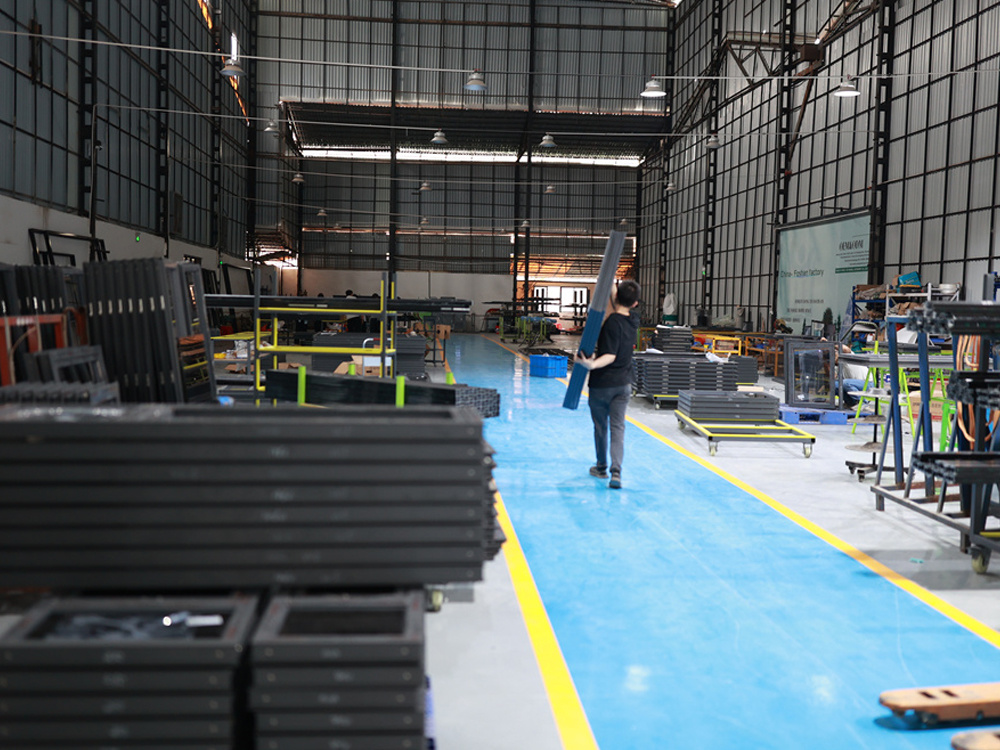
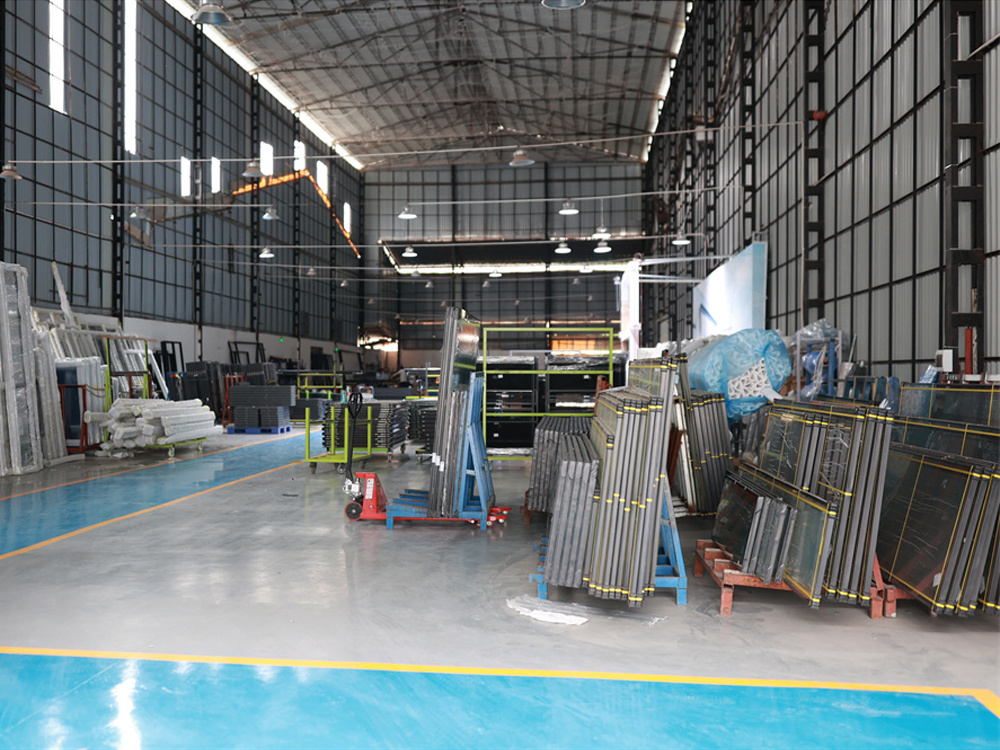
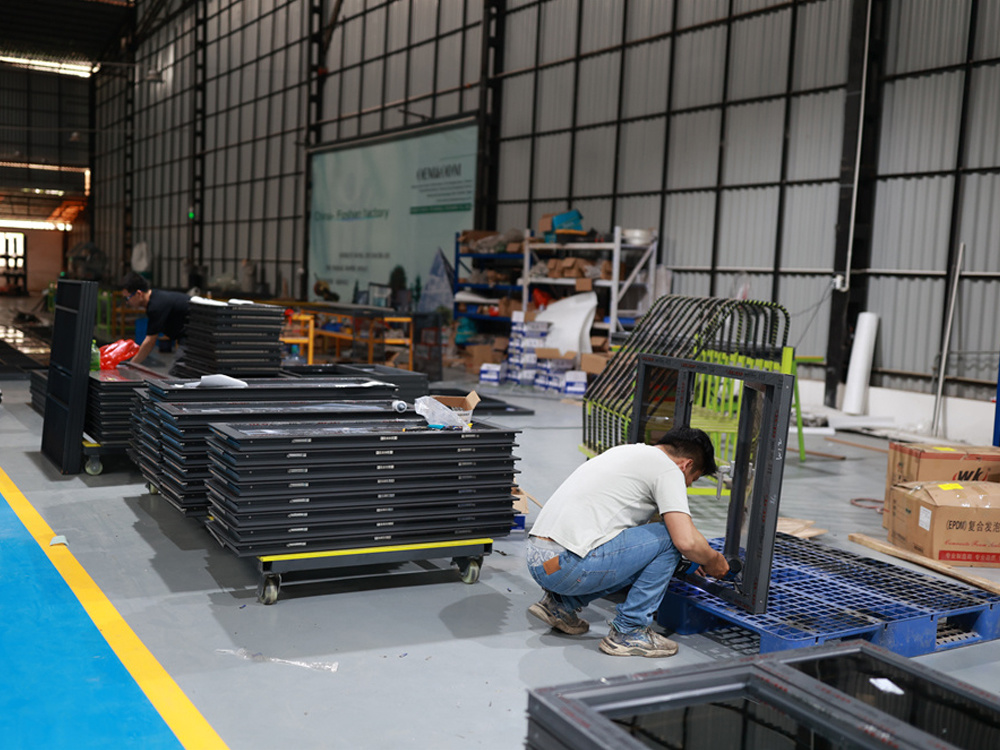
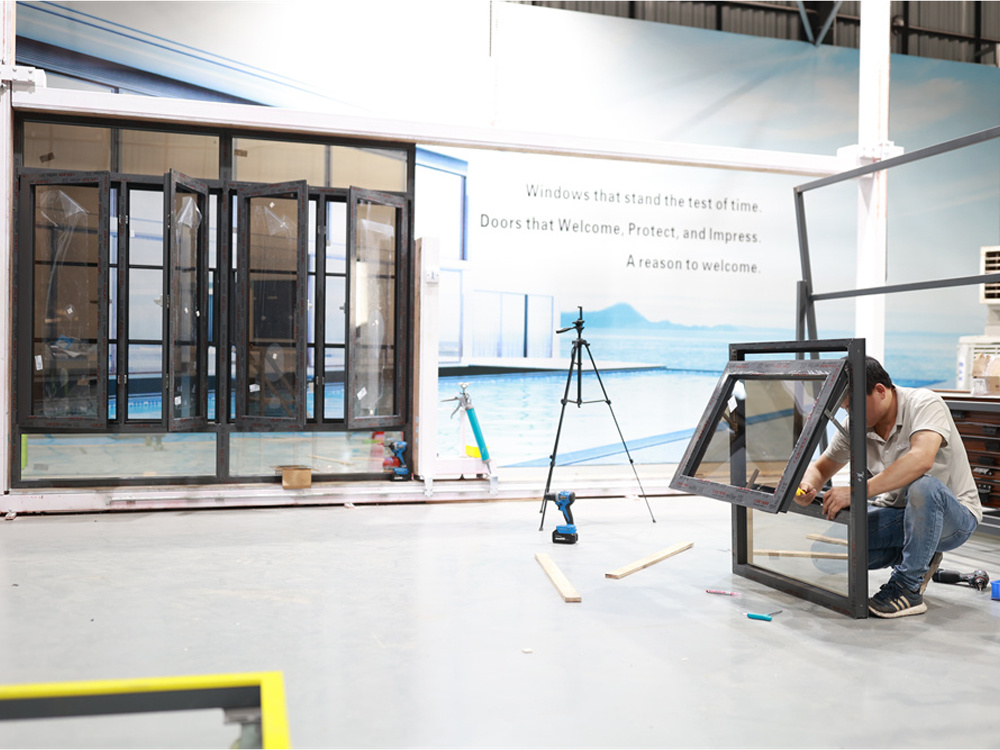
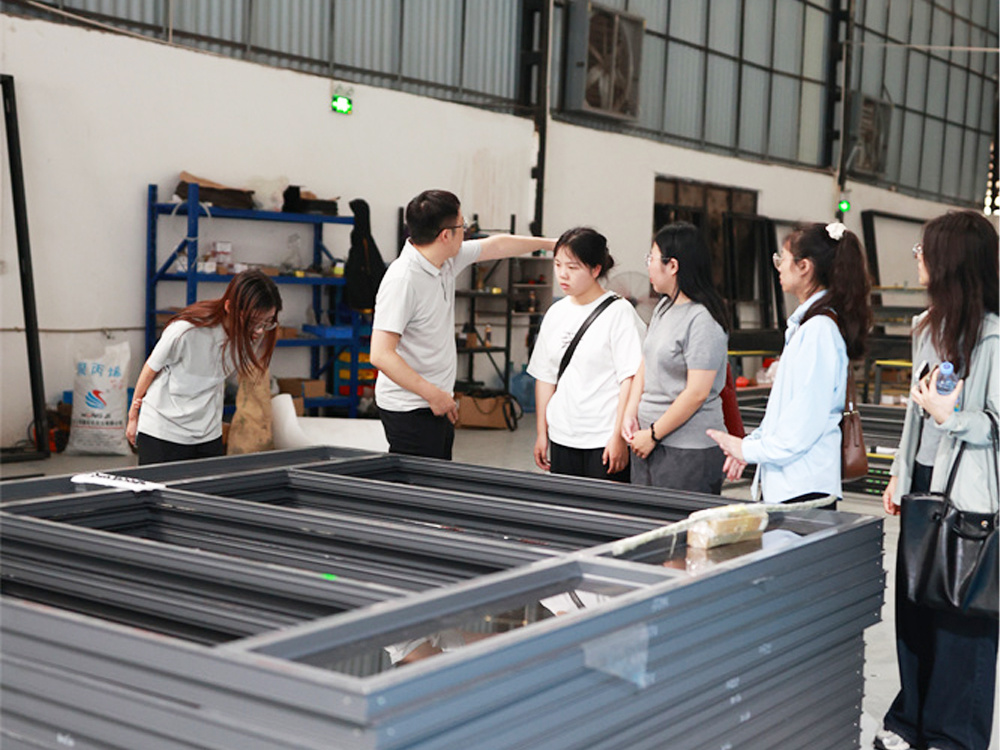
Changsha Wincraft Aluminum Window Tech Co., Ltd. stands as a premier manufacturer and global exporter of high-grade aluminum doors, windows, sunrooms, and structural pavilions. Combining state-of-the-art intelligent CNC extrusion processing, computerized glass cutting, and automated double-sealed IGU lines, Wincraft bridges architectural imagination with rigorous structural execution.
We support private labeling, custom profile extrusion dies, specialized RAL fluorocarbon paint matching, and system engineering based on client BIM models or architectural drawings.
Streamlined production scheduling guarantees a standard 4-week lead time for custom orders, supported by modular batch loading for high-density multi-story developments.
Complete export packaging utilizing steel-framed fumigated wooden crates, customized container loading software to eliminate glass breakage, and door-to-door DDP logistics support.

Comprehensive engineering and procurement answers regarding structural safety, code compliance, shipping, and customization.
Yes. Leading manufacturers such as Changsha Wincraft specialize in comprehensive OEM and ODM services. This includes creating custom aluminum extrusion profiles, customizing thermal strip widths (PA66 GF25), integrating specific glass performance specs (Low-E, tinting, acoustic laminates), matching specialized paint codes (AAMA 2604/2605 powder coatings or fluorocarbon PVDF), and branding hardware or packaging with your company’s logo.
Standard production lead times for customized aluminum fixed window orders average approximately 4 weeks (28 calendar days) after final shop drawing approval and deposit receipt. For large commercial projects requiring hundreds of units, deliveries are systematically scheduled in staggered ocean container batches synchronized with your construction site installation timeline.
Before extrusion cutting begins, Wincraft’s engineering team executes structural finite element analysis (FEA) and deflection calculations based on project wind pressure requirements (ASTM E330 / EN 12210). Aluminum profile wall thickness, glass thickness, and internal structural steel reinforcements are calculated to maintain structural frame deflection below L/175 or L/240 under maximum design loads.
Export-focused factories regularly manufacture products certified to major international standards, including North American NFRC thermal ratings, AAMA window standards, ASTM E1886/E1996 hurricane impact tests, Australian AS2047 fenestration standards, European CE markings (EN 14351-1), and ISO 9001 quality management systems. Buyers should submit local code requirements during the initial inquiry stage.
High-quality China window factories utilize dual-seal technology for all double and triple glazed units. Primary sealing consists of polyisobutylene (PIB) applied to warm-edge or aluminum spacer bars filled with desiccant molecular sieves. The secondary structural seal uses high-modulus silicone or polysulfide sealant. This double-seal configuration ensures moisture vapor transmission rates remain near zero, eliminating interior glass condensation and preventing argon gas dissipation.
Fixed glass windows feature heavy-duty export packaging protocols. Window frames are wrapped in protective polyethylene foam films and corner guards. Complete window units are secured within customized, fully enclosed fumigated plywood crates reinforced with internal steel framing. Moisture-absorbing desiccant packs are inserted, and crates are strapped firmly inside ocean containers to eliminate movement during sea transport.
Yes. Upon reviewing your project elevation schedules or preliminary architectural sketches, our engineering department provides comprehensive 2D CAD shop drawings and 3D BIM renderings within 24 hours. These drawings detail cross-sectional profile geometry, thermal break breaks, anchor locations, drainage paths, and glass build-ups for formal client sign-off before manufacturing.
For coastal, marine, or highly polluted environments, we recommend either 25-micron anodized finishes or Fluorocarbon (PVDF) spray coatings conforming to AAMA 2605 standards. PVDF coatings contain 70% fluoropolymer resin, providing exceptional resistance to salt spray corrosion, intense solar ultraviolet degradation, chalking, and color fading over decades of exposure.
Whether you need custom slim-frame fixed picture windows for luxury villa developments or high-volume thermal break fenestration for commercial projects, our factory engineers deliver structural solutions within 24 hours.