Featured Aluminium Door & Window Systems
Factory-Direct Sourcing Portfolio for Overseas Architects, Importers, and Commercial Contractors
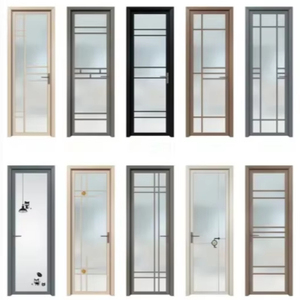
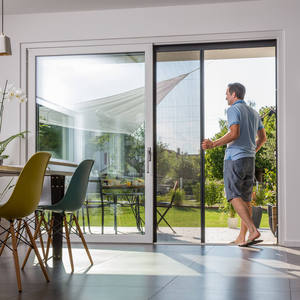
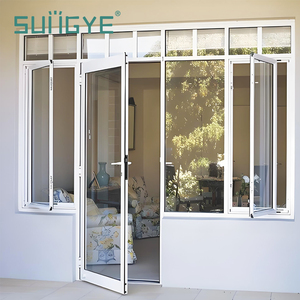
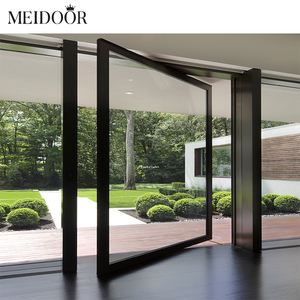
Engineering Standards of Aluminium Sliding Net Doors
A Comprehensive Structural & Material Analysis for Global B2B Buyers and Fenestration Specifiers
Modern architectural fenestration has evolved far beyond basic insect exclusion. In contemporary residential complexes, luxury coastal villas, and high-traffic commercial developments, the aluminium sliding net door operates as an integral structural envelope component. It combines forced-entry security, solar shading, hurricane wind resistance, and ventilation without sacrificing panoramic architectural sightlines. As China maintains its position as the premier global hub for extruded aluminium fenestration manufacturing, understanding the technical nuances of profile selection, mesh metallurgy, and hardware integration is critical for international procurement managers.
1. Extruded Aluminium Alloy Profile Specifications (GB/T 6892 & ASTM B221)
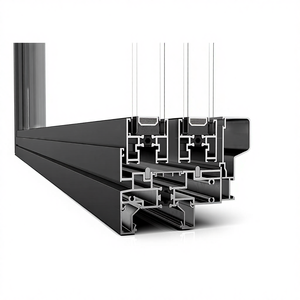
The foundation of any high-performance screen door lies in its extruded profile matrix. Leading Chinese exporters utilize primary-grade 6063-T5 or 6063-T6 aluminium alloy billets, engineered specifically for structural rigidity and intricate mechanical interlocks.
- Structural Wall Thickness: Heavy-duty sliding security net frames feature profile wall thicknesses ranging from 1.4 mm to 2.5 mm, complying with AS2047 and European EN 12020 standards for wind-load deflection.
- Multi-Chamber Thermal Insulation: Premium screen assemblies integrate polyamide (PA66GF25) thermal break strips, preventing thermal bridging between interior living spaces and exterior screen frames.
- Anodizing & Surface Treatments: Surface finishes undergo rigorous pre-treatment before receiving Qualicoat-certified PVDF fluorocarbon coatings (exceeding 30 microns) or architectural powder coatings (exceeding 60 microns), guaranteeing fade-free performance under extreme solar UV exposure.
2. Metallurgy & Performance Metrics of High-Tensile Security Netting
The core protective layer of modern sliding net doors relies on woven metal mesh. Unlike traditional flexible fiberglass screens, structural security doors incorporate high-tensile wire mesh capable of enduring severe impact and mechanical shearing.
| Mesh Category | Material Grade | Wire Gauge (Ø) | Key Performance Attribute | Recommended Application |
|---|---|---|---|---|
| Kingkong Security Mesh | AISI 304 / 316 Stainless Steel | 0.70 mm - 0.90 mm | Knife-Shear & Impact Resistant (EN1627 RC2/RC3) | Ground Floor Villas & High-Security Commercial Entrances |
| Marine-Grade Security Screen | AISI 316L (Mo Addition) | 0.80 mm | 1,000-Hour ASTM B117 Salt Spray Corrosion Defense | Coastal Resorts & High-Humidity Tropical Zones |
| Accordion Pleated Flynet | Modified PET / Polyethylene Mesh | 0.18 mm - 0.22 mm | Invisible Foldability, Minimal Stacking Footprint | Slim-Sightline Patio Doors & Folding Balconies |
| High-Transmittance Micro Mesh | Heavy-Duty Coated Fiberglass | 0.25 mm | Optically Clear Visibility, Maximum Airflow Rate | High-Rise Residential Windows & Screen Enclosures |
Technical Sourcing Insight: The 304 vs. 316 Security Mesh Verdict
When specifying security screen doors for coastal projects (within 5 km of saltwater environments), standard SUS304 mesh is susceptible to micro-pitting corrosion over time. Leading Chinese manufacturers recommend AISI 316 or 316L marine-grade stainless steel, which contains 2-3% Molybdenum to effectively prevent chloride pitting under long-term salt spray exposure.
Hardware Engineering & Motion Dynamics
Precision Mechanical Components Ensuring Smooth Operation Across 100,000+ Cycles
Dual-Bearing Stainless Rollers
Heavy-duty sliding net doors utilize double-row stainless steel (SUS304) needle bearing rollers encased in wear-resistant POM (Polyoxymethylene). Designed to support panel weights up to 180 kg while maintaining sliding resistance under 15N.
Multi-Point Lock Systems
Integrating European-standard multi-point locking gearboxes. Hardened stainless steel mushroom lock pins engage with perimeter strike plates at 3 to 5 separate points, distributing pry-force loads and preventing sash lifting.
Self-Draining Flush Tracks
Concealed bottom track extrusions engineered with sloped drainage chambers and anti-backflow silicone check valves. Allows rapid discharge of storm runoff up to 120 mm/hr while retaining a flat, barrier-free ADA threshold.
Global Sourcing Trends & Future Technological Innovations (2025–2030)
Strategic Insights for Real Estate Developers, Wholesalers, and Sourcing Directors
As international energy codes become stringent and architectural design trends shift toward seamless indoor-outdoor living, the procurement landscape for aluminium sliding net doors is undergoing rapid technological evolution. Global buyers sourcing from China must align their purchasing strategies with key market trends reshaping the industry:
1. Automated & Smart Home Integrated Motorization
The traditional manual sliding net door is rapidly giving way to smart motorized screen systems. Advanced Chinese manufacturing lines now integrate ultra-quiet 24V DC brushless motors inside top track extrusions. These systems interface seamlessly with KNX, Zigbee, and Control4 smart home automation protocols. Embedded safety sensors automatically reverse door movement upon detecting obstacles, making them ideal for high-end residential and hospitality developments.
2. Minimalist Ultra-Slim Sightline Frame Designs
Contemporary architecture emphasizes maximized glass area and uninhibited sightlines. Modern sliding security screen designs utilize high-strength 6063-T6 alloy, enabling visible interlock profiles as narrow as 16 mm. Despite their ultra-slim aesthetic, these systems maintain full hurricane wind-load performance through reinforced internal steel stiffeners and structural corner crimping.
3. Sustainable Sourcing & Low-Carbon Aluminium
Driven by EU Carbon Border Adjustment Mechanisms (CBAM) and ESG mandates, leading Chinese suppliers are transitioning to low-carbon primary aluminium smelted using renewable hydropower. Furthermore, zero-VOC powder coating processes and 100% recyclable alloy profiles ensure compliance with LEED and BREEAM green building certifications.
4. Modular Prefabrication & Rapid Site Assembly
To mitigate rising labor costs overseas, Chinese exporters are engineering unitized, snap-fit screen door kits. Profile components are pre-cut, pre-drilled, and pre-assembled with corner cleats in the factory. This modular engineering approach reduces on-site installation labor times by up to 65% for overseas contractors.
Enterprise Capabilities & Manufacturing Superiority
Changsha Wincraft Aluminum Window Tech Co., Ltd. — Your Trusted Engineering Partner
Changsha Wincraft Aluminum Window Tech Co., Ltd. stands at the forefront of high-performance architectural door and window manufacturing in China. Operating a modern automated facility spanning over 20,000 square meters, Wincraft integrates specialized R&D, structural engineering, precision extrusion processing, surface treatment, and rigorous quality control into a seamless export-oriented operation.
End-to-End OEM/ODM Support
From architectural sketch conceptualization to precise shop drawing generation within 24 hours, our engineering team customizes profile dies, color RAL matching, screen mesh density, and hardware configurations to meet regional building codes.
Strict Quality Control Protocols
Every production batch undergoes strict quality gates: extrusion dimension verification, powder coat thickness testing, high-tensile mesh lock-in pullout resistance checks, and 100% pre-shipment dry assembly inspection.
Global Logistics & Export Packaging
We serve clients in over 80 countries with a standard lead time of approximately 4 weeks. Products are protected with multi-layer PE film, foam corner protectors, waterproof wrapping, and fumigated solid wooden crates.
Procurement FAQ: Sourcing Aluminium Sliding Net Doors
Expert Answers to Critical Buying, Engineering, and Logistics Questions