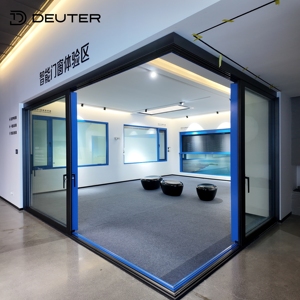
Cornerless Panoramic Lift Sliding Door
Heavy-duty thermal break profile with 90-degree openable glass corner. Smooth stainless steel lift-and-slide track system for seamless indoor-outdoor architectural integration.
View System SpecificationsExplore factory-direct custom fenestration systems manufactured by Changsha Wincraft Aluminum Window Tech Co., Ltd. Every series is engineered to project-specific wind load, thermal transmission, acoustic dampening, and building code requirements.
Heavy-duty thermal break profile with 90-degree openable glass corner. Smooth stainless steel lift-and-slide track system for seamless indoor-outdoor architectural integration.
View System Specifications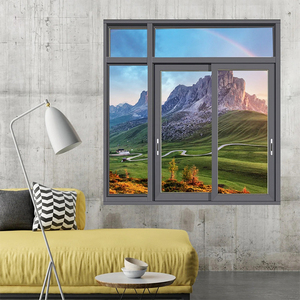
Modern insulated aluminum sash vertical slider with integrated stainless steel mesh screen. Designed for high-rise apartment and luxury hotel envelope designs.
View System Specifications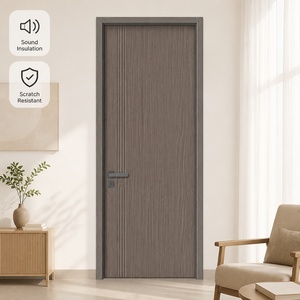
Superior waterproof and fire-rated aluminum-clad timber doors. Features interior solid wood elegance backed by exterior weather-resistant extruded aluminum armor.
View System Specifications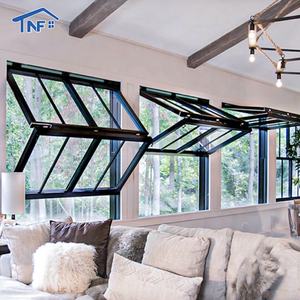
Gas-strut assisted fold-up window system for residential kitchen pass-throughs and commercial bar counters. Maximizes clear opening space with effortless lift action.
View System Specifications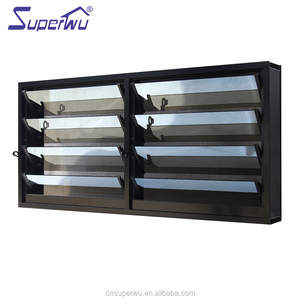
AS2047 compliant high-aeration adjustable glass blade louver system. Delivers optimal airflow control, water tightness, and modern aesthetic profile for tropical climates.
View System Specifications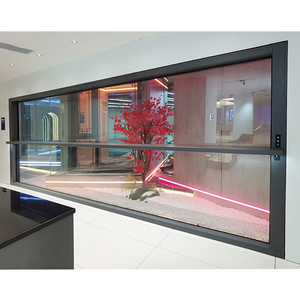
Remote-controlled automated guillotine glass system for balcony enclosure and restaurant patio space management. High structural load safety with anti-pinch sensors.
View System Specifications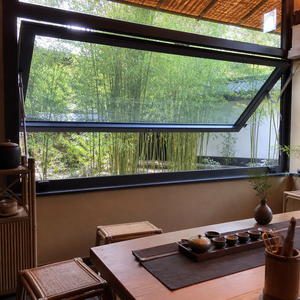
Soundproof Low-E double glazed thermal break awning window certified to AS2047, CE, and NFRC standards. Perfect seal against heavy driving rain and exterior urban noise.
View System Specifications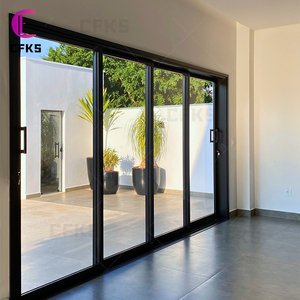
Innovative space-saving patio door kit combining sliding track operation with 90-degree inward swing capability. Double tempered glass insulated for thermal comfort.
View System SpecificationsIn contemporary architectural engineering, the exterior fenestration envelope represents both the most critical thermal boundary and a major capital expenditure item. Choosing a qualified China aluminum double pane windows factory is no longer merely a procurement search for low unit costs; it is an exercise in rigorous technical verification, thermal dynamics alignment, and supply chain risk mitigation.
As building codes across North America (IECC, NFRC), Europe (EN 14351-1, Passivhaus standard), and Australia (AS2047, NCC) mandate lower U-factors and tighter air infiltration thresholds, top Chinese manufacturers have transitioned from low-end commodity extruders to high-precision fenestration tech hubs. Premium manufacturers like Changsha Wincraft Aluminum Window Tech Co., Ltd. leverage fully automated CNC machining centers, robotic corner-crimping cells, and automated Insulated Glass Unit (IGU) sealing lines to deliver fenestration products that match or surpass European structural and energy standards at factory-direct efficiency.
Understanding the core components of high-performance double pane windows is essential for architects, general contractors, and B2B importers. The table below outlines the structural and thermal performance parameters verified in leading Chinese fenestration export facilities.
| System Category | Alloy & Wall Thickness | Thermal Break Tech | IGU Glass Specification | Target U-Factor (W/m²K) | Acoustic Rating (STC) |
|---|---|---|---|---|---|
| Thermal Break Casement | 6063-T5 / T6 (1.4mm - 2.0mm) | PA66-GF25 Polyamide Strip (24mm - 34mm) | 5mm Low-E + 12Ar + 5mm Tempered Glass | 1.3 - 1.8 W/m²K | 38 - 45 dB |
| Heavy-Duty Lift & Slide | 6063-T6 Structural (2.0mm - 3.0mm) | Multi-Chamber Technoform Strip | 6mm Low-E + 16Ar + 6mm Laminated | 1.5 - 2.0 W/m²K | 36 - 42 dB |
| Vertical Awning & Tilt-Turn | 6060-T66 High Precision (1.8mm) | Integrated Aerogel & PA66 Cavity Fill | 5mm Solar Control + 14Ar + 5mm Clear | 1.1 - 1.5 W/m²K | 40 - 46 dB |
| Automated Guillotine System | 6063-T5 Reinforced (2.5mm - 4.0mm) | Structural Edge EPDM Weatherstripping | 6mm Toughened + 12A + 6mm Toughened | 2.2 - 2.6 W/m²K | 32 - 38 dB |
| Aluminum-Clad Timber | Composite Red Oak / Aluminum 2.2mm | Natural Wood Core + Air Cavity Break | 5mm Triple Pane Option (5+10A+5+10A+5) | 0.8 - 1.2 W/m²K | 42 - 50 dB |
Top Chinese factories utilize primary 6063-T5 or 6060-T66 aluminum billets rather than scrap remelt. Tensile strength exceeds 205 MPa with web wall thicknesses engineered to strictly adhere to GB 5237 / AAMA specifications, ensuring zero profile deflection under design wind pressure ($P_3 \ge 5000\text{ Pa}$).
The thermal bridge inside the frame is severed using Polyamide 66 reinforced with 25% glass fiber (PA66-GF25). This material matches the coefficient of thermal expansion of aluminum profiles ($2.3 \times 10^{-5}/\text{K}$), preventing joint separation or shear failure under extreme temperature swings.
Double pane units utilize dual-seal construction: primary butyl sealant to stop vapor transmission, backed by secondary structural silicone or polysulfide sealant. 90%+ Argon gas infill combined with warm-edge spacers (Technoform/TPS) eliminates perimeter condensation and reduces overall U-factor by up to 0.3 W/m²K.
Evaluating an OEM/ODM supplier requires looking beyond glossy brochures. Importers and procurement officers should enforce an audit protocol covering four essential operational metrics:
As the global building sector targets net-zero carbon goals, window manufacturing is undergoing rapid technological updates. Overseas buyers who monitor these developments gain significant market leverage:
Leading Chinese factories are merging traditional double pane gas-filled IGUs with thin-profile Vacuum Insulated Glass units. This hybrid configuration achieves center-of-glass U-factors as low as 0.40 W/m²K—matching solid masonry wall insulation performance while retaining slim profile sightlines.
Integration of silent brushless DC actuators and concealed chain-drive operators inside window frames is expanding. Smart double-pane systems now connect directly to Zigbee/KNX building automation networks, automatically triggering rain-sensor closing or night-purge ventilation.
To reduce Scope 3 embodied carbon emissions for LEED/BREEAM certified projects, premier suppliers are offering low-carbon aluminum profiles refined using hydro-electric power or minimum 75% post-consumer recycled aluminum, cutting embodied carbon by up to 70%.
Changsha Wincraft Aluminum Window Tech Co., Ltd. operates as a fully integrated building-materials manufacturer and export powerhouse. Combining custom engineering, extrusion processing, glass processing, and international project support, Wincraft delivers complete architectural envelope solutions.
Whether you require private-label profile systems for wholesale distribution or custom extrusion dies engineered for a high-rise architectural facade, our in-house tooling facility develops precise profile geometries tailored to your local climate and building codes.
Our structural engineering team eliminates project delays. Send your architectural elevation plans, and we deliver 3D photorealistic renderings, thermal simulation reports, and structural CAD shop drawings within 24 hours for rapid client sign-off.
Operating out of a 20,000㎡ modernized factory floor with automated double-head cutting saws and CNC machining centers, standard custom orders are fulfilled in approximately four weeks, with phased batch container dispatches for large-scale developments.
Detailed engineering and logistical answers to help procurement managers evaluate their first order with confidence.
Contact our senior technical engineering team today for immediate shop drawing assistance, thermal performance calculation reports, or direct factory quotation estimates for your upcoming residential or commercial development.
Contact Us