Top-Rated Aluminum Window & Door Solutions
Engineered for high thermal efficiency, structural resilience, and architectural elegance across global climate zones.
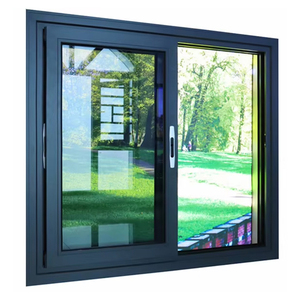
Waterproof Residential Double Tempered Thermal Break Window
Hot broken aluminum sliding system with double-tempered glass, delivering exceptional thermal insulation and storm-rated air tightness for residential bedrooms.
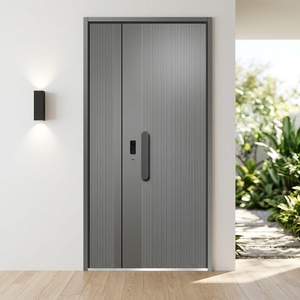
Cast Aluminum Fireproof Security Villa Entry Door
Contemporary unequal double-leaf exterior swing door integrated with high-durability fire prevention cores and burglar-proof mechanical locking assemblies.
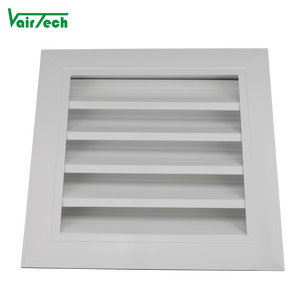
Aluminum Outdoor Waterproof Fixed Louver Fresh Air Vent Window
Heavy-duty weather-sealed fixed louver system providing continuous fresh air ventilation while preventing rain penetration in commercial and residential facades.
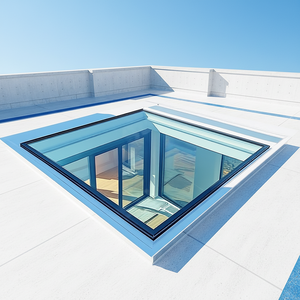
Customized Automatic Soundproof Double Glazed Aluminum Skylight
Smart motorized roof skylight featuring acoustic double glazing, rainwater sensors, and heavy-gauge aluminum structural framing for modern hotel and villa projects.
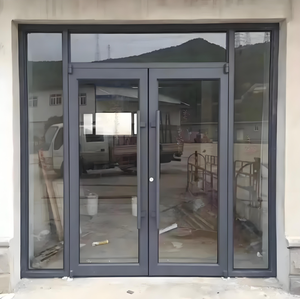
Commercial Smart Glass Hurricane Impact Storefront Door
High-strength commercial exterior entryway built with hurricane-resistant impact glass and switchable PDLC smart glass privacy integration.
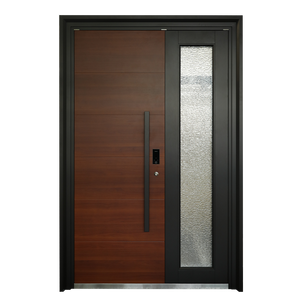
Waterproof Aluminum Security Exterior French Patio Door
Architectural double-hinged French door system outfitted with multi-point lock hardware, continuous EPDM gaskets, and anti-corrosion anodized aluminum profiles.
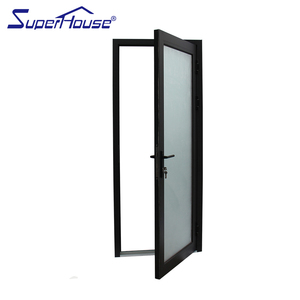
Commercial Heavy-Duty Aluminum Double Glazed Storm Door
Rugged exterior storm door configuration featuring high-impact double tempered glass, reinforced corner cleats, and extreme weather sealing technology.
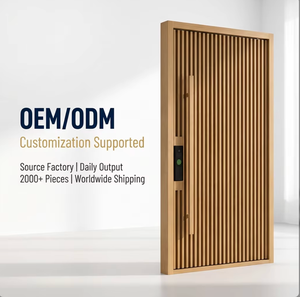
Modern Villa Aluminum-Wood Composite Large Pivot Entry Door
Luxury architectural pivot entrance door engineered with thermal-break aluminum wrapping exterior, internal natural timber finish, and anti-theft vertical slat grilles.
Changsha Wincraft Aluminum Window Tech Co., Ltd.
Integrated global manufacturer specializing in custom fenestration systems, architectural profile wrapping, and high-performance building envelope engineering.
OEM & ODM Precision Engineering
We support custom aluminum extrusions, specific powder-coating RAL shades, proprietary hardware integration, and localized structural compliance for global contractors.
Rigorous Quality Management
Every profile undergo tensile strength testing, thermal strip shear testing, water tightness audits (ASTM E331), and wind-pressure chamber tests prior to export packaging.
Streamlined Global Supply Logistics
Standard customized orders are manufactured within 4 weeks. We offer protective export wooden crates, customs documentation, and direct port-to-site freight tracking.

Architectural Technical Guide: The Physics & Sourcing of "Aluminum Wrapping" Windows
In contemporary architectural engineering, search terms like "China top aluminum wrapping windows manufacturers" reflect a profound shift in how developers, architects, and trade importers specify building envelopes. The concept of "Aluminum Wrapping" (often categorized under architectural cladding, exterior aluminum-wood composite wrapping, or continuous thermal break profile wrapping) represents the pinnacle of modern fenestration performance. It resolves the classic engineering conflict between exterior weather resistance and interior aesthetic warmth.
As commercial buildings and high-end residential villas face stricter building codes, purchasing managers must understand the structural mechanics, thermal barrier dynamics, and metallurgy behind China’s leading aluminum window manufacturing hubs.
Information Gain Key Takeaway: True "Aluminum Wrapping" fenestration relies on a dual-material decoupling system. The exterior aluminum shell (extruded 6063-T5/T6 alloy) shields against UV radiation, monsoon-level rainfall, and thermal expansion, while the internal cavity incorporates glass-fiber reinforced Polyamide (PA66 GF25) thermal breaks or solid wood cladding to prevent thermal bridging.
1. Metallurgy & Extrusion Standards: 6063-T5 vs. 6063-T6 Alloys
China's top aluminum window manufacturers utilize primary ingot aluminum rather than recycled scrap to preserve mechanical integrity. Premium wrapping profiles are extruded from EN AW-6063 alloy, artificial aged to T5 or T6 temper designations:
- 6063-T5 Aluminum: Cools from an elevated temperature shaping process and artificially aged. It offers an ultimate tensile strength of ≥ 160 MPa and yield strength of ≥ 110 MPa, making it ideal for intricate window frame geometries requiring smooth surface finishes for PVDF wrapping or powder coating.
- 6063-T6 Aluminum: Solution heat-treated and artificially aged. Yielding tensile strength upwards of 205 MPa, T6 alloys are specified for high-rise storefront curtain walls, extreme wind-load zones, and structural pivot doors.
2. Thermal Separation Technology: The Role of PA66 GF25 Iso-Struts
Uninsulated aluminum exhibits a high thermal conductivity of approximately 200 W/(m·K). To achieve energy codes demanding overall window U-factors below 1.4 W/(m²·K) (or Passive House standards below 0.8 W/(m²·K)), top Chinese manufacturers utilize multi-cavity thermal break struts made of Polyamide 66 with 25% Glass Fiber (PA66 GF25).
Unlike cheap PVC insulating strips that degrade under solar heat and stress, PA66 GF25 matches the linear coefficient of thermal expansion of aluminum (2.3 × 10⁻⁵ /K). This prevents structural delamination or seal failure during extreme temperature swings between summer heat absorption and winter sub-zero exposure.
3. Engineering Parameter Comparison Matrix
When comparing top Chinese manufacturers against North American or European brands, evaluating technical metrics across standardized test methods (ASTM, EN, and ISO) is crucial:
| Performance Indicator | Standard Testing Protocol | Standard Residential Grade | Wincraft High-Performance Grade |
|---|---|---|---|
| Thermal Transmittance (U-Value) | NFRC 100 / EN ISO 10077-2 | 2.2 – 2.8 W/(m²·K) | 0.8 – 1.2 W/(m²·K) (Triple Glazed Low-E) |
| Air Infiltration Rating | ASTM E283 / EN 12207 | Level 4 (q1 ≤ 1.5 m³/m·h) | Class 4 / ASTM Superior (Continuous EPDM) |
| Water Penetration Resistance | ASTM E331 / EN 12208 | 350 Pa (7.3 psf) | ≥ 700 Pa (14.6 psf) (Concealed Drainage) |
| Structural Wind Load | ASTM E330 / EN 12210 | 2500 Pa (P3 rating) | ≥ 5000 Pa (Hurricane Impact Certified) |
| Acoustic Sound Reduction (STC) | ASTM E90 / ISO 140-3 | STC 28 – 32 dB | STC 42 – 48 dB (Laminated Acoustic Glass) |
4. Surface Treatment & Profile Wrapping Technologies
The durability of exterior aluminum wrapping depends heavily on surface passivation and coating science. Premium China suppliers offer three primary surface wrapping finishes:
- Fluorocarbon (PVDF) Coating: Utilizing 70% Kynar 500 or Hylar 5000 resin systems, PVDF coatings withstand acid rain, coastal salt fog (ASTM B117 salt spray tests exceeding 4,000 hours), and chalking caused by intense UV exposure.
- Architectural Powder Coating: Certified under Qualicoat Class 2 or AAMA 2604/2605 specifications, providing high scratch resistance and eco-friendly zero-VOC finishes in over 200 RAL custom shades.
- 3D Italian Heat-Transfer Wood Grain Wrapping: Combines anti-corrosion powder coating with vacuum-sealed film sublimation. This technique replicates authentic oak, teak, or walnut grains on structural aluminum without the warp, rot, or maintenance demands of solid timber.
Future Sourcing & Procurement Trends (2025–2030)
Key technological shifts shaping global B2B procurement of Chinese aluminum windows and doors.
1. Passive House & Zero-Carbon Building Regulations
Global energy mandates (such as the EU Energy Performance of Buildings Directive and US Title 24) are pushing importers to source ultra-insulated windows featuring warm-edge spacers, argon-filled triple glazing, and vacuum insulated glass (VIG) technology.
2. Ultra-Slim Panoramic Sightlines & Hidden Frames
Architectural trends favor maximum day-lighting ratios. Next-generation aluminum wrapping systems employ interlocking mullions as narrow as 20mm, heavy-duty concealed stainless steel rollers supporting panel weights over 400kg, and flush sill drain tracks.
3. Smart Fenestration & Home Automation Integration
B2B buyers are expanding catalogs with motorized opening operators, integrated smart switchable glass (PDLC), hidden magnetic alarm sensors, and automatic rain-closing skylight actuators linked to building management systems (BMS).
4. Supply Chain Transparency & Direct OEM Manufacturing
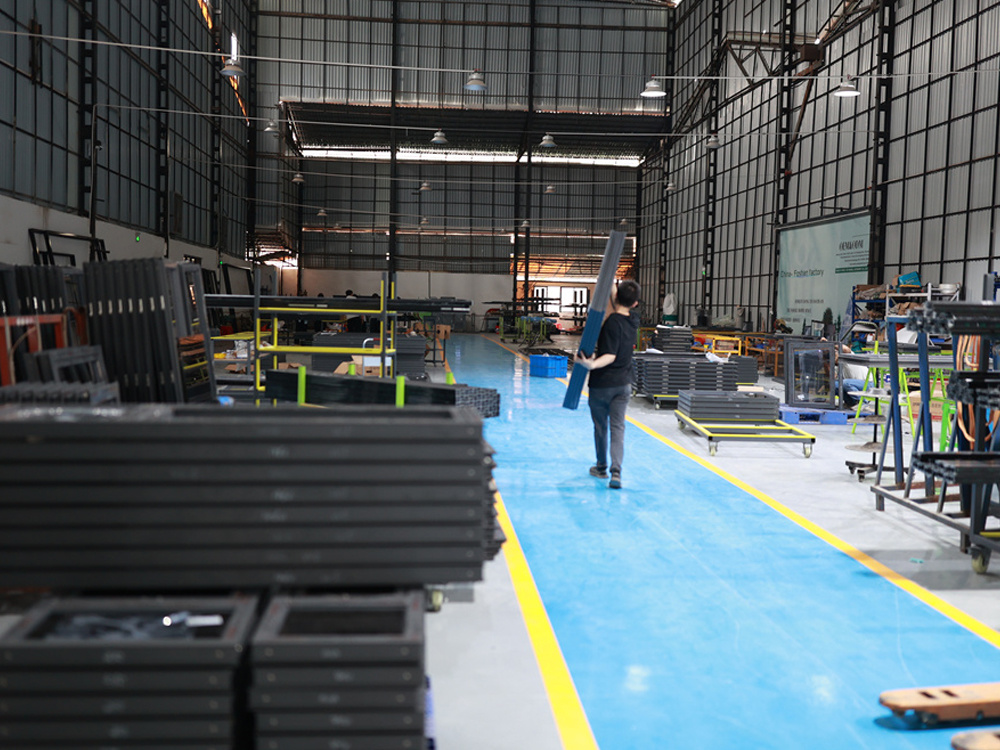
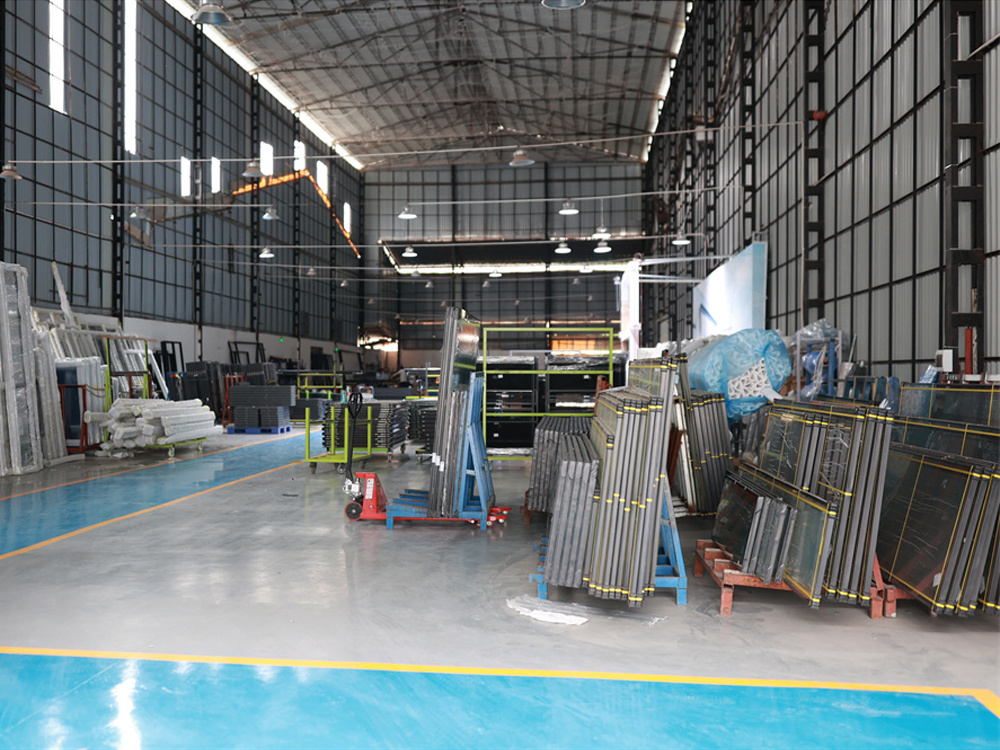
Importers are bypassing trading intermediaries to work directly with audited factories like Changsha Wincraft. Direct engineering communication, 3D CAD sign-offs, and transparent factory-floor inspections reduce lead-time friction and specification errors.
Frequently Asked Questions for Global Buyers
Direct answers to technical, logistical, and commercial inquiries when sourcing aluminum doors and windows from China.
Do you accept OEM and ODM orders for custom aluminum doors and windows?
What is the standard production lead time for export orders?
Can your engineering team provide shop drawings and renderings before manufacturing?
How do you protect and ship fragile glass and aluminum assemblies overseas?
Can your window and door systems meet regional building code compliance in North America or Europe?
What is the structural advantage of thermal break aluminum over standard aluminum windows?
What hardware brands are integrated into your aluminum door and window systems?
Request a Custom Engineering Quote & Drawing Review
Send your project architectural elevation drawings, schedule lists, or OEM requirements directly to our senior engineering team.