The Evolution of Architectural Aluminium Casement Systems
In high-performance commercial and luxury residential construction, aluminium casement doors represent the apex of structural integrity, weatherproofing, and acoustic dampening. As global building energy codes tighten—demanding lower U-factors and higher airtightness—custom original equipment manufacturers (OEM) and original design manufacturers (ODM) play a key role in bringing high-end architectural concepts to market.
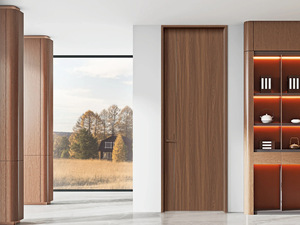
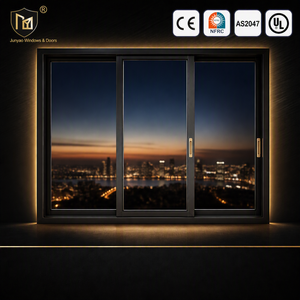
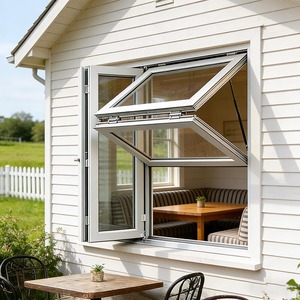
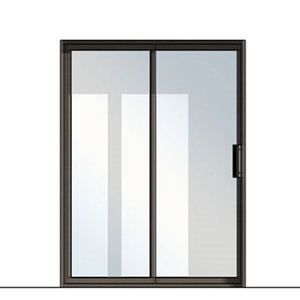
Featured Aluminium Door & Window Systems
Explore our engineered fenestration products, manufactured under ISO9001 and certified for international building codes including NFRC, CE, and AS2047.
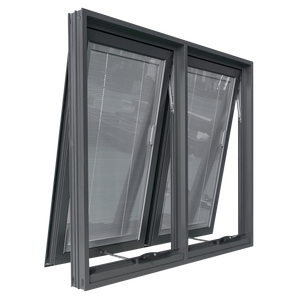
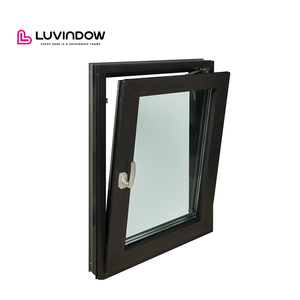
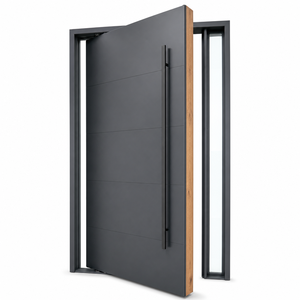
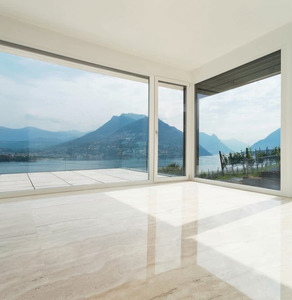
Engineering Fundamentals of Custom OEM Aluminium Casement Doors
Architectural-grade aluminium casement doors differ fundamentally from standard residential swing doors in their metallurgical composition, corner crimping tolerances, and multi-seal pressure equalization systems. When sourcing from custom OEM factories, architectural specifiers must evaluate five essential engineering parameters:
1. Profile Extrusion & Alloy Temper
Utilizing high-tensile 6063-T5 or 6063-T6 primary aluminium billets ensures wall thickness integrity (1.8mm to 3.0mm structural walls). T6 tempering increases yield strength to handle heavy multi-pane insulated glass units without sagging.
2. Thermal Break Cavity Insulation
Incorporating imported PA66-GF25 (Polyamide 66 with 25% glass fiber) thermal barrier strips interrupts heat conduction. Multi-cavity thermal break designs reduce total frame thermal transmittance (U-frame) to under 1.5 W/m²K.
3. Corner Crimping & Structural Injection
Heavy-duty casement door sashes require mechanical corner cleat crimping combined with dual-component epoxy glue injection (corner sealant). This prevents corner joint separation under wind pressure loads up to 5000 Pa.
Technical Specification Matrix: Systems Comparison
Choosing the appropriate fenestration opening system depends on structural loads, egress clear opening widths, and target energy metrics. The matrix below outlines operational parameters engineered across our export manufacturing lines:
| System Type | Structural Profile Depth | Max Glass Thickness | U-Value Range (W/m²K) | Acoustic Isolation (STC) | Primary Egress Application |
|---|---|---|---|---|---|
| Heavy-Duty Casement Door | 75mm – 90mm | 45mm (Triple Glazed) | 1.1 – 1.6 | 42 – 48 dB | Luxury Villa Exterior Entry / Patio Egress |
| Narrow Frame Casement Door | 50mm – 65mm | 28mm (Double Glazed) | 1.8 – 2.2 | 35 – 38 dB | Interior Partitions / Balcony Enclosures |
| Tilt-Turn Architectural Window/Door | 70mm – 80mm | 38mm (Low-E Double) | 1.2 – 1.5 | 40 – 45 dB | High-Rise Residential / Climate Extreme Zones |
| Thermal Break Pivot Door | 100mm – 120mm | 50mm (Impact Laminated) | 1.5 – 1.9 | 38 – 42 dB | Grand Entrance / Modern Architectural Statements |
Changsha Wincraft Aluminum Window Tech Co., Ltd.
As a specialized manufacturer and exporter of custom aluminium doors, windows, sunrooms, and garden pavilions, Wincraft provides complete OEM/ODM solutions to importers, wholesale distributors, general contractors, and architectural firms across 80+ countries.
24-Hour Design & Shop Drawing Turnaround
Our in-house fenestration engineering team translates architectural floor plans and elevation elevations into precise CAD shop drawings and 3D visual renderings within 24 hours. We verify structural wind load calculations, thermal performance requirements, and egress dimensions prior to profile extrusion.
~4-Week Lean Manufacturing Lead Time
Operating a modernized 20,000+ square meter fabrication facility equipped with automated CNC double-head cutting saws, corner crimping machines, and digital milling centers, Wincraft maintains a dependable ~4-week production cycle for customized OEM container orders and phased project deliveries.
Quality Assurance & Multi-Stage Inspection
Every casement door sash and frame undergoes rigorous dimensional checking, powder coating thickness testing (minimum 60-80 microns for Qualicoat compliance), hardware operational torque testing, and water tightness verification before custom protective export packaging.
Global Logistics & Export Compliance
Wincraft provides full export support including ocean container consolidation, protective wooden crate packaging, customs clearance documentation, and flexible Incoterms (FOB, CIF, DDP door-to-door delivery) to streamline cross-border procurement for international clients.
Next-Generation Technological Trends in Aluminium Casement Door Manufacturing
The global fenestration industry is undergoing rapid technological shifts driven by stringent zero-emission building mandates, extreme weather resilience requirements, and minimal aesthetic demands. OEM exporters are evolving beyond traditional aluminum fabrication into advanced systems engineering.
1. Aerogel-Enhanced Multi-Chamber Thermal Insulation
To meet passive house standards (U-values ≤ 0.8 W/m²K), top-tier aluminium casement door factories are integrating aerogel insulation inserts into the polyamide thermal break cavities. Aerogel, boasting a thermal conductivity of less than 0.015 W/m·K, effectively halts radiant heat transfer through the aluminum extrusion chambers without increasing visible profile frame depth.
2. Concealed Heavy-Duty 3D Adjustable Hinges
Modern minimalist architecture favors clean visual sightlines. Traditional barrel hinges are increasingly replaced by fully concealed, 3D adjustable stainless steel hinges capable of supporting sash weights up to 180kg. These hinges allow micron-level adjustments in height, compression, and lateral alignment, ensuring effortless swing action and air seal compression over decades of operation.
3. Fluorocarbon (PVDF) & Electrostatic Powder Surface Finishing
For coastal installations exposed to salt spray and high UV radiation, advanced surface treatments are essential. Factories utilize 70% Kynar 500 PVDF (Polyvinylidene Fluoride) coatings or Qualicoat Class 2 super-durable powder coatings. These surface treatments withstand AAMA 2605 testing standards, offering color retention, chalk resistance, and corrosion protection exceeding 25 years.
4. Multi-Point Safety Lock Systems & Smart Automation Integration
Security standards (such as European RC2/RC3 burglary resistance) demand multi-point locking gear operated by a single handle movement. OEM door factories are embedding motorized multi-point locks compatible with smart home automation, biometric fingerprint scanners, RFID keycards, and remote smartphone control.
Future Procurement Trends for Global Buyers (2026–2030)
How international distributors, developers, and contractors can optimize supply chains when sourcing custom aluminium casement doors.
Environmental Product Declarations (EPD)
Global green building certifications (LEED, BREEAM, Green Star) now require suppliers to disclose embodied carbon metrics. Procurement teams favor factories utilizing recycled aluminum billets (low-carbon primary aluminum) extruded using renewable energy sources.
Prefabricated & Knock-Down (KD) Shipping
To optimize ocean freight costs and lower international container tariffs, factories offer pre-machined Knock-Down (KD) casement door kits. Sashes are precision-cut, drilled, and hardware-installed in the factory, then flat-packed for rapid on-site assembly.
Digital Twin & Building Information Modeling (BIM)
Leading exporters provide native Revit BIM families and DWG details directly to architectural specifiers. This digital integration allows seamless insertion into virtual project models, verifying structural clearances before factory extrusion begins.
Custom Aluminium Casement Door Sourcing FAQ
Direct technical answers for B2B buyers, importers, and fenestration contractors.
Partner with a Trusted OEM Aluminium Casement Door Exporter
Send us your architectural drawings, elevation schedules, or project specifications today. Our senior fenestration engineering team will review your requirements and provide CAD drawings and factory-direct quotation proposals within 24 hours.