Architectural Specification & B2B Procurement Standards
An authoritative engineering whitepaper analyzing structural aluminum alloy formulations, double/triple insulated glass build-ups, and thermal performance benchmarks for commercial and residential swing doors.
In modern architectural fenestration, the specification of custom OEM aluminum glass swing doors represents a critical convergence of structural integrity, thermal physics, and spatial aesthetics. Unlike standard sliding or folding configurations, swing door mechanisms subject frame extrusions and continuous hinge pivots to intense localized torsional loads and cyclical mechanical stress. Achieving optimal performance requires strict adherence to metallurgical standards, multi-chamber thermal breaks, precision gasket compression, and certified glass assemblies.
As a global original equipment manufacturer, **Changsha Wincraft Aluminum Window Tech Co., Ltd.** operates at the forefront of fenestration technology. This engineering guide examines technical specifications, structural extrusion alloys (such as T6-tempered 6063 aluminum), energy mitigation matrices, and future sourcing trends to empower real estate developers, facade engineers, and architectural hardware importers.
Curated Architectural Systems & Fenestration Catalog
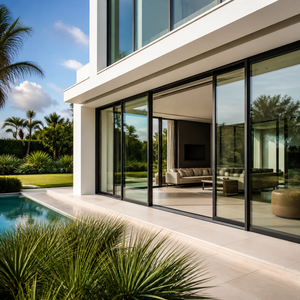
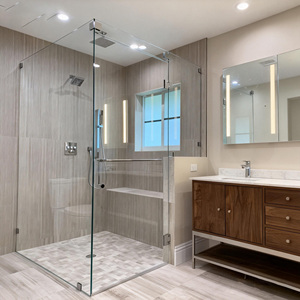
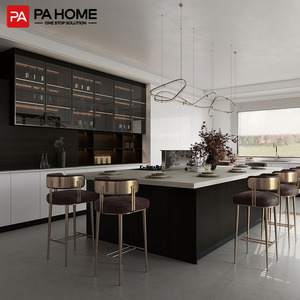
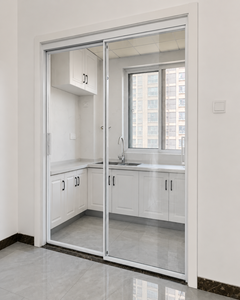
Explore our OEM/ODM custom aluminum doors, specialized windows, skylights, and interior glass partition systems engineered for worldwide delivery.
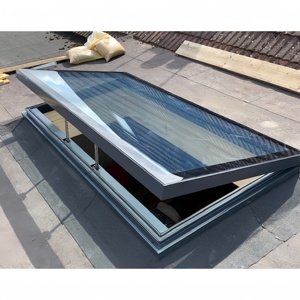
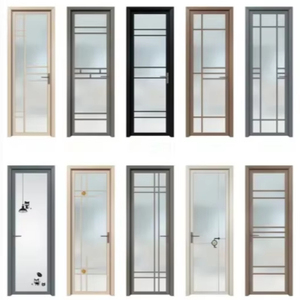
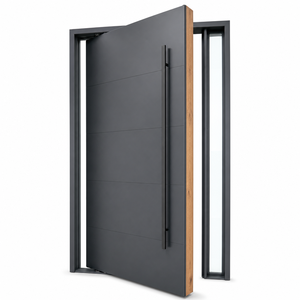
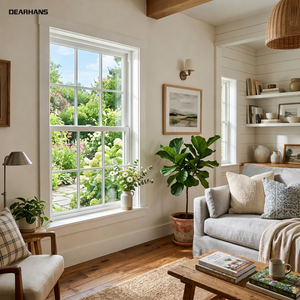
Engineering Blueprint: Material Metallurgy & Structural Physics
In-depth technical breakdown of aluminum extrusion alloys, thermal break physics, and hardware integration.
Alloy Formulation & Extrusion Tech
Architectural aluminum swing doors require high tensile yield strength to withstand frame flexure under dynamic load cycles. We utilize primary **6063-T5/T6 structural aluminum extrusions** engineered with nominal wall thicknesses ranging from 1.8mm to 3.0mm.
- Tensile Strength (Rm): ≥ 215 MPa
- Yield Strength (Rp0.2): ≥ 170 MPa
- Surface Finish: AkzoNobel PVDF / Anodized
- Vickers Hardness: ≥ 12 HW
Polyamide Thermal Break Physics
To eliminate thermal bridging in climate-controlled environments, frames integrate high-precision **PA66 GF25 (25% Glass Fiber Reinforced Polyamide)** thermal break strips, drastically lowering overall system U-values.
- Thermal Conductivity (λ): 0.30 W/m·K
- System U-Factor Range: 1.2 - 1.8 W/m²K
- CRF (Condensation Resistance): > 72
- Shear Strength (Q): ≥ 70 N/mm
Multi-Layer Glazing Architecture
Glass configurations directly govern acoustic insulation and solar heat gain coefficients (SHGC). OEM swing systems support double and triple Insulated Glass Units (IGU) with Low-E hard/soft coats and argon fills.
- IGU Build-up: 6mm + 12Ar + 6mm Tempered
- Acoustic Rating (STC): 38 dB to 45 dB
- Interlayer Options: Kuraray SGP / Solutia PVB
- Air Tightness Class: ASTM E283 / EN 12207 Class 4
Commercial Performance Matrix vs Standard Residential Glazing
A rigorous comparative analysis evaluating key architectural indicators across swing door profile classes.
| Performance Indicator | Architectural Heavy-Duty Swing Door | Standard Residential Swing Door | Ultra-Slim Minimalist Swing System |
|---|---|---|---|
| Profile Alloy & Temper | Primary 6063-T6 (2.0mm - 3.0mm) | Secondary 6063-T5 (1.4mm - 1.6mm) | High-Grade 6061-T6 Aircraft Alloy |
| Wind Load Resistance (Pa) | Class C5 (≥ 5000 Pa / Hurricane-proof) | Class C2 (2000 Pa) | Class C4 (4000 Pa) |
| Thermal Insulation (U-Value) | 1.1 - 1.4 W/m²K (Passive House Standard) | 2.4 - 3.0 W/m²K | 1.5 - 1.9 W/m²K |
| Water Tightness Rating | Class 9A (600 Pa Continuous Pressure) | Class 5A (200 Pa) | Class 7A (450 Pa) |
| Hinge & Pivot Capacity | Up to 350 kg per door leaf | Up to 90 kg per door leaf | Up to 200 kg concealed floor spring |
| Hardware Integration | Multi-point German Locks (Siegenia/ROTO/HOPO) | Single Latch Key Lock | Concealed Biometric Magnetic Lock |
Future Procurement Trends in Commercial & Residential Fenestration
Strategic insights for global importers, contract procurement directors, and building envelope specifiers.
1. Decarbonization & Recycled Aluminum Billets
Global building regulations (such as the EU's EPBD and North American LEED v4.1 mandates) are driving demand for low-carbon extruded aluminum profiles. Sourcing strategies are rapidly shifting toward suppliers utilizing high ratios of post-consumer recycled aluminum refined via renewable hydro-power smelting, reducing embodied carbon by up to 65%.
2. Smart Building & IoT Biometric Integration
The modern architectural market demands seamless digital access control embedded directly inside the aluminum swing door leaf profile. Smart solenoid multi-point locks, concealed electro-magnetic drop bolts, switchable electrochromic privacy glass (PDLC), and integrated micro-ventilation sensors are becoming standard OEM requirements for luxury residential and corporate projects.
3. Ultra-Slim Sightlines with Extreme Load Capacity
Minimalist architectural aesthetics continue to push vertical sightlines down to 18mm-25mm without compromising wind-load or deflection limits. Achieving this requires structural glass bonding technology (silicone structural glazing - SSG) combined with high-modulus T6 structural aluminum sub-frames, shifting assembly from job-site fitting to controlled factory pre-glazing.
4. Strict Compliance with Regional Extreme-Weather Codes
With climate volatility worsening globally, coastal importers are enforcing rigorous hurricane impact testing standards (such as Florida TAS 201/202/203, ASTM E1996, and Australian AS2047). Custom OEM swing door manufacturers must provide certified laminated glass builds with SGP (SentryGlas) interlayers capable of withstanding large missile impacts and cyclic pressure changes.
Enterprise Capabilities: Changsha Wincraft Aluminum Tech
Why Tier-1 contractors, architects, and international distributors trust our manufacturing infrastructure.
Integrated OEM/ODM Supply Chain
**Changsha Wincraft Aluminum Window Tech Co., Ltd.** operates a state-of-the-art **20,000+ square meter intelligent manufacturing facility**. As a direct factory manufacturer, we bypass third-party trading markups, providing end-to-end control from raw extrusion billet heating and precision CNC machining to automated corner-crimping, EPDM seal insertion, and final export protective packaging.
24-Hour Technical Drawing Turnaround
Our dedicated engineering office collaborates directly with project architects and procurement managers. Upon receiving initial architectural CAD elevations, our technical desk provides structural feasibility analysis, system recommendation, shop drawings, and photorealistic 3D visual renderings **within 24 hours**, ensuring zero project delay.
Rapid 4-Week Production Lead Time
Through standardized profile stocking and lean manufacturing protocols, standard custom orders are manufactured, quality-audited, and packed for container shipment within **approx 4 weeks**. For mega commercial developments, staged delivery scheduling ensures synchronicity with local construction milestones.
Global Logistics & Export Quality Control
Exporting to **over 80 countries**, all door and window packages undergo 100% pre-shipment trial assembly, corner diagonal tolerance verifications, and water-spray pressure testing. Goods are securely sealed inside fully enclosed, fumigated plywood crates with protective foam corner wraps to prevent sea-freight oxidation or transit shock.
Frequently Asked Questions for B2B Sourcing & Importers
Addressing crucial technical, logistical, and customization queries for fenestration buyers.
Q1 Do you accept complete OEM and ODM customization for swing doors?
Yes. We provide comprehensive OEM/ODM manufacturing. This includes custom extrusion die development, tailored profile wall thicknesses, custom powder-coating colors (RAL color matching), specialized glass builds, custom hardware brand integration, and private-label logo packaging for wholesalers.
Q2 What is the typical lead time for custom aluminum swing door orders?
Standard customized production runs require approximately **4 weeks** following final CAD shop drawing sign-off and deposit confirmation. Large-scale commercial developments can be scheduled in phased container batches aligned with site installation schedules.
Q3 How does Wincraft ensure international building code compliance?
Before production, our engineering staff evaluates your local building codes (such as US NFRC/ASTM, Australian AS2047/AS1288, or European CE standards). We configure profile thermal breaks, structural reinforcement steel inserts, and laminated safety glass build-ups specifically designed to pass local code inspections.
Q4 Can you supply shop drawings and 3D architectural renderings before production?
Absolutely. Our in-house engineering desk provides complete CAD shop drawings, cross-sectional details, and structural calculation reports. Initial proposal renderings are turned around within 24 hours of receiving your project specifications.
Q5 What hardware systems do you incorporate into your custom aluminum swing doors?
We partner with premier hardware manufacturers globally, including German Siegenia, Roto, GU, and HOPO, as well as high-grade custom stainless steel concealed pivot hinges, hydraulic floor springs, continuous piano hinges, and multi-point security latching mechanisms.
Q6 What logistics and protective packaging measures are implemented for overseas transport?
Products are wrapped in protective scratch-resistant film, sealed with corner corner guards, wrapped in moisture-barrier plastic, and loaded into heavy-duty fumigated plywood crates. We handle full customs export documentation, freight insurance, and door-to-door delivery logistics.
Transform Your Architectural Fenestration Strategy Today
Partner directly with Changsha Wincraft Aluminum Window Tech Co., Ltd. for factory-direct pricing, 24-hour CAD design support, and certified premium quality.