High-Performance Custom Aluminium Door & Window Solutions
Explore our export-certified aluminum door systems. Manufactured using precision 6063-T5 alloy profiles, high-durability hardware, and advanced energy-saving insulated glass build-ups.
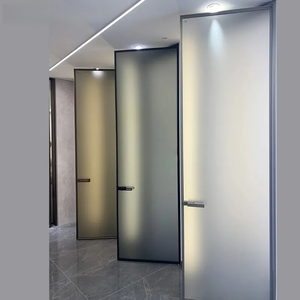
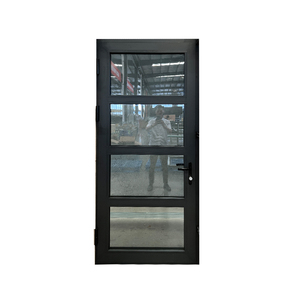
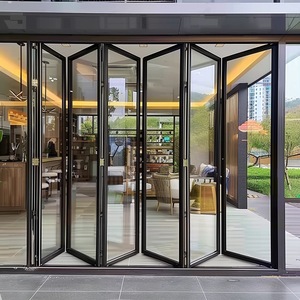
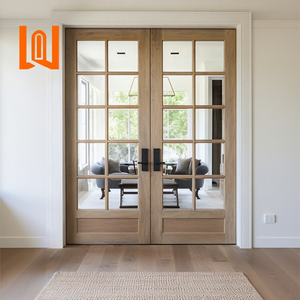
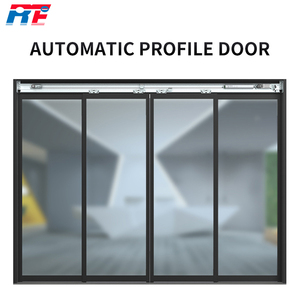
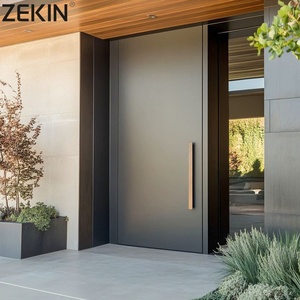
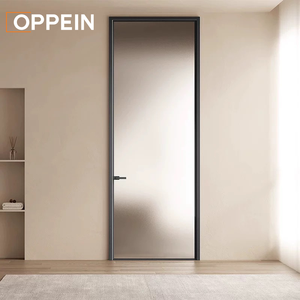
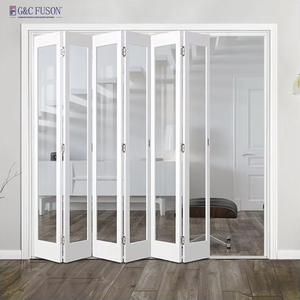
Engineering Superiority: The Shift to Aluminium Crittall-Style Systems
A comprehensive technical evaluation of modern thermal-break aluminium profiles versus legacy hot-rolled steel fenestration for B2B specifiers, structural engineers, and real estate developers.
The iconic Crittall-style door—distinguished by its slender black metal grid lines, minimal sightlines, and industrial geometric partitions—remains one of the most enduring design motifs in both luxury residential and high-end commercial architecture. Originally fabricated from hot-rolled solid steel in the late 19th century, classic steel glazing systems defined Art Deco and modernist heritage buildings. However, as global building energy codes tighten under international standards (such as EU NZEB, ASHRAE 90.1, and Australia's NCC Section J), traditional non-thermal steel frames present major structural and thermal challenges, including severe thermal bridging, heavy dead loads, surface condensation, and high vulnerability to coastal salt-spray oxidation.
Today’s architectural market demands an evolution: OEM/ODM Aluminium Crittall Style Doors. By leveraging precision-extruded 6063-T5 architectural aluminium alloy combined with reinforced structural polyamide thermal break strips (PA66 GF25), Changsha Wincraft Aluminum Window Tech Co., Ltd. has successfully engineered a steel-look fenestration framework that preserves ultra-slim historical sightlines (mullion profiles down to 15mm–30mm) while delivering modern U-values, wind-load resistance, and zero maintenance longevity.
Comparative Matrix: Aluminium vs. Traditional Steel Crittall Systems
To assist architects, structural engineers, and procurement directors in evaluating material suitability for tier-1 residential and commercial developments, the table below provides a side-by-side engineering comparison:
| Performance / Feature Metric | Wincraft Thermal Break Aluminium Crittall | Traditional Hot-Rolled Steel Crittall | Uninsulated Slim Steel Systems |
|---|---|---|---|
| Thermal Insulation (Uw Value) | 1.1 – 1.6 W/m²K (Double/Triple Glazed) | 2.8 – 3.5 W/m²K (High Energy Loss) | > 4.0 W/m²K (Severe Cold Bridge) |
| Frame Weight / Structural Load | Lightweight (2.7 g/cm³); Reduces hinge load | Heavy (7.85 g/cm³); Requires reinforced lintels | Heavy; Triggers structural framing upgrades |
| Corrosion & Salt Spray Resistance | Qualicoat Class 2 Powder Coat / Marine Anodized | Prone to rust if coating is scratched | High risk of sub-film rust in coastal sites |
| Acoustic Rating (STC / Rw) | Rw up to 45 dB (Multi-layer Laminated Glazing) | Rw 28 – 32 dB (Limited seal compression) | Rw 25 – 30 dB (Single gasket seal) |
| Extrusion Customization (OEM/ODM) | High flexibility; custom dies & TDL muntin profiles | Restricted to standard hot-rolled die shapes | Fixed inventory die sections |
| Condensation Control | Zero internal sweating (Polyamide Barrier) | High condensation risk in winter | Extreme internal moisture accumulation |
| Cost-to-Performance Index | Optimal B2B ROI (Lower freight & install costs) | Extremely high material & labor cost | Moderate initial cost, high energy penalty |
Structural Profile Metallurgy & Precision Engineering
Wincraft’s aluminium Crittall door frames utilize primary T6-treated aluminium extrusions with wall thicknesses ranging between 1.6mm and 2.5mm depending on wind load requirements (certified up to EN 12210 Class C5). Our proprietary muntin bar retention system allows for both True Divide Light (TDL) structural division and Simulated Divide Light (SDL) surface-applied astragal bars backed by structural 3M VHB bonding tape and concealed mechanical keying. This hybrid approach guarantees seismic vibration resilience while maintaining airtight seal integrity.
Future Sourcing Trends for Aluminium Crittall Doors (2026–2030)
Key procurement insights for global importers, commercial buyers, and architectural hardware specifiers transitioning to next-generation fenestration.
1. Ultra-Slim Sightline Demands
Global architectural trends favor maximum natural light transmission. Sourcing specifications increasingly mandate vertical mullion sightlines under 25mm without sacrificing structural deflection limits under hurricane-zone wind loads.
- Interlocking stile widths as narrow as 18mm
- Concealed outer frame installation profiles
- Concealed heavy-duty pivot & roller track geometry
2. High-Performance Thermal Breaks
Stringent decarbonization legislation requires commercial doors to achieve near-zero thermal bridging. The market is shifting rapidly from standard uninsulated extrusions to multi-cavity thermal break designs with aerogel insulation inserts.
- PA66 GF25 glass-fiber reinforced thermal strips
- Triple-sealed EPDM continuous weatherstripping
- U-values compliant with Passive House specifications
3. Digital BIM & CAD Integration
Architects and tier-1 contractors now require complete BIM (Building Information Modeling) Revit files and CAD shop drawings within 24–48 hours of project inquiry to shorten early-stage design loops.
- Parametric 3D BIM objects for architectural modeling
- Automated shop drawing generation for quick sign-off
- Direct integration with factory CNC machining lines
4. Low-Carbon ESG Compliance
Institutional property developers evaluate the embodied carbon footprint of building envelopes. Sourcing low-carbon recycled aluminium billets (produced via hydropower) provides vital credits for LEED and BREEAM certifications.
- Recycled content aluminium profile options
- Environmental Product Declaration (EPD) reporting
- 100% recyclable frame components and non-toxic coatings
Integrated OEM/ODM Manufacturing Infrastructure
Changsha Wincraft Aluminum Window Tech Co., Ltd. operates an advanced manufacturing facility providing turnkey customization, rigid QC testing, and end-to-end global export management.
Full-Process Customization (OEM/ODM Workflow)
Unlike standard window traders, Wincraft owns the complete supply chain from raw extrusion die creation to hardware assembly. We support private-label brand packaging, custom powder-coat RAL matching, custom astragal bar arrangements, and specialized architectural glass configurations.
- Private Labeling & Packaging: Customized protective film, branded corner protectors, and heavy-duty export plywood crates.
- Surface Finishes: Qualicoat Class 2 matte black, architectural anodizing, fluorocarbon PVDF, and realistic wood-grain transfers.
- Custom Hardware Integration: German Hoppe, Siegenia, or custom-designed minimalist flush pulls and magnetic latching locks.
Strict Quality Assurance & Standard Lead Times
Every production lot undergoes rigorous air permeability, water tightness, structural wind resistance, and corner joint shear testing prior to packing.
- ~4-Week Standard Lead Time: Expedited production schedules available for phased project deliveries.
- Pre-Shipment Assembly Testing: Trial mock-up assembly in factory to verify dimension tolerances (±0.5mm) and diagonal squareness.
- Global Export Compliance: Fully documented shipping paperwork, customs clearance support, and ocean/air freight logistics.
Frequently Asked Questions for B2B Sourcing & Engineering
Direct answers regarding architectural customization, building code compliance, shipping safety, and structural performance.
Do you accept OEM and ODM orders for aluminium Crittall style doors?
What is the standard production lead time for customized door packages?
Can your engineering team provide shop drawings and renderings before production?
How do Wincraft aluminium Crittall doors perform in cold or coastal climates?
What international building codes and standards do your products comply with?
How are overseas shipments packaged to prevent glass damage during ocean transport?
Accelerate Your Architectural Project with Factory-Direct Engineering
Partner with Changsha Wincraft Aluminum Window Tech Co., Ltd. for architectural-grade OEM/ODM Aluminium Crittall doors. Receive detailed engineering proposals, custom profile CADs, and direct factory pricing within 24 hours.
Contact Us