Engineered Fenestration Systems Showcase
Explore high-performance architectural doors and windows engineered for modern structural loads, thermal efficiency, and sound insulation standards.
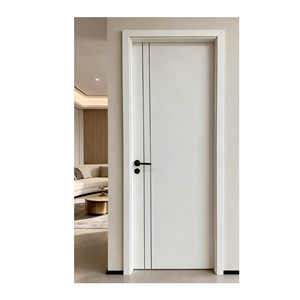
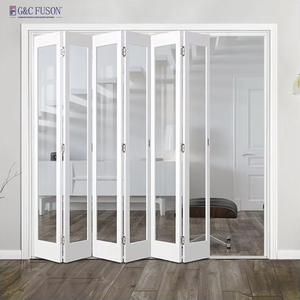
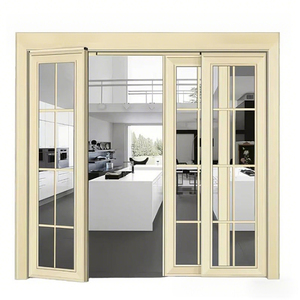
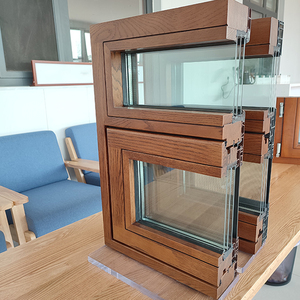
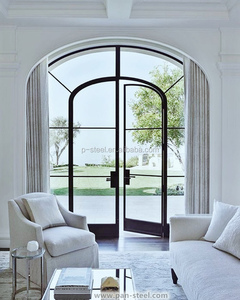
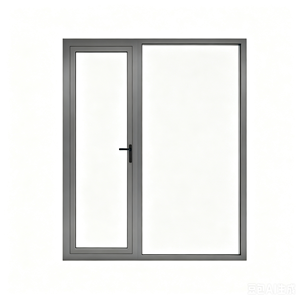
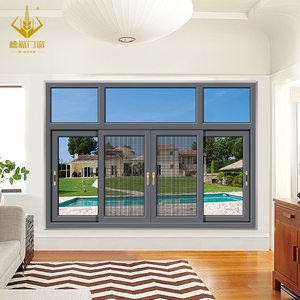
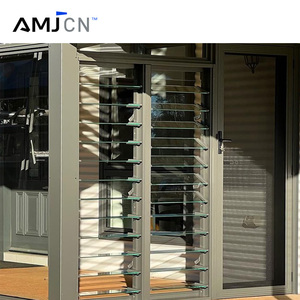
Executive Whitepaper: Strategic Procurement of Architectural Aluminium & Glass Windows
The global architectural fenestration market is undergoing a major paradigm shift driven by stringent building energy efficiency regulations (such as Passivhaus standards, EU EPBD, and US Energy Star v7.0), accelerating decarbonization commitments, and structural architectural preferences for ultra-slim, floor-to-ceiling vision glass profiles. Sourcing architectural-grade aluminium doors, curtain walls, and glass window assemblies directly from specialized B2B manufacturing hubs—particularly in China—has evolved from a pure cost-reduction strategy into a strategic engineering alignment.
However, navigating the global vendor ecosystem requires technical diligence. Commercial buyers, general contractors, real estate developers, and hardware importers must evaluate manufacturers across critical metrics: raw alloy structural tempering (6063-T5 vs. T6), polyamide thermal break barrier performance (PA66-GF25), structural silicone glazing (SSG) adhesion standards, insulated glass unit (IGU) dew point specs, and long-term surface treatment durability under extreme acoustic, coastal salt-spray, or tropical weather conditions.
Benchmarking the World’s Top 10 Aluminium & Glass Window Manufacturers
To assist procurement managers and project specification engineers in vendor selection, we evaluated the global landscape of fenestration manufacturers. High-performing factories are assessed on five core pillars: alloy metallurgical precision, thermal break engineering, glass insulating technology, custom OEM/ODM drawing adaptability, and quality verification frameworks.
1. Metallurgical Profile Integrity
Top manufacturers utilize primary 6063-T5 or heat-treated T6 aluminium extrusions with wall thicknesses exceeding 1.4mm for windows and 2.0mm–3.0mm for heavy-duty sliding/folding doors, preventing structural deflection under high wind loads.
2. Thermal Isolation Engineering
Utilizing high-density Polyamide PA66-GF25 (25% fiberglass reinforced) thermal break strips over cheap PVC strips ensures zero thermal bridge degradation, achieving U-values as low as 0.8 to 1.4 W/m²K in extreme cold/hot climates.
3. Architectural IGU Glazing
Leading factories incorporate automated double/triple-glazed Tempered Low-E Insulated Glass Units with Warm-Edge Spacers and 90%+ Argon Gas filling, achieving sound reduction ratings exceeding Rw 40 dB to 45 dB.
Industry Benchmarking: Global vs. Direct China OEM Manufacturing Capability
When selecting a factory, B2B buyers balance premium brand reputation against direct OEM customization agility, lead times, and factory-direct pricing tiers:
| Manufacturer Tier / Segment | Primary Target Market | Thermal & Acoustic Spec | Lead Time & Flexibility | Custom OEM / ODM Capabilities |
|---|---|---|---|---|
| European Legacy Brands (e.g., Schüco, Reynaers) | Ultra-High-End Commercial / Flagship Projects | Uf ≤ 1.0 W/m²K Rw up to 48 dB |
12–16 Weeks Rigid System Components |
Low customization flexibility; standardized proprietary system profiles. |
| Leading Chinese Direct OEM Factories (e.g., Wincraft Fenestration) | Global Commercial, Residential Villas, Wholesale Importers | U-value 0.8–1.4 W/m²K Rw 38–45 dB |
3–4 Weeks High Manufacturing Agility |
100% Customization: dynamic profiles, fluted glass, custom powder coating, client private labeling. |
| Regional Assembly Suppliers | Standard Domestic Residential | U-value 2.0–2.8 W/m²K Rw 28–32 dB |
4–6 Weeks Local Stocking |
Limited to standard stock sizes; minimal custom extrusion or architectural rendering support. |
Deep Dive: Material Engineering Standards for Long-Term Structural Reliability
Achieving structural failure avoidance in high-rise coastal developments or luxury residential villas requires strict adherence to raw material chemistry and physical surface treatment standards.
Anodizing, Fluorocarbon (PVDF) & Powder Coating Surface Finishes
For coastal environments subjected to salt spray and high atmospheric moisture, standard electrostatic powder coating can suffer from filiform corrosion. Top manufacturers utilize AkzoNobel or PPG certified Qualicoat Class 2 / Class 3 thermosetting powder coatings or 3-coat PVDF (Polyvinylidene Fluoride) fluorocarbon spray processes. PVDF coatings guarantee color retention, UV resistance, and corrosion stability for over 20–25 years without chalking or peeling.
Multi-Point Locking & Hardware System Integration
Air permeability and water tightness depend heavily on hardware seal compression. Premium windows utilize multi-point lock mechanisms (integrating top German brands such as Siegenia, Roto, Hoppe, or heavy-duty custom OEM hardware). Combined with continuous EPDM (Ethylene Propylene Diene Monomer) triple synthetic rubber sealing gaskets, these systems eliminate draft leakage and water infiltration under severe storms.
Future Procurement & Sourcing Trends in Architectural Fenestration (2025–2030)
As international construction compliance matures, procurement teams are shifting away from fragmented sourcing toward turnkey integrated OEM solutions. Key macro trends shaping the upcoming decade include:
1. Ultra-Slimline Visible Sightlines
Demand for narrow-frame minimalist designs (interlock sightlines under 20mm) is surging. This requires high-strength aluminum alloys and structural glass bonding where the IGU acts as a load-bearing element.
2. Low Carbon Footprint & CBAM Compliance
Global developers must account for embodied carbon. Forward-looking factories utilize recycled aluminum billets and green solar-powered extrusion processes to lower CBAM carbon tariffs upon entry to Europe and the Americas.
3. 24-Hour Digital BIM & CAD Workflows
Importers favor manufacturers capable of rapidly ingesting architectural CAD drawings and issuing full 3D shop renderings, structural calculations, and BOM quotes within a single business day.
Why Partner with Changsha Wincraft Aluminum Window Tech Co., Ltd.?
Changsha Wincraft Aluminum Window Tech Co., Ltd. is a premier integrated building materials manufacturer and global exporter specializing in custom aluminum doors, aluminum windows, sunrooms, and outdoor pavilions. Built upon a foundation of engineering excellence, technical innovation, and customer-first service, Wincraft provides complete factory-direct fenestration solutions to B2B importers, distributors, general contractors, and architectural design firms in over 80 countries.
State-of-the-Art 20,000㎡ Production Base
Our modern manufacturing facilities feature automated precision CNC profile cutting equipment, dual-corner crimping machines, glass insulating production lines, and rigorous quality inspection protocols. Every window profile is tested for dimensional accuracy, finish uniformity, and structural seal integrity prior to packaging.
End-to-End Export & Logistics Support
We eliminate purchasing friction for overseas buyers. From delivering initial design renderings within 24 hours to customized plywood crate export packaging, customs declaration, and direct door-to-door (DDP) logistics, one dedicated engineering team manages your order from drawing sign-off to site installation.
Frequently Asked Questions (FAQ) for Global Buyers
Essential answers regarding custom OEM manufacturing, lead times, export logistics, and technical specifications:
Ready to Source Architectural-Grade Fenestration for Your Next Project?
Send your project blueprints, window schedules, or custom OEM specifications directly to our engineering department for a rapid evaluation and competitive factory quote within 24 hours.
Get a Quote