Industry Whitepaper & Sourcing Matrix

Top 10 Aluminium And Timber Windows Factory & Exporters

A Comprehensive B2B Engineering Benchmark, Material Analysis, and Global OEM Procurement Guide for Architects, Developers, and Commercial Buyers

Factory Direct Fenestration Systems

High-Performance Aluminium & Timber Architectural Products

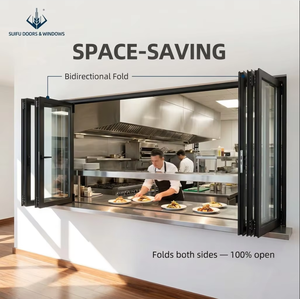
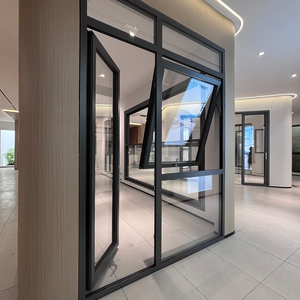
Explore our export-grade aluminium and timber window/door range engineered for strict thermal insulation, structural wind-load compliance, and modern architectural aesthetics.

Get Catalog
Strategic Sourcing Analysis

Evaluating the Global Aluminium & Timber Window Manufacturing Ecosystem

In modern architectural engineering, fenestration is no longer viewed as a simple physical barrier or day-lighting component. It represents a complex, multi-functional building envelope system responsible for up to 40% of a structure's operational thermal energy exchange. For global real estate developers, facade contractors, and commercial importers, identifying the top 10 aluminium and timber windows factory & exporters requires navigating detailed material sciences, thermal performance parameters (U-values, SHGC), weatherproofing standards, and supply chain logistics.

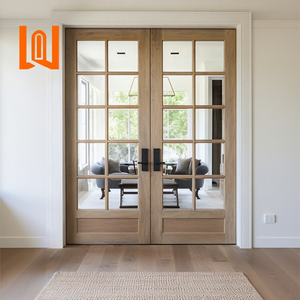
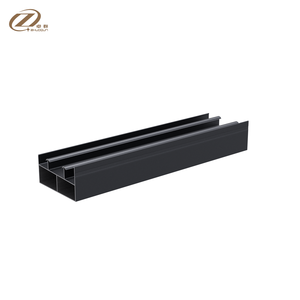
Aluminium-clad timber windows represent the pinnacle of modern architectural window engineering. By fusing the structural longevity, weather resistance, and low-maintenance attributes of high-grade extruded aluminum (6063-T5/T6 alloy) on the exterior face with the natural thermal insulation, acoustic absorption, and biological warmth of interior timber (such as Larch, Oak, Pinus Sylvestris, or PSL), hybrid fenestration overcomes the traditional limitations of monolithic window profiles.

While solid timber windows are susceptible to UV degradation, rot, and moisture-induced dimensional expansion, pure aluminum frames suffer from high thermal conductivity without complex thermal breaks. The hybrid aluminum-clad timber configuration solves both paradigms, yielding operational lifespans exceeding 50 years while easily meeting Passive House (Passivhaus) envelope efficiency thresholds.
Why Sourcing Direct from Qualified Exporters Matters

  • Total Cost Reduction: Sourcing directly eliminates multi-tier distributor markups, saving 25% to 40% on commercial projects.
  • Bespoke OEM/ODM Capability: Direct factory integration permits custom extrusions, specific timber species, and proprietary hardware fitment.
  • Quality Assurance Rigor: Certified factories implement factory-level air/water tightness tests according to ASTM, EN, and AS2047 standards.
  • Supply Chain Transparency: Full traceability of raw materials from FSC-certified timber forests to Qualicoat powder-coating lines.
0.75
Ultra-Low U-Value (W/m²K) Passivhaus Ready
50+
Years Expected Service Life (Clad Systems)
45 dB
Acoustic Sound Reduction Rating
6000 Pa
Extreme Wind Load Pressure Resistance
Material Engineering Benchmark

Comparative Performance Matrix: Window Profile Architecture

A rigorous engineering comparison between Aluminium-Clad Timber, Thermal Break Aluminium, Solid Hardwood, and Vinyl (uPVC) fenestration systems.

Performance Criterion Aluminium-Clad Timber Thermal Break Aluminium Solid Timber (Hardwood) uPVC / Vinyl
Thermal Insulation (U-Factor) 0.70 – 1.1 W/m²K (Superior) 1.2 – 1.8 W/m²K (Moderate to High) 0.9 – 1.3 W/m²K (High) 1.3 – 2.0 W/m²K (Moderate)
Exterior Maintenance Cycle Zero Maintenance (Powder Coated) Zero Maintenance High (Re-staining every 3-5 yrs) Low (Subject to UV yellowing)
Structural Integrity & Span Extreme (Heavy curtain walls & doors) Very High (Commercial spans) Moderate to High Low (Requires steel reinforcing)
Acoustic Insulation (STC) 40 – 48 dB (Exceptional mass dampening) 32 – 38 dB 38 – 44 dB 28 – 35 dB
Lifespan & Sustainability 50+ Years / Highly Recyclable 40+ Years / Fully Recyclable 30-40 Years / Biodegradable 15-25 Years / Low Recyclability
Interior Aesthetic Value Luxury Natural Timber Warmth Industrial / Metallic Finish Natural Luxury Timber Finish Basic Plastic Finish

* Data synthesized from standard EN 14351-1, NFRC thermal modelling, and AS2047 physical test protocols across leading global manufacturing labs.

Information Gain: B2B Sourcing Guide

Top 10 Selection Criteria for Aluminium & Timber Window Factories

Before issuing RFQs or signing procurement contracts with overseas suppliers, evaluate factories against these ten technical capability benchmarks.

1. Extrusion Alloy & Temper Grade

Ensure the manufacturer uses primary 6063-T5 or 6063-T6 aluminum billet rather than scrap remelt. T6 temper provides significantly higher tensile strength required for hurricane-impact zones and large architectural glass panels.

2. Timber Kiln-Drying & Moisture Control

Superior timber windows demand continuous kiln drying to achieve a stable equilibrium moisture content (EMC) of 8% to 12%. Improperly dried wood causes warping, profile twisting, and seal failure within 18 months of jobsite installation.

3. Automated CNC Milling Precision

Inspect if the factory utilizes 5-axis CNC machining centers for profile cutting, corner key insertion, and hardware mortising. Manufacturing tolerances must be held within ±0.1mm to ensure hermetic corner joint sealing.

4. Surface Coating Certifications

Outdoor aluminum extrusions require Qualicoat Class 2 or PVDF fluorocarbon coatings capable of enduring 3,000+ hours of continuous salt-spray testing (ASTM B117) without chalking, blistering, or micro-cracking.

5. Multi-Point Locking Hardware

Verify integration with tier-one European hardware manufacturers (e.g., Siegenia, Hoppe, Roto, or Sobinco). Multi-point perimeter locking gears are essential for achieving RC2/RC3 burglar resistance and uniform gasket compression.

6. Thermal Break Polymer Specifications

Ensure aluminum break profiles utilize Polyamide PA66 GF25 (25% glass-fiber reinforced) strips rather than cheap PVC. PA66 GF25 shares the exact thermal expansion coefficient as aluminum, preventing joint separation under extreme climate shifts.

7. In-House Physical Testing Facilities

Top-tier exporters operate internal test rigs to validate Air Infiltration (ASTM E283), Water Penetration Resistance (ASTM E331), and Structural Performance (ASTM E330) before submitting products for third-party lab certification.

8. Export Packaging & Ocean Logistics

Fragile glass unit protection requires fumigated fully-enclosed plywood crates, corner rubber protectors, moisture-absorbing desiccant packs, and shrink-wrapped waterproof films engineered to withstand 45+ days at sea.

9. CAD/BIM & Shop Drawing Speed

Evaluate the factory's engineering office. Rapid turnarounds on 24-hour initial CAD proposals and complete BIM models streamline architectural sign-offs and prevent project delay penalties.

10. Sustainable Sourcing (FSC & EPD)

Verify that timber inputs originate from responsibly managed, chain-of-custody certified forests (FSC/PEFC) and that the facility possesses verified Environmental Product Declarations (EPDs) for LEED project compliance.

Industry Horizon 2026–2030

Future Procurement & Architectural Fenestration Trends

Strategic architectural trends shaping next-generation global door and window purchasing decisions.

1. Ultra-Narrow Sightlines & Flush Structural Thresholds

Architects worldwide are rejecting bulky traditional window profiles in favor of minimal frame, slim-sightline systems. Future timber-aluminium hybrid profiles integrate frame elements directly into surrounding wall reveals, leaving as little as 28mm of visible frame width. Additionally, continuous flush threshold designs rely on subterranean drainage channels to achieve zero-step indoor-outdoor transitions without compromising water penetration thresholds (resisting over 700 Pa static water pressure).

2. Smart Electrochromic & Triple-Silver Low-E Glazing Systems

Glazing technology is transitioning from static double-glazed units to dynamic, light-responsive setups. Vacuum Insulated Glass (VIG) combined with triple-silver magnetron sputter Low-E coatings allows U-values to drop down to 0.40 W/m²K, matching solid insulated wall panels. Smart electrochromic glass allows occupants to control tint level via automated building management systems (BMS), reducing solar heat gain coefficients (SHGC) dynamically during peak cooling demand.

3. Parallel Strand Lumber (PSL) & Engineered Timber Composites

While solid timber options like Oak and Teak remain popular, engineered timber composites such as PSL (Parallel Strand Lumber) and multi-layer finger-jointed laminated timber are dominating high-end project specifications. PSL offers up to three times the bending strength of conventional sawn timber, enabling double-height entry doors and massive curtain wall spans up to 6 meters in height without internal structural steel reinforcement.

4. Prefabricated Sub-Frame & Modular Jobsite Integration

To overcome global construction labor shortages, fenestration factories are shipping fully integrated modular window packages complete with pre-attached thermal insulation sub-frames, waterproof membrane flanges, and plug-and-play electrical wiring for motorized blinds and sensors. This prefabricated approach reduces jobsite installation time by up to 60% while eliminating field installation errors.

Enterprise Manufacturing Advantage

Changsha Wincraft Aluminum Window Tech Co., Ltd.

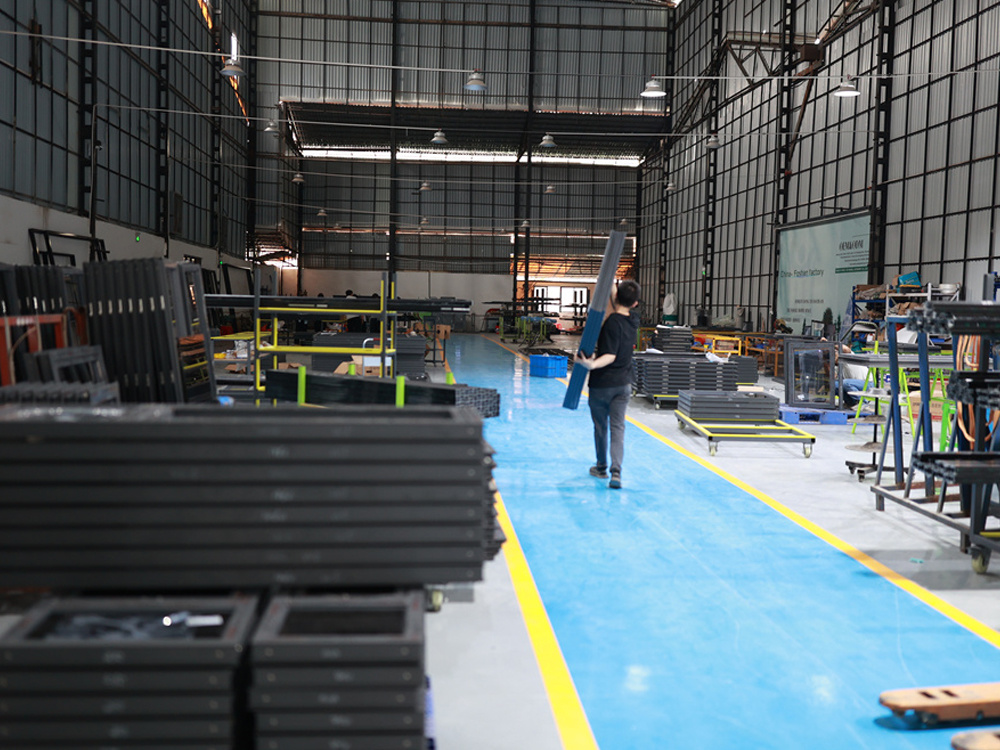
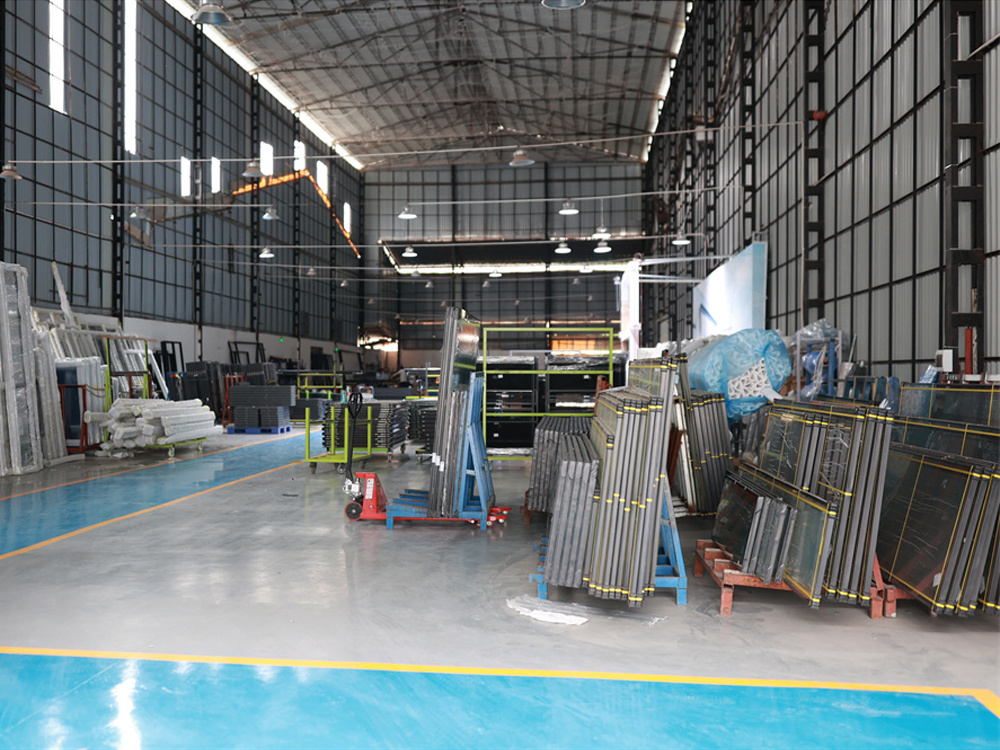
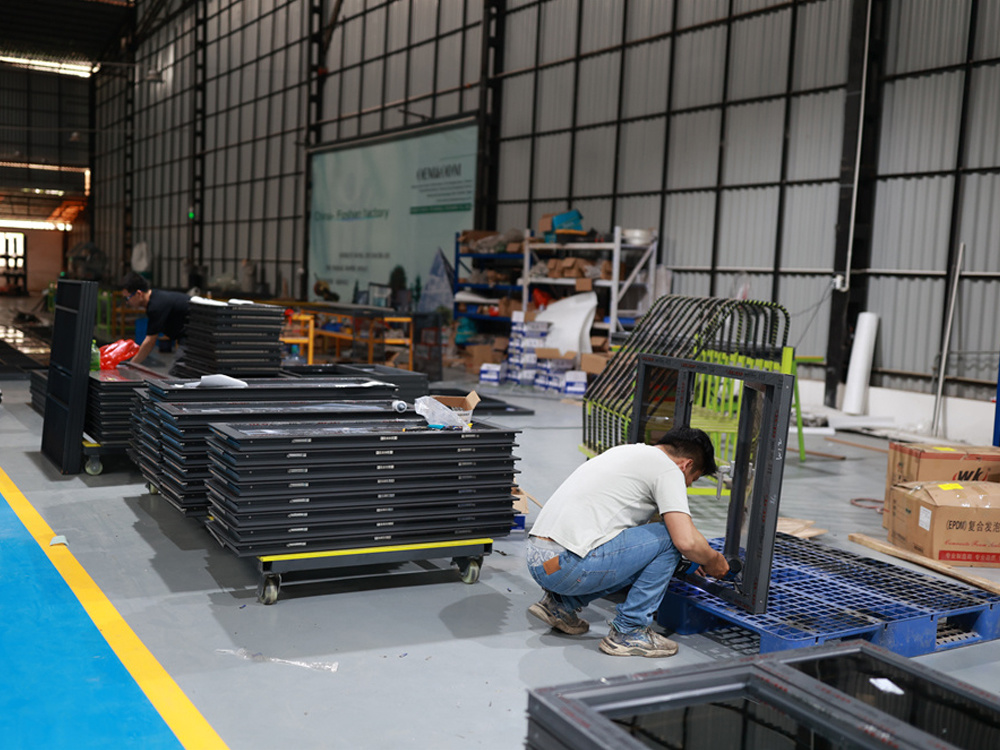
As a leading exporter and specialized manufacturer within China's premier building materials hub, Changsha Wincraft Aluminum Window Tech Co., Ltd. (Wincraft) operates as an integrated architectural fenestration platform combining custom industrial design, precision CNC fabrication, rigorous quality testing, and direct global export logistics.

Spanning a modern 20,000+ square meter production base and backed by over 20 years of fenestration engineering expertise, Wincraft manufactures custom aluminum doors, aluminum windows, aluminum-clad timber systems, glass sunrooms, and outdoor architectural pavilions for real estate developers, facade contractors, and private-label distributors in more than 80 countries.

  • 24-Hour Design & Render Turnaround: Dedicated engineering office generating full CAD shop drawings and 3D architectural proposals within 24 hours of RFQ submission.
  • ~4-Week Standard Production Lead Time: Flexible, automated production scheduling capable of managing high-volume commercial runs and custom luxury villa packages simultaneously.
  • Comprehensive OEM & ODM Support: Complete private labeling, custom extruded aluminum profiles, unique timber species selections, and proprietary hardware assembly.
  • End-to-End Export Management: Multi-layer protective export packaging, customs declaration handling, and door-to-door (DDP/DAP) sea freight shipping support.
Wincraft Aluminum Window Production Workshop CNC Precision Milling Machine Window Assembly Line Finished Products Quality Inspection
Technical Procurement FAQ

Frequently Asked Questions by Global B2B Importers

Essential technical answers addressing compliance, manufacturing workflows, timber durability, and international logistics.

Do you accept OEM and ODM orders for custom aluminium and timber windows? +

Yes. Wincraft provides full OEM and ODM services. We engineer custom extrusion dies, integrate specific timber species (such as Larch, Oak, Teak, Pine, or PSL), match custom RAL powder-coating colors, apply private labeling, and develop specialized packaging solutions tailored to your brand's market requirements.

What is the standard factory lead time for customized export orders? +

Standard customized orders are manufactured within approximately 4 weeks following final shop drawing confirmation and deposit payment. For large-scale multi-phase commercial real estate projects, we coordinate staggered batch production and shipping schedules matched to your jobsite installation timeline.

How does the aluminum cladding prevent timber interior rot and warping? +

Our aluminium-clad timber systems utilize a snap-on floating clip connection that maintains an active 3mm to 5mm ventilation gap between the exterior aluminum profile and the internal wood profile. This design ensures pressure-equalized rainscreen drainage and prevents direct thermal bridging or condensation buildup on the timber surface. The interior wood is also treated with multi-coat eco-friendly water-based anti-fungal primers.

Can your window and door systems meet regional building codes in North America, Europe, and Australia? +

Yes. Our engineering office configures profile depth, glass build-up (such as laminated impact glass or double/triple Low-E units), and hardware layouts to comply with regional codes, including NFRC/AAMA in North America, CE / EN 14351-1 in Europe, and AS2047 / AS1288 in Australia. Share your structural wind load and thermal U-value specs, and our team will provide a fully compliant design proposal.

Can you provide detailed CAD proposals and 3D architectural renderings prior to production? +

Absolutely. Our in-house engineering team works directly with architects, developers, and project managers. We deliver initial design proposals, section details, and 3D renderings within 24 hours of receiving your project architectural drawings or window schedules.

What export packing and ocean freight protection protocols do you implement? +

All export products undergo a rigorous multi-stage packaging process: defensive protective tape applied to extrusions, foam corner wraps, shrink-wrap moisture sealing, and packing into fully enclosed, fumigated ISPM-15 compliant plywood crates with internal rubber shock absorption. This guarantees cargo integrity across long-distance sea container transport.

Direct Factory Quote & Technical Support

Ready to Source High-Performance Aluminium & Timber Windows?

Contact our senior engineering team today for technical consultation, instant CAD shop drawings, and competitive factory-direct wholesale pricing.

Get Catalog