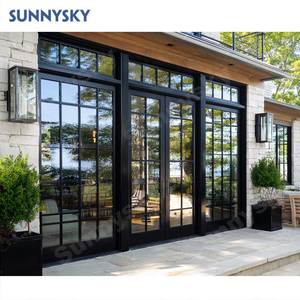
Featured Aluminum Impact Doors & Windows
Factory-direct structural impact systems customized for hurricane zones, high-rise architectural facades, and modern luxury estates.
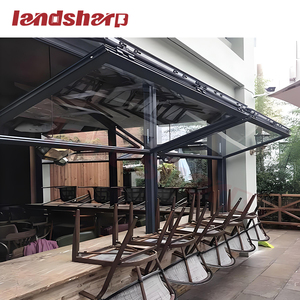
Landsharp Balcony Double Glaze Glass Aluminium Accordion Folding Window Fold Kitchen Hurricane Windows
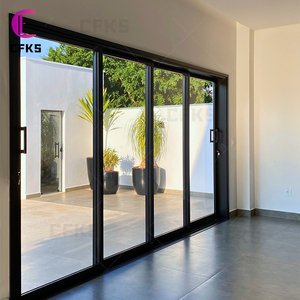
New Design Aluminium PD Sliding Patio Doors Kit System Modern Aluminum Double Glass Slide and Swing PT Door
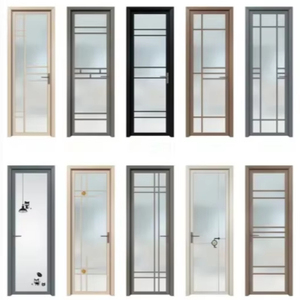
Aluminium Doors for Home,Bathroom Interior Doors for House, Aluminium Door with Frosted Cristal & Restrooms (Supports OEM/ODM)
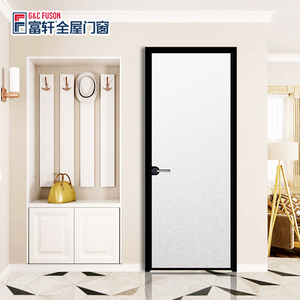
Hotel Room Glass Interior Casement Door With Lock Kitchen House Bedroom Door Office Aluminum Frame Swinging Glass Swing Door
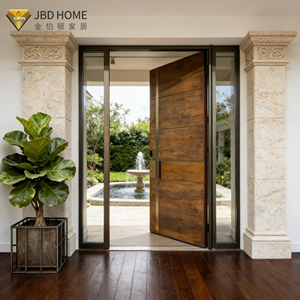
Modern Aluminum Pivot Door With Heavy Duty Hinge - High Security Front Entry Pivot Doors For Luxury Villa Entrance
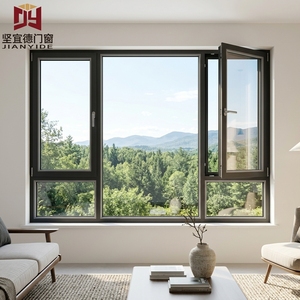
Aluminum Alloy Casement Windows With Thermal Break Double Glazed Soundproof Windproof Features European Style Aluminum Window
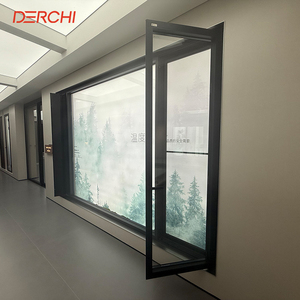
DERCHI Customized Fixed windows Double Tempered Insulating Broken Bridge windows Slim Profile Aluminium Casement windows
20+
Years Mfg Experience
20,000 m²
Production Facility
80+
Countries Exported
24 Hours
CAD / Rendering Turnaround
Executive Industry Analysis: Structural Impact Fenestration
Understanding the engineering demands, building code compliance, and supply chain strategies for high-performance impact windows.
In contemporary architectural engineering, the demand for aluminum impact windows and doors has evolved from localized coastal compliance into a global standard for resilient building envelopes. Global procurement officers, real estate developers, and commercial contractors face stringent regulatory pressure to install fenestration systems capable of enduring extreme meteorological events, such as Category 5 hurricanes, seismic stress, and rapid thermal cycles.
Selecting an elite OEM/ODM aluminum impact window manufacturer requires evaluating structural design pressures (DP ratings), intermetallic alloy compositions (T5 vs. T6 tempering of 6063 aluminum), glass lamination interlayers (PVB vs. SGP structural interlayers), and thermal barrier integrity. This technical whitepaper establishes a clear, information-dense framework for evaluating top exporters to guarantee your building projects exceed structural safety codes without sacrificing visual aesthetics.
ASTM E1996 Impact Compliance
Structural glass systems tested for Large Missile Impact (Level D, 9-lb 2x4 lumber at 50 ft/s) and severe cyclic wind pressure load cycles.
Polyamide Thermal Breaks
Precision PA66GF25 structural nylon thermal barrier strips designed to eliminate thermal bridges, drastically reducing U-factors in extreme climates.
Global Export Certification
Comprehensive technical documentation aligned with AS2047 (Australia), CE (Europe), Florida Building Code (FBC/NOA), and NFRC energy standards.
Key Criteria for Auditing Aluminum Impact Window Manufacturers
A rigorous baseline matrix for procurement teams evaluating tier-1 suppliers in China and globally.
To ensure structural reliability and mitigate long-term liability, procurement directors must evaluate manufacturers against technical engineering markers rather than superficial unit pricing. The comparison matrix below details essential evaluation parameters:
| Evaluation Parameter | Standard Low-Cost Exporter | Tier-1 Impact Manufacturer (e.g., Wincraft) | Engineering Impact on Project |
|---|---|---|---|
| Aluminium Alloy Profile | Recycled aluminum (6063-T5 non-certified) | Virgin 6063-T6 / 6061-T6 High-Tensile Extrusions | Prevents frame deformation under maximum design pressures (DP60+). |
| Laminated Glass Interlayer | Standard 0.76mm Polyvinyl Butyral (PVB) | 1.52mm SentryGlas® (SGP) or Structural Tough PVB | SGP offers 5x tear strength and 100x stiffness compared to standard PVB. |
| Weather Sealing & Gaskets | Recycled PVC rubber strips | Continuous Co-extruded EPDM + Silicone Foam Seals | Ensures water tightness under heavy driving rain (over 700 Pa pressure). |
| Hardware & Locking Mechanism | Single-point zinc alloy locks | Multi-Point Stainless Steel 316 Concealed Hardware | Provides forced-entry protection and maintains perimeter gasket compression. |
| Surface Treatment | Basic powder coating (5-year durability) | AkzoNobel / PPG Fluorocarbon (PVDF) 20-Year Finish | Resists UV degradation, salt spray corrosion (C5-M marine rating). |
Future Procurement Trends in Impact Fenestration
Strategic insights driving the next generation of architectural envelope specification.
1. Carbon-Neutral Profile Manufacturing
Institutional real estate investors are increasingly mandating Environmental Product Declarations (EPDs). Future procurement strategies focus on aluminum profiles extruded using hydropower energy, drastically reducing embedded carbon per square meter of window frame.
2. Ultra-Narrow Sightlines with High DP
Architectural preference has shifted decisively toward minimalist framing. Next-gen impact engineering integrates structural steel reinforcements within ultra-slim aluminum profiles, allowing expansive glass spans (over 3.5m height) while keeping DP ratings above 70 PSF.
3. Dynamic Glass Integration
Combining impact-rated SGP laminated glazing with electrochromic dynamic smart glass or vacuum-insulated glass (VIG) units. This hybrid approach yields superior impact safety along with low U-factors (<0.8 W/m²K) for Passive House compliance.
Product Development & Engineering Innovations
How modern engineering solves complex architectural challenges in coastal and urban environments.
Advance Thermal Break & Multi-Chamber Profiles
Historical impact windows suffered from thermal inefficiency because solid aluminum frames act as rapid conductors. Modern OEM development utilizes multi-chambered profile structures filled with expanded polyurethane (PU) foam combined with imported German Polyamide (PA66GF25) strips.
This structural isolation prevents thermal bridging, eliminates interior condensation in freezing winter conditions, and reduces air conditioning loads in tropical climates.
Hydro-Pressure Water Drainage Design
Hurricane-force winds frequently force rainwater through standard window tracks. Next-generation impact windows utilize hidden step-down pressure-equalized drainage systems equipped with anti-backflow gravity caps.
Even when subjected to sustained wind loads up to 3,000 Pa, water is systematically channeled outward without penetrating the internal interior sill profile.
Why Partner with Wincraft Aluminum Window Tech?
Changsha Wincraft Aluminum Window Tech Co., Ltd. is an integrated building-materials manufacturer and exporter combining design, engineering, precision production, and global delivery. Serving architects, importers, contractors, and developers across 80+ countries, Wincraft provides custom fenestration solutions backed by end-to-end quality assurance.
Factory-Direct Manufacturing Control
Operates a 20,000+ m² modern facility with automated CNC machining lines, double-head precision cutting, and automated glass assembly.
24-Hour CAD & Rendering Turnaround
Our engineering team translates project schematics into structural CAD drawings and 3D realistic renderings within one working day.
Reliable ~4-Week Production Lead Time
Streamlined material supply chains allow standardized custom orders to complete production in ~4 weeks, backed by batch logistics planning for large projects.
Comprehensive OEM/ODM Program
Supports complete private labeling, custom profile extrusion dies, architectural color matching, and hardware tailoring for global brand owners.
Frequently Asked Purchasing & Technical Questions
Clear insights addressing key commercial, structural, and shipping queries for international buyers.
1. Do you accept OEM and ODM orders for custom aluminum impact doors and windows?
+
Yes. We fully support OEM and ODM cooperation models. Our engineering department can manufacture products based on your architectural blueprints, customized profile extrusions, specified glass configurations (SGP/PVB), branded hardware, and customized export packaging.
2. What is the difference between PVB and SGP interlayers for impact windows?
+
PVB (Polyvinyl Butyral) is the standard interlayer used for basic impact resistance and soundproofing. SGP (SentryGlas® Plus) is a structural ethylene interlayer that is 5 times tougher and up to 100 times stiffer than PVB. SGP remains upright even if both glass panes shatter, making it essential for high-rise hurricane zones and extra-large glass spans.
3. What is the typical lead time for a custom B2B container order?
+
Our standard production turnaround is approximately 4 weeks following final shop drawing confirmation and color sample approval. For massive commercial project orders, we establish a staggered batch production and container shipment schedule aligned with your site construction timeline.
4. How are your products packaged to prevent damage during ocean transit?
+
Every window frame and glass panel undergoes multi-layer protection: 1) Protective film covering aluminum surfaces; 2) EPE foam wrapping all corners; 3) Fully enclosed fumigated plywood crates or steel-framed A-frame racks with rubber cushioning to prevent movement inside sea containers.
5. Can your technical team assist with architectural shop drawings before production?
+
Absolutely. Our dedicated fenestration engineers review your architectural CAD files or elevation drawings and generate detailed shop drawings—including structural cross-sections, anchorage points, frame dimensions, and drainage details—within 24 hours.
6. How do Wincraft impact windows perform in extreme coastal environments?
+
Our frames utilize 6063-T6 architectural aluminum treated with AkzoNobel or PPG PVDF fluorocarbon coatings, certified to pass 3,000+ hours of continuous salt spray testing (C5-M marine anti-corrosion rating). All hardware fasteners are constructed from 304/316 grade stainless steel to eliminate galvanic corrosion.
Ready to Upgrade Your Fenestration Sourcing?
Contact our structural engineering and export department today to receive preliminary project cost estimates, custom CAD drawings, and technical advice tailored to your site specifications.
Get a Quote