B2B Market Intelligence
Global Aluminum Interior Doors Market Blueprint (2026–2030)
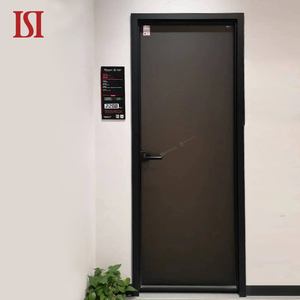
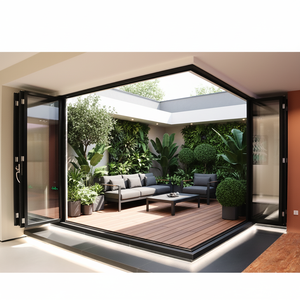
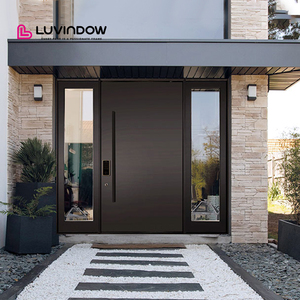
The architectural interior door sector is experiencing a permanent structural shift. Commercial real estate developers, hotel group buyers, and luxury residential architects are rapidly phasing out traditional solid wood, MDF, and hollow-core interior doors in favor of precision-engineered aluminum interior doors. Driven by stricter global building performance codes, stringent acoustic insulation targets (STC 35 to STC 45), and the demand for zero-formaldehyde, 100% recyclable building envelope components, high-grade extruded aluminum fenestration has become the default benchmark for modern interior space division.
Information Gain Insights: Unlike wood composite doors that swell, warp, or degrade in high-humidity microclimates (such as coastal villas, luxury bathrooms, or tropical commercial resorts), 6063-T5/T6 architectural aluminum alloy maintains zero dimensional expansion (0.00% volumetric swell) under 100% relative humidity. Furthermore, high-tensile aluminum interior doors eliminate maintenance cycles while providing superior structural resistance to high-frequency usage in hospitality and commercial office environments.
When sourcing from China's top tier aluminum door factories, international procurement directors must evaluate technical metrics beyond surface aesthetics. Essential procurement benchmarks include metallurgical alloy purity, polyamide thermal break integration (PA66-GF25), fluorocarbon finish durability (AAMA 2605 compliant), and cycle-tested concealed hardware reliability.