Core Export Product Showcase & Architectural Fenestration Systems
Explore top-tier aluminum windows, doors, and structural glass enclosures engineered for international residential, commercial, and luxury villa projects.
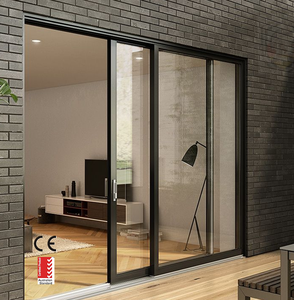
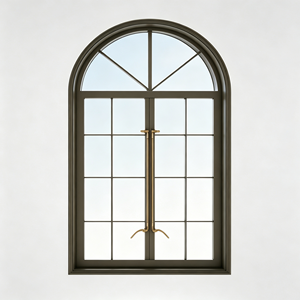
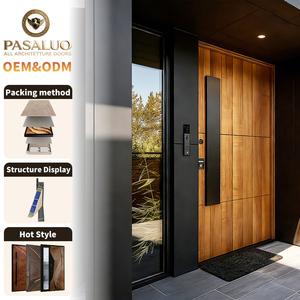
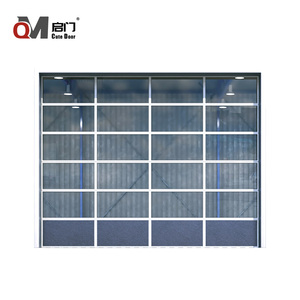
Executive Market Intelligence: The Shift Toward China's Aluminium Tilt Turn Window Ecosystem
In modern architectural engineering, fenestration is no longer considered merely an aesthetic closure; it is a critical building-envelope subsystem directly influencing a structure's operational energy consumption, structural resilience, acoustic isolation, and life-cycle maintenance cost. Among the diverse array of window operating mechanisms globally, Aluminium Tilt and Turn Windows (popularized by European building codes) have emerged as the gold standard for high-performance residential and commercial real estate development.
Historically dominated by German and Italian system houses, the global supply chain for tilt and turn fenestration has undergone a structural transformation over the past decade. China’s advanced extrusion clusters, precision CNC machining infrastructure, and vertically integrated surface-treatment lines have positioned premier Chinese original equipment manufacturers (OEMs) and original design manufacturers (ODMs) at the forefront of international export trade. Importers, facade contractors, architects, and estate developers across North America, Europe, Australia, and the Middle East increasingly source tilt and turn systems from China to achieve significant procurement cost efficiencies (30% to 50% savings) without sacrificing compliance with ASTM, NFRC, CE, or AS2047 standards.
This comprehensive B2B procurement whitepaper analyzes the technical engineering fundamentals, material specifications, future design trends, factory audit protocols, and sourcing best practices required to successfully partner with top-tier China aluminum tilt turn window exporters.
Technical Anatomy & Engineering Specifications of Premium Tilt Turn Windows
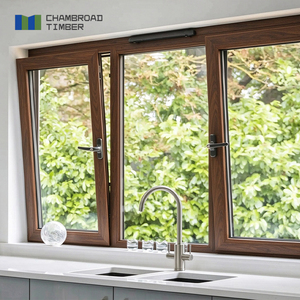
A dual-action tilt and turn window operates through a sophisticated perimeter gear transmission driven by a single ergonomic handle. Turning the handle 90 degrees enables the sash to tilt inward from the top, creating a secure, draft-free micro-ventilation gap (typically 100mm to 150mm) ideal for ambient air exchange without rain ingress or intruder risk. Turning the handle 180 degrees swings the sash inward on side hinges like a conventional casement window, facilitating 100% full-aperture ventilation and safe exterior glass cleaning from within the interior room.
1. Structural Extrusion Profile Alloys & Wall Thickness
High-performance Chinese export factories utilize primary marine-grade 6063-T5 or 6063-T6 aluminum alloy extrusions. Unlike secondary recycled scrap metal which compromises tensile yield strength, primary 6063 alloy guarantees uniform structural rigidity under wind loads exceeding 3,000 Pascals (Pa). For international project specifications:
- Residential Standards: Nominal profile wall thickness ranges between 1.4mm and 1.8mm.
- High-Rise Commercial & Extreme Wind Zones: Reinforced structural mullions and frames specify wall thicknesses of 2.0mm to 3.0mm, adhering to AAMA 101/I.S.2/A440 regulations.
2. Multi-Chambered Thermal Barrier Strips (PA66-GF25)
Aluminum possesses high natural thermal conductivity (approx. 200 W/m·K). To achieve thermal insulation compliance in cold northern climates or extreme hot desert environments, top Chinese factories employ Thermal Break Extrusion Systems. The outer aluminum frame is structurally joined to the inner profile via low-conductivity Polyamide strips reinforced with 25% glass fiber (PA66-GF25).
Multi-chambered thermal break profiles engineered with aerogel inserts or polyurethane foam insulation can reduce overall system thermal transmittance ($U_w$) down to values below 0.8 to 1.2 W/m²·K (Passive House compliant).
3. Perimeter Multi-Point Locking Kinematics & Hardware Integration
The structural integrity and security rating (PAS 24 / RC2 / RC3 resistance classes) of a tilt turn window rely entirely on hardware precision. Leading Chinese exporters partner with global hardware manufacturers (e.g., German Siegenia, Roto Frank, Hoppe) as well as tier-one domestic architectural hardware giants (e.g., Hopo, CMECH, Kin Long).
Perimeter mushroom-head locking cams lock into heavy-duty zinc-alloy or stainless-steel keepers at 4 to 8 points along the sash boundary. When closed, the multi-point compression pulls the sash uniformly against continuous co-extruded ternary EPDM weather-stripping gaskets, virtually eliminating air infiltration and acoustic leakage.
Technical Specification Matrix: Standard vs. Premium Export Grade
| Engineering Metric | Standard Commercial Grade | High-Performance Export Grade (Passivhaus / Cyclone) |
|---|---|---|
| Aluminum Profile Alloy | 6063-T5 (1.4mm Wall) | 6063-T6 / 6061-T6 (2.0mm - 3.0mm Structural Wall) |
| Thermal Break Strip | 14.8mm - 24mm Nylon Strip | 34mm - 54mm Multi-Chamber PA66-GF25 + Aerogel Core |
| System U-Factor ($U_w$) | 1.8 - 2.2 W/m²·K (0.32 - 0.38 BTU/hr·ft²·°F) | 0.75 - 1.1 W/m²·K (0.13 - 0.19 BTU/hr·ft²·°F) |
| Glazing Unit (IGU) | 5mm + 12A + 5mm Double Glazed Low-E | 6mm + 16Ar + 6mm + 16Ar + 6mm Triple Glazed Low-E / Laminated |
| Water Tightness (Pa) | 300 - 450 Pa (Class 7A / 9A) | 700 - 1050 Pa (Class E1050 / Hurricane Rated) |
| Acoustic Isolation (STC / Rw) | STC 32 - 35 dB | STC 42 - 48 dB (Acoustic Laminated PVB Interlayer) |
| Hardware Cycle Life | 20,000 Cycles | 50,000+ Cycles (EN 1191 Grade 4 Heavy Usage) |
Future Procurement Trends & Innovations in Aluminium Fenestration
As international energy mandates tighten (such as the European Union’s Energy Performance of Buildings Directive and North America’s updated Energy Star v7.0 specifications), architectural demand for next-generation fenestration is shifting rapidly. Importers and commercial buyers sourcing from China must align their product portfolios with these key micro-trends:
1. Minimalist Sightlines & Concealed Hardware
Architects increasingly demand ultra-slim frame profiles with hidden interior hinges. Concealed tilt & turn hinge sets carry sash weights up to 180kg while remaining completely invisible when the window is closed, delivering clean architectural lines for modern residential estates.
2. Motorized Smart Home Automation
Integration of hidden electromechanical chain actuators enables tilt turn windows to open automatically via environmental sensors (CO₂ levels, rain detection, temperature) or central Building Management Systems (BMS) utilizing Zigbee, KNX, or Matter protocols.
3. High-Durability Fluorocarbon (PVDF) Surface Coating
For coastal or desert developments, standard powder coating can degrade under solar UV radiation and salt spray corrosion. Export factories now specialize in Qualicoat Class 2 / Class 3 thermosetting powder coatings and 3-coat PVDF fluorocarbon coatings capable of passing 3,000-hour salt spray endurance tests.
B2B Vendor Selection Guide: How to Audit Chinese Window Manufacturers
Evaluating potential supply partners in China requires a systematic quality audit framework. Buyers should look beyond sales brochures and evaluate a factory's structural engineering capabilities, machinery automation, and quality control protocols.
Crucial Factory Audit Metrics:
- CNC Automated Machining & Corner Crimping Precision: Verify whether the manufacturer utilizes 4-axis or 5-axis CNC machining centers (e.g., Elumatec or FOM Industrie) for hardware milling. Corner joints must feature heavy-duty mechanical corner cleat crimping paired with two-component corner sealants (such as German Weiss Weissglue) to prevent water penetration at frame miters.
- In-House Testing Laboratories: Leading exporters operate certified physical testing chambers capable of measuring water penetration, air leakage, and static/dynamic wind load resistance up to 5,000 Pa before third-party certification audits.
- Glass Processing Capabilities: Ensure insulating glass units are assembled in automated clean-room environments equipped with automated desiccant filling, primary butyl sealing, and secondary structural silicone application (Dow Corning or Tremco).
- Packaging & Export Protection Protocols: International transit risk requires protective film wrap, corner guards, fumigated wooden crates, or steel A-frame racks for safe container unloading via forklift.
Factory Capabilities & OEM/ODM Manufacturing Excellence
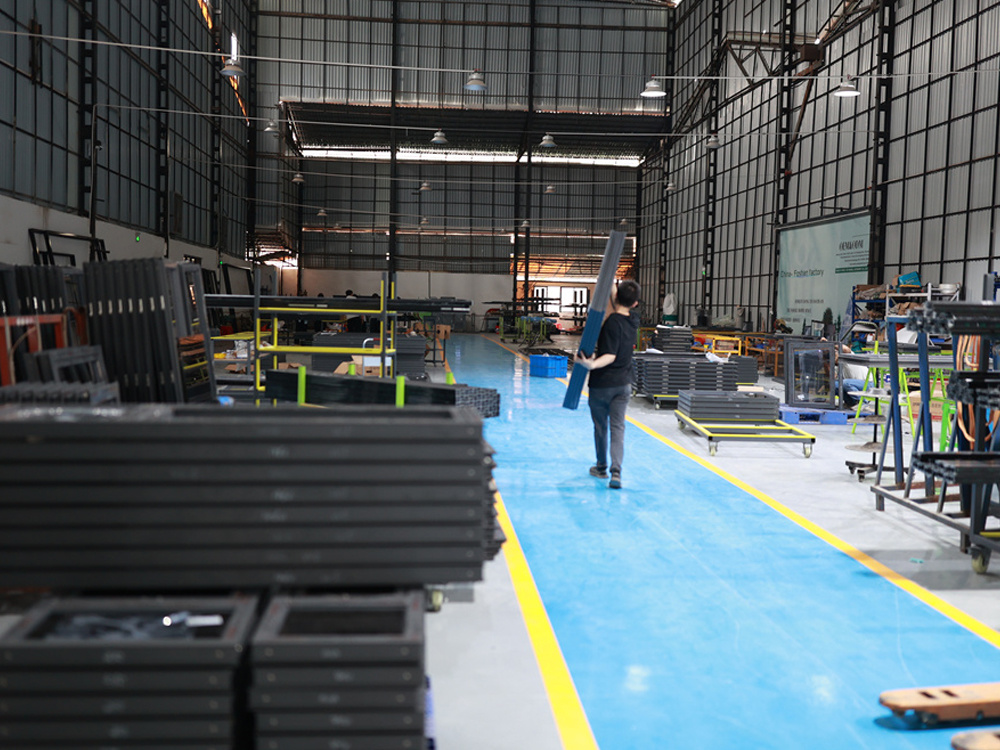
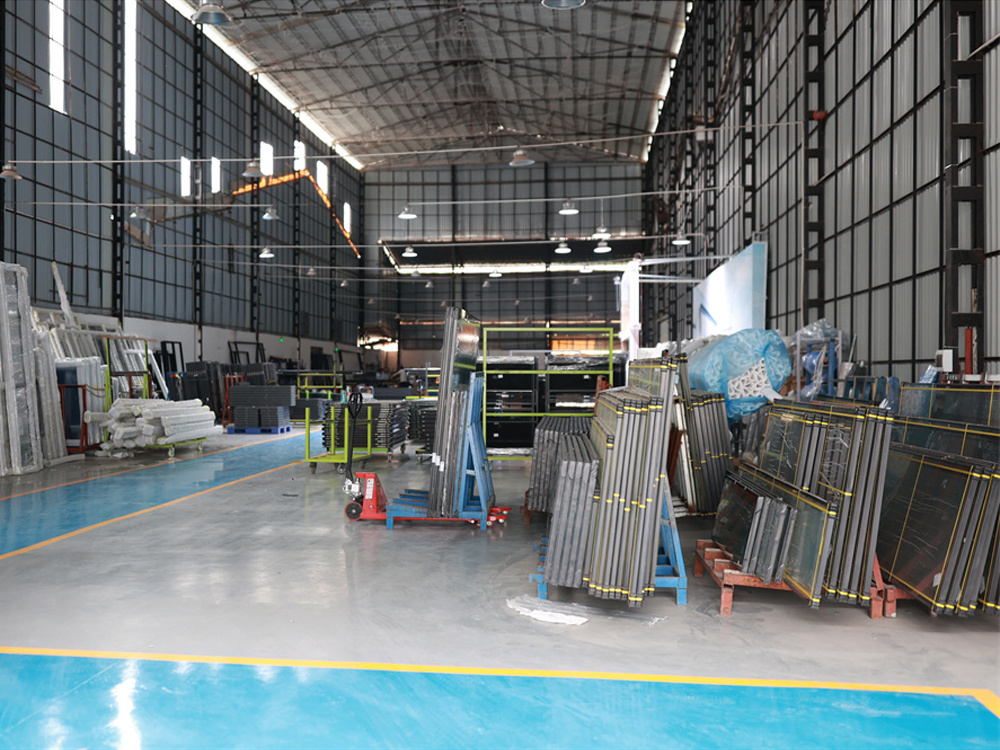
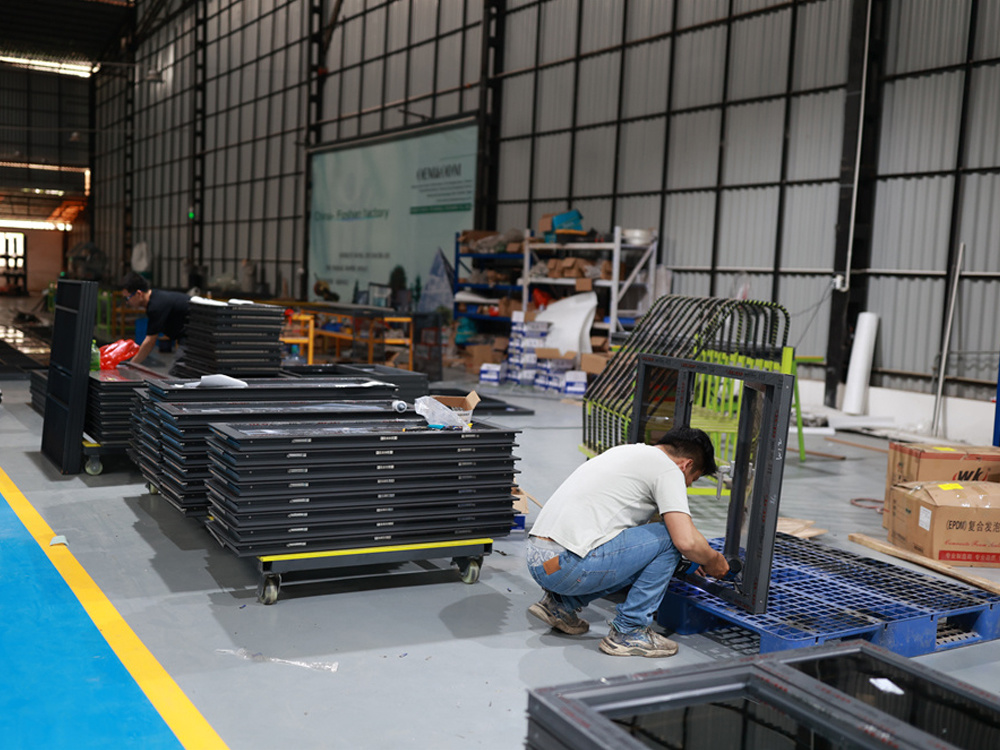
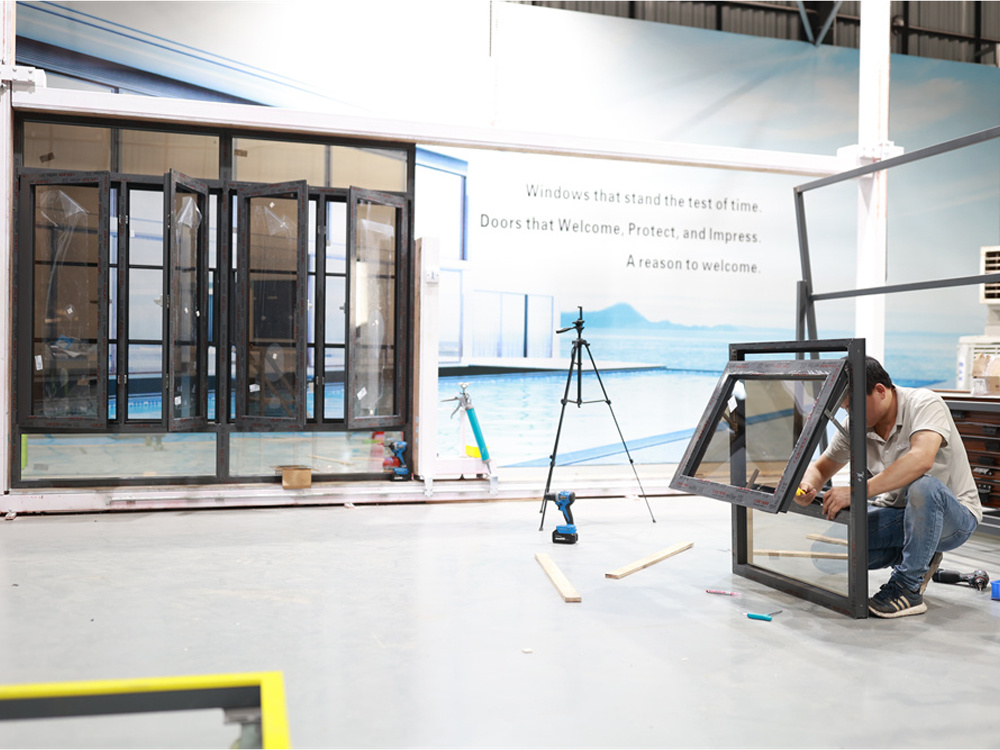
As a recognized industry leader in high-performance architectural fenestration, Changsha Wincraft Aluminum Window Tech Co., Ltd. operates as a fully integrated building-materials manufacturer and exporter. Specializing in customized aluminum doors, tilt & turn windows, thermal-break sliding systems, sunrooms, and garden pavilions, Wincraft delivers complete turnkey solutions tailored to the exacting specifications of global B2B buyers.
From architectural drafting and system engineering to high-precision mass production, strict quality assurance, and global export shipping logistics, Wincraft maintains single-point accountability. Every order is executed by a dedicated project engineering team, ensuring that physical window build-ups remain 100% compliant with approved shop drawings and local structural building codes.
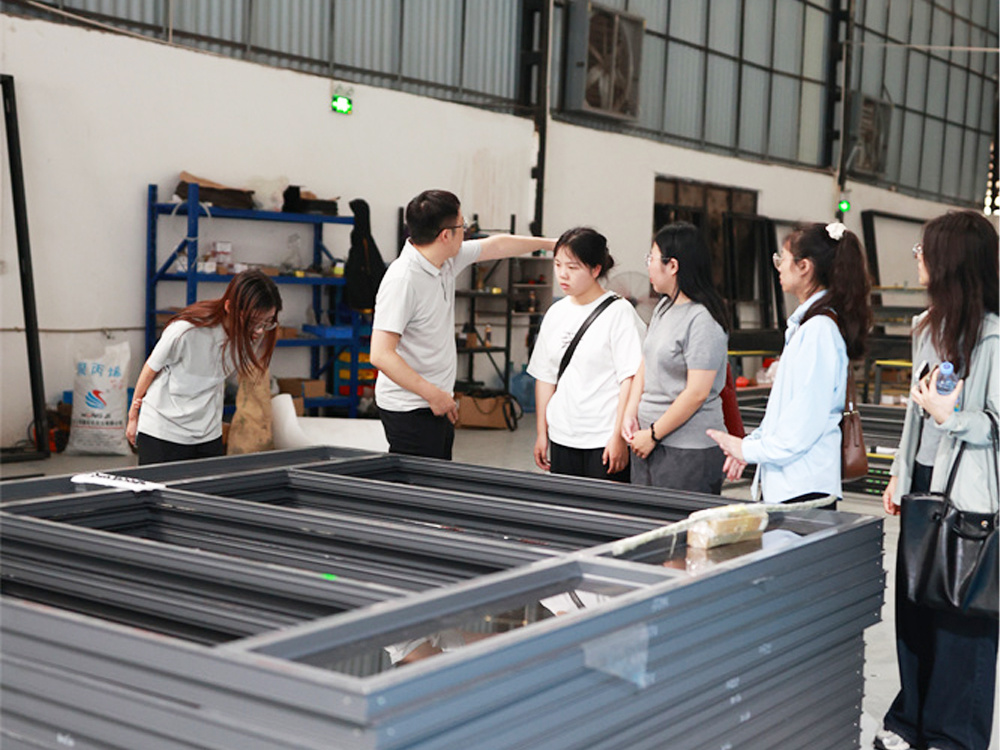
Inside Our Intelligent Production Base

Global B2B Procurement FAQ: Technical & Sourcing Inquiries
Direct answers to common technical, commercial, and logistics questions raised by international importers, facade consultants, and general contractors during factory evaluation.
Q1: Why select Aluminium Tilt & Turn Windows over standard outward-opening casement or sliding systems?
Tilt & turn windows combine dual operational modes within a single sash. The top-tilt function allows secure micro-ventilation during rain or while occupants are away without risking unauthorized entry. The inward-turn function provides maximum opening area for rapid air exchange and allows occupants to safely clean external glass surfaces from inside high-rise buildings. Furthermore, multi-point compression locking provides superior airtightness, water tightness, and sound reduction compared to traditional sliding systems.
Q2: Do you accept custom OEM/ODM production according to project-specific architectural drawings?
Yes. We specialize in custom OEM/ODM orders. Our engineering department works directly from your CAD drawings, BIM models, or architectural elevation sheets. We provide private labeling, custom extrusion profile die development, custom surface finishes (RAL powder coating, anodizing, wood-grain heat transfer), and specialized packaging tailored to distributor brands or specific estate construction projects.
Q3: How do your tilt turn windows meet energy codes such as NFRC, CE, or Australian AS2047?
Our systems utilize multi-chambered polyamide thermal break strips (PA66-GF25), double or triple insulating glass units (IGU) featuring Low-Emissivity coatings, warm-edge spacer technology, and argon gas fill. Before mass production, our structural engineers run thermal modeling simulations (LBNL THERM/WINDOW) to ensure specified overall U-factors, Solar Heat Gain Coefficients (SHGC), and structural wind pressure ratings comply with target destination codes.
Q4: What hardware brands do you integrate into your aluminum tilt turn windows?
We provide flexible hardware configurations based on client preference and budget requirements. Options include premium European hardware systems (such as German Siegenia, Roto Frank, Hoppe, Sobinco) as well as top-tier Chinese precision hardware brands (such as Hopo, CMECH, Kin Long). All hardware sets undergo strict salt spray corrosion testing and cycling tests up to 50,000 opening operations.
Q5: What is your standard production lead time and sample prototyping timeline?
Design proposals, 3D renderings, and initial shop drawings are delivered within 24 hours of receiving project parameters. Once shop drawings and structural details are approved, standard production lead time is approximately 4 weeks. For large multi-phase real estate projects, production and container deliveries are scheduled in batches according to your jobsite installation schedule.
Q6: How are fragile glass panels and custom aluminum frames protected during ocean freight transport?
All export products undergo multi-layer protective packaging: protective anti-scratch film on aluminum surfaces, protective corner guards, bubble wrap, and full enclosure within heat-treated fumigated wooden crates or heavy-duty steel A-frames. Containers are packed with moisture-absorbing desiccants and secured with heavy-duty structural strapping to withstand ocean vessel movement.
Q7: Can your tilt & turn window systems incorporate integrated flyscreens or hurricane impact glass?
Yes. We offer integrated stainless steel security mesh screens (304 or 316 marine grade), retractable insect nets, and motorized blinds. For cyclone or hurricane-prone coastal regions (such as Florida, the Caribbean, or Northern Australia), we engineer impact-resistant tilt turn windows using heavy-wall extrusions and laminated toughened glass with PVB or SentryGlas (SGP) interlayers capable of passing severe missile impact tests.
Q8: What warranty and technical support do you offer after shipment arrival?
We provide a 10-year structural warranty on aluminum extrusions, a 5-year warranty on insulating glass units against seal failure, and up to 5 years warranty on operating hardware. Our engineering support team provides step-by-step installation manuals, video guidance, and direct remote technical consultation for on-site installation teams.
Ready to Partner with China's Premier Aluminium Fenestration Factory?
Whether you require a custom OEM profile design, a bulk procurement quotation for an upcoming commercial development, or technical drawing reviews, our engineering team is ready to assist.
Inquire Now