Featured Architectural Kitchen Window Systems
Engineered specifically for high-grease, humid, and thermal-demanding residential and commercial kitchen environments. Fully customizable profiles, finishes, and high-performance insulated glass configurations.
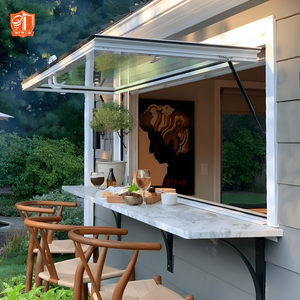
Modern Design Aluminum Frame Swing Louver Magnetic Screen Kitchen Pass Through Window Gas Strut Servery Window
- Heavy-duty hydraulic gas strut arm mechanism
- Magnetic retractable insect screening system
- 90° full opening for seamless indoor-outdoor counter service
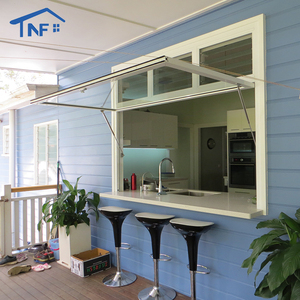
Aluminum Gas Strut Awning Window Double Glazed Glass Aluminum Windows For Kitchen
- Double-glazed Low-E insulated glass unit
- Weatherproof outward awning shelter design
- Custom powder-coated 6063-T5 aluminum frame
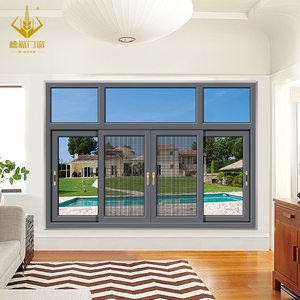
Customizable Double Glazed Sliding Window Kitchen Living Room Soundproof Energy Star Qualified Aluminum Alloy Horizontal
- Energy Star certified thermal break profile
- High-STC soundproof double glass assembly
- Stainless steel anti-friction roller tracks
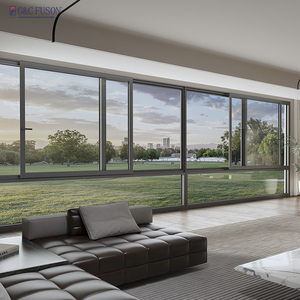
Fuson Drift Window Kitchen Balcony Double Glazed Aluminum tilt and turn Window Drifting Windows
- Dual ventilation modes: Tilt top or swing inward
- Multi-point perimeter compression locking system
- Draft-proof triple continuous EPDM gaskets
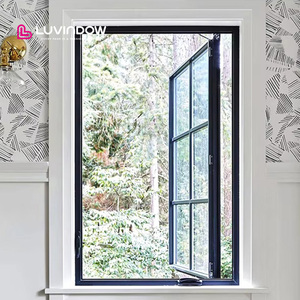
Minimalist Style Easy Operate Crank Casement Window Aluminum Frame for Kitchen Apartment Luxury Villa Installations
- Effortless stainless steel crank gear operator
- Ultra-slim frame profiles for maximum light transmission
- Ideal for over-the-sink kitchen placement
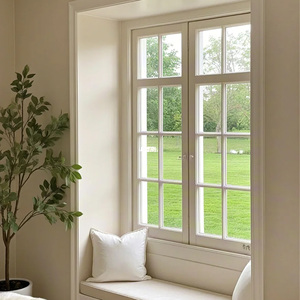
Customized Modern Stainless Steel French Window Soundproof Window for Kitchen and Living Room Aluminium Material for windows
- Double-door architectural opening with no center mullion
- High-grade 304 stainless steel mesh screen options
- Superior acoustic damping up to 42 dB sound isolation
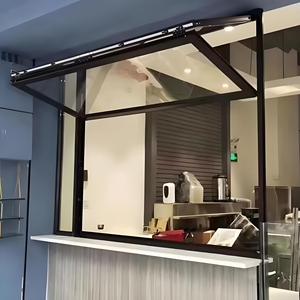
Exterior Aluminum Bifold Window Push-up Folding Windows Soundproof Double Glazed Window for Kitchen
- Push-up & concertina side-folding mechanism
- 100% unobstructed view for outdoor bar integration
- Heavy-duty top-hung bearing rollers
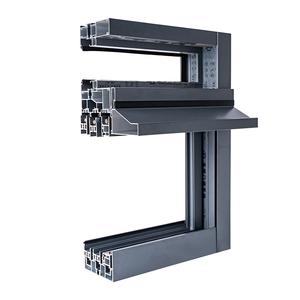
Hot Selling Aluminum Profile Sliding Casement Windows Doors System And Double Pane Door Windows For Home
- Multi-functional frame system for custom residential builds
- Double-pane Argon gas insulated glass unit
- Scratch-resistant fluorocarbon PVDF powder coating
The Engineering Paradigm Shift in Modern Architectural Kitchen Fenestration
Over the past decade, kitchen spaces in modern luxury villas, high-rise apartments, and commercial hospitality settings have transformed from isolated utilitarian service areas into vibrant focal points of residential architecture. This evolution has driven demand for high-performance architectural fenestration solutions. Selecting the correct window profile, glass assembly, and opening hardware is critical due to severe environmental pressures unique to kitchens: high moisture, airborne cooking oils, thermal shock, intense solar exposure, and frequent mechanical operation.
As a premier OEM/ODM manufacturer in China, Changsha Wincraft Aluminum Window Tech Co., Ltd. spearheads this architectural evolution. Our engineering team combines high-grade extruded aluminum alloys, specialized multi-chamber thermal breaks, and advanced surface coating technologies to resolve traditional fenestration weaknesses—such as frame warping, seal degradation, hardware corrosion, and thermal bridging.
1. Material Science: Alloy Selection & Anti-Corrosion Surface Engineering
Standard architectural windows often fail in kitchen environments because airborne vapor laden with cooking oils, salt, and cleaning chemicals degrades unrefined metal finishes and organic rubber gaskets. Wincraft structural systems use prime 6063-T5 architectural-grade aluminum extrusion profiles, engineered to strict ASTM B221 standards. 6063-T5 alloy provides an optimal tensile strength exceeding 185 MPa and yield strength over 110 MPa, ensuring exceptional structural rigidity under intense wind load stress.
To eliminate surface degradation from humidity and grease, our factory applies industrial-grade PVDF (Fluorocarbon) resin coatings or AAMA 2605 compliant electrochemically anodized finishes. Unlike basic powder coatings that peel or yellow under grease exposure, our electrostatic coating line produces a 40–80 micron protective barrier resistant to salt spray testing exceeding 3,000 hours (ASTM B117), chemical cleaners, and UV radiation.
Engineering Fact: Standard PVC or wooden window frames exhibit thermal expansion coefficients up to 3x higher than 6063-T5 aluminum alloys. High kitchen temperatures cause non-aluminum frames to warp, compromising airtight seals and causing operation jams. Wincraft thermal-break aluminum profiles maintain structural tolerances within 0.1mm across a temperature range of -40°C to +80°C.
2. Thermal & Acoustic Barrier Technology
Kitchen spaces frequently suffer from major thermal energy loss due to large expanses of glass. Modern energy codes (such as US Energy Star, European CE EN 14351-1, and Australian AS2047) mandate rigorous U-factors and Solar Heat Gain Coefficients (SHGC). Wincraft addresses thermal performance by incorporating imported Polyamide PA66 GF25 (25% Glass Fiber Reinforced) thermal break strips inserted between inner and outer extruded aluminum profiles.
This multi-chamber thermal break barrier interrupts heat conduction paths. Paired with dual-sealed double or triple-glazed Low-E insulated glass units (IGUs) filled with 90%+ pure Argon gas, our window systems achieve overall thermal transmittance values as low as U-factor ≤ 1.4 W/m²·K (0.24 BTU/h·ft²·°F) and Sound Transmission Class ratings reaching STC 42 dB, isolating internal living spaces from ambient urban noise.
Wincraft OEM / ODM Fast-Track Procurement
We bridge the gap between complex architectural design and direct factory manufacturing. Importers and general contractors receive turnkey engineering support.
- ▸ 24-Hour CAD/BIM Shop Drawings
- ▸ Custom Profile Extrusion & Color Match
- ▸ Standard ~4-Week Lead Time
- ▸ Full Export Logistics & Packing
Manufacturing Capacity & Corporate Expertise
Changsha Wincraft Aluminum Window Tech Co., Ltd. operates a high-precision manufacturing hub, ensuring global B2B buyers receive consistent build quality and structural integrity.
Automated CNC Precision Assembly
Our facility utilizes automated double-head CNC cutting saws, precision corner-crimping machinery, and automated glass bonding lines. Frame corner tolerances are held within tight margins to guarantee water-tightness under driving rain conditions up to 700 Pa.
Total Quality Management (TQM)
Every kitchen window unit undergoes rigorous testing prior to crating: air infiltration checks (ASTM E283), structural wind load pressure testing (ASTM E330), operational cycles test (over 50,000 opening cycles), and coating thickness verification.
Global Export Crating & Logistics
To protect high-finish aluminum profiles and glass units during long-distance ocean freight, windows are protected with anti-scratch PE film, corner corner-guards, desiccant bags, and enclosed in heat-treated fumigated plywood crates.
Engineering Specification Comparison Matrix
Compare core physical performance characteristics across our main architectural kitchen window categories to streamline project specification.
| Window System Category | Profile Alloy & Wall Thickness | Thermal Break Strip | Glazing Options | Airtightness & Water Rating | Primary B2B Application |
|---|---|---|---|---|---|
| Gas Strut Pass-Through Servery | 6063-T5 Aluminum (2.0mm - 2.5mm) | PA66 GF25 Polyamide | 5mm+12Ar+5mm Tempered Low-E | Water: 450 Pa / Wind: 3.0 kPa | Patio Bar Counters, Indoor-Outdoor Kitchens |
| Gas Strut Awning Window | 6063-T5 Aluminum (1.6mm - 2.0mm) | Multi-Chamber PA66 | 6mm+15Ar+6mm Double Insulated | Water: 600 Pa / Wind: 4.5 kPa | Over-Sink Kitchen Ventilation, Rain Shelter |
| Acoustic Double Glazed Sliding | 6063-T5 High Rigid (1.4mm - 1.8mm) | Standard Strip / Non-Thermal | 5mm+9A+5mm Soundproof Laminated | Water: 350 Pa / Wind: 2.5 kPa | Urban Apartment Kitchens, Compact Space |
| Tilt & Turn Drifting System | 6063-T5 Heavy Profile (2.0mm) | 24mm PA66 Insulation | 5mm+12Ar+5mm+12Ar+5mm Triple IGU | Water: 700 Pa / Wind: 5.0 kPa | Cold-Climate Luxury Villas, Passive Houses |
| Crank Casement Window | 6063-T5 Minimalist Profile (1.6mm) | PA66 Polyamide Barrier | 5mm+14Ar+5mm Low-E Glazing | Water: 500 Pa / Wind: 3.5 kPa | Hard-to-Reach Counter Placement, Modern Condos |
| Exterior Bifolding Pass-Through | 6063-T5 Structural Profile (2.0mm) | Continuous Thermal Strip | 6mm+12Ar+6mm Toughened Glass | Water: 400 Pa / Wind: 3.0 kPa | Restaurant Servery, Commercial Outdoor Dining |
Emerging Architectural & Procurement Trends (2025–2030)
Key technological shifts shaping commercial and residential kitchen window specification globally.
Indoor-Outdoor Kitchen Integration (Servery Windows)
Residential architectural layouts increasingly merge indoor kitchens with outdoor patio dining spaces. Gas-strut push-up awning windows and fold-up bifold windows act as seamless servery counters. Demand for gas strut hardware engineered to support heavy double-glazed panels up to 80 kg per sash has grown exponentially across Australia, North America, and Coastal Europe.
Ultra-Slim Sightline Minimalist Profiles
Modern architectural trends favor hidden sashes and narrow visible frame width (down to 25mm–35mm sightlines). By concealing aluminum frames inside surrounding wall structures, architects maximize natural daylighting in kitchen prep areas while using high-strength aluminum alloys to support structural glass loading.
Smart Motorization & Integrated Micro-Ventilation
Automated motorized chain actuators integrated with smart home automation systems are becoming standard in high-end projects. Micro-ventilation position locks allow steam and oil vapors to exhaust continuously without lowering building security, while automated rain sensors close windows instantly during sudden downpours.
High-Efficiency Thermal & Solar Control Glazing
With stringent energy codes penalizing thermal leaks, double and triple-glazed units with spectrally selective Low-E coatings (SHGC < 0.28, Visible Light Transmittance > 65%) are required. Warm-edge composite glass spacers replace traditional aluminum spacer bars to minimize perimeter condensation near kitchen sinks.
Frequently Asked Questions (FAQ)
Clear technical guidance on compliance, order workflows, engineering customization, and international logistics.
Accelerate Your Project with Direct Factory Fenestration Engineering
Request a comprehensive product catalog, customized quotation, or direct engineering consultation for your upcoming residential or commercial development.