Featured Aluminum Fenestration & Door Systems
Direct factory supply featuring thermal-break engineering, modern minimalist profiles, security entrance systems, and custom space-saving folding mechanisms for global B2B buyers.
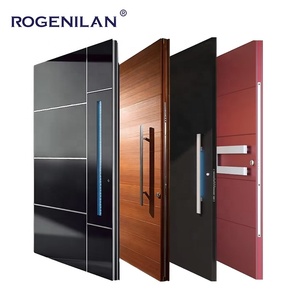
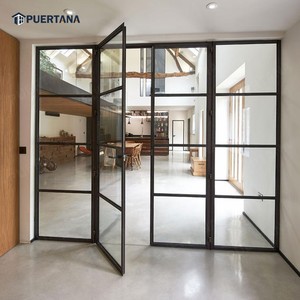
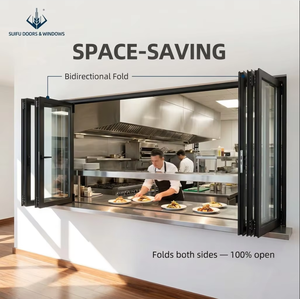
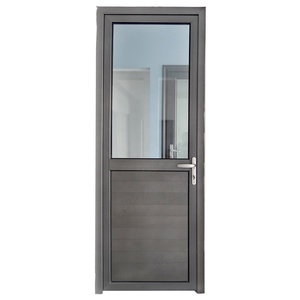
Engineering Principles of Modern Aluminum Tambour Door Systems
In contemporary architectural fenestration, commercial interior design, and industrial equipment manufacturing, aluminum tambour doors (also recognized as aluminum slat roller shutter doors or flexible roll-up cabinet doors) represent a sophisticated balance of space optimization, structural integrity, and ergonomic mechanical operation. Unlike traditional swing doors or horizontal sliding panels that require extensive clearance radiuses, aluminum tambour doors coil seamlessly into hidden overhead or side roller cassettes.
Structural Alloy Grade
Manufactured using high-density 6063-T5 or 6063-T6 extruded aluminum alloy. Yield strength exceeding 170 MPa ensures exceptional resistance to mechanical deformation and impact.
Acoustic Damping Tracks
Precision-milled side guide rails fitted with continuous neoprene or co-extruded EPDM weather-stripping felt strips to minimize operational noise below 45 dB.
Spring-Tensioned Actuation
Integrated counterbalanced spiraled torsion spring roller drums provide smooth manual glide dynamics, supporting both vertical roll-up and horizontal sliding track geometries.
Comparative Engineering Evaluation Matrix
When evaluating commercial door hardware for architectural specifications, B2B procurement teams must analyze structural longevity, fire rating, thermal expansion coefficient, and total cost of ownership. The table below illustrates why leading Chinese manufacturing factories prioritize extruded aluminum over wood or PVC alternatives.
| Engineering Property | Extruded Aluminum Slats (6063-T5) | Traditional PVC / Plastic Slats | Solid Hardwood Tambour |
|---|---|---|---|
| Tensile Strength | High (200 - 240 MPa) | Low (30 - 50 MPa) | Medium (50 - 80 MPa) |
| Moisture & Corrosion Resistance | 100% Waterproof (Anodized / PVDF) | High (Prone to UV Degradation) | Poor (Warping & Swelling Risk) |
| Fire Safety Rating | Class A1 Non-Combustible | Combustible (Toxic Fumes) | Combustible (Class B/C) |
| Dimensional Tolerance | ±0.15 mm (CNC Precision) | ±0.80 mm | ±1.20 mm |
| Mechanical Fatigue Endurance | > 100,000 Cycles | 15,000 - 20,000 Cycles | 25,000 - 30,000 Cycles |
| Surface Finish Variety | Anodized, Metallic Powder Coat, Wood Grain Transfer | Basic Solid Colors | Varnish / Stain Only |
Future Sourcing & Manufacturing Trends (2025–2030)
Key industry shifts driving demand for Chinese aluminum tambour door manufacturers and architectural fenestration exporters.
1. Micro-Slat Aesthetic Integration
Architects are abandoning bulky traditional shutters in favor of ultra-slim, micro-slat profiles (15mm to 25mm height). These slats provide a flush, seamless metallic facade ideal for luxury kitchen appliances, high-end hotel credenzas, and modern office storage units.
2. Smart Motorization & IoT Controls
The integration of ultra-quiet 24V DC tubular motors connected to RS485 / Zigbee smart building management networks allows automated opening via proximity sensors, remote mobile applications, or voice control systems in commercial environments.
3. Decarbonized Low-Carbon Alloys
Global architectural standards require environmental product declarations (EPD). Modern factories in Changsha and Guangdong are adopting recycled aluminum extrusion billets processed using renewable hydro-electric energy, slashing carbon footprints by up to 65%.
Why Source from Changsha Wincraft Aluminum Tech Co., Ltd.?
As a premier Chinese manufacturer specializing in custom aluminum doors, windows, sunrooms, and structural rolling slat systems, Wincraft bridges advanced German manufacturing standards with cost-effective Chinese production scalability.
Full-Spectrum OEM & ODM Customization
From custom extrusion die development to specialized anodizing surface treatments (Champagne Gold, Matte Black, Anodized Bronze, Real Wood Grain Powder Transfers), our engineering unit tailors every dimension to match client CAD/BIM specifications precisely.
Rigorous Quality Assurance Protocol
Every batch undergoes strict 6-stage QC inspection: raw billet spectro-analysis, profile thickness measurement via micro-calipers, 1000-hour neutral salt spray testing (ISO 9227), surface coating adhesion cross-hatch testing, and 100% pre-shipment assembly trial.
Frequently Asked Questions
Technical clarity on procurement, engineering capabilities, customization options, and global export shipping logistics.
Extruded aluminum tambour doors constructed from 6063-T5 structural alloy deliver superior mechanical durability, structural rigidity, and non-combustible Class A fire safety ratings. Unlike plastic slats, aluminum will not discolor, brittle, or warp under intense UV rays or thermal fluctuations. Compared to solid wood, aluminum is entirely impervious to moisture, swelling, mold, and termite damage, making it the ideal long-term engineering choice for commercial kitchens, medical cabinets, luxury vehicles, and high-traffic architectural spaces.
Yes, absolutely. We operate a full-service OEM/ODM technical division capable of opening custom aluminum extrusion dies based on client drawings. We support custom slat heights (ranging from ultra-thin 15mm slats to heavy-duty 50mm commercial profiles), track geometries (vertical roll-up, horizontal slide, or custom L-shaped flex paths), and surface treatments including anodization (15-25μm thickness), AkzoNobel powder coating, and thermal transfer wood grain finishes matched to RAL color codes.
Standard customized orders are processed and manufactured within approximately 4 weeks (28 calendar days) following technical CAD drawing approval and deposit confirmation. For large-scale multi-unit commercial or residential construction developments, production schedules can be staggered into batched container shipments synchronized with your project's installation timeline. Express sample prototyping can be expedited in as fast as 10 business days.
We utilize export-grade multi-layer protective packaging. Every individual aluminum slat and guide track is wrapped in protective scratch-resistant PE film, cushioned with shock-absorbing EPE foam, and encased within heavy-duty corrugated cartons. For complete container shipments or LCL orders, goods are secured inside fully sealed ISPM-15 compliant fumigated wooden crates or steel-framed pallets to withstand maritime moisture and transit vibrations.
Simply submit your architectural drawings, project bill of quantities (BOQ), or technical dimensions to our engineering desk. Our team delivers comprehensive technical proposals, preliminary 24-hour design renderings, and factory-direct wholesale quotations tailored to your exact specifications.
Request Full Product Catalog & Technical Specifications
Partner with China's leading architectural fenestration manufacturer. Connect with our engineering sales specialists today to receive instant access to full technical drawings, sample kits, and factory-direct B2B pricing.
Get Catalog