Featured Commercial Fenestration & Door Systems
Precision-engineered architectural aluminum profiles customized for global B2B procurement, high-traffic commercial storefronts, and luxury residential projects.
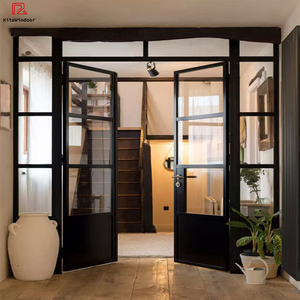
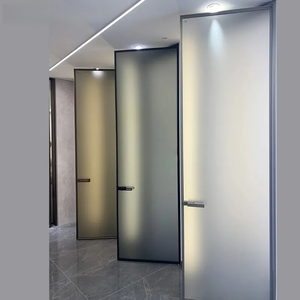
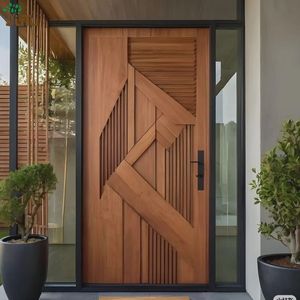
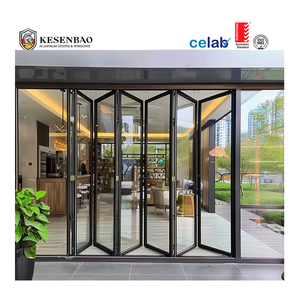
Strategic Industry Insights: Commercial Fenestration & Storefront Engineering
Modern retail infrastructure and commercial real estate demand far more than mere aesthetics. In the era of high-performance architectural envelopes, selecting Top Trusted Aluminium Shop Front Windows Suppliers & Exporters requires a rigorous evaluation of structural load resilience, thermal isolation efficiency, atmospheric corrosion resistance, and total cost of ownership (TCO). This comprehensive whitepaper explores the material science, manufacturing methodologies, market trends, and procurement strategies essential for global architects, main contractors, and commercial developers.
1. The Evolution of Commercial Storefront & Shop Front Window Systems
Commercial entrance and facade systems have undergone a monumental paradigm shift over the past decade. Historically regarded simply as passive physical barriers, contemporary aluminum shop front windows act as intelligent building skins capable of modulating thermal transfer, optimizing natural daylight harvesting, providing high-level intrusion deterrence, and defining brand identity for luxury retail and commercial complexes.
Aluminum (specifically primary architectural extrusions such as 6063-T5 and 6063-T6 alloys) has solidified its position as the ultimate material for shop front framing. Compared to legacy structural timber or cold-rolled steel, engineered aluminum extrusions deliver an unrivaled strength-to-weight ratio, phenomenal dimensional stability under extreme temperature fluctuations, and inherent immunity to rot and severe oxidation when properly surface-treated with Qualicoat-certified powder coatings or Qualanod anodizing layers.
Alloy Engineering & Structural Integrity
Utilizing high-tensile 6063-T5/T6 grade aluminum profiles with wall thicknesses ranging from 2.0mm to 3.0mm for heavy-duty commercial framing. Engineered to withstand design wind pressure loads exceeding 5.0 kPa, making them ideal for high-rise commercial podiums and hurricane-prone coastal retail zones.
Advanced Thermal Break Barriers
Incorporating multi-chambered polyamide (PA66-GF25 reinforced with 25% structural glass fiber) thermal break strips. This mechanical separation eliminates thermal bridging, lowering U-values down to ≤1.4 W/m²K, which drastically reduces HVAC energy spending for large-scale retail environments.
High-Security Glazing & Hardware
Combining heavy-gauge aluminum sub-frames with laminated toughened security glass (utilizing SentryGlas® or PVB interlayers) and multi-point security locking systems. Engineered to achieve rigorous anti-burglary ratings (RC2/RC3) and impact resistance compliance (ASTM E1996).
2. Enterprise Authority: Changsha Wincraft Aluminum Window Tech Co., Ltd.
When selecting a primary export partner for large-scale commercial fenestration packages, factory audit capability and technical expertise are paramount. Changsha Wincraft Aluminum Window Tech Co., Ltd. stands at the forefront of China's high-end fenestration manufacturing sector, providing an integrated end-to-end service framework that bridges initial architectural concept rendering with precision global delivery.
Operating out of a modern 20,000 m² automated production complex equipped with multi-axis CNC machining centers, automated corner-crimping machinery, double-headed precision cutting saws, and automated insulated glass unit (IGU) assembly lines, Wincraft maintains complete quality sovereignty. From initial profile extrusion quality checks to final pre-shipment assembly testing, every unit conforms strictly to international quality benchmarks including ISO9001, AS2047 (Australia), NFRC (North America), and CE (European Union) standards.
| Technical Parameter | Wincraft Commercial Grade Shopfront Standard | Industry Baseline / Conventional Standard |
|---|---|---|
| Extrusion Alloy Grade | 6063-T5 / T6 High-Precision Primary Aluminum Ingot | Recycled or mixed-grade secondary aluminum scrap |
| Profile Wall Thickness | 2.0mm – 3.0mm (Reinforced structural posts up to 4.0mm) | 1.2mm – 1.4mm light residential thickness |
| Thermal Insulation Strip | Technoform Polyamide PA66-GF25 (25% Glass Fiber) | Generic PVC or low-grade non-reinforced plastic strips |
| Surface Coating Spec | Fluorocarbon PVDF (3-Coat PPG) or AkzoNobel Powder Coat | Standard single-layer architectural spray paint |
| Acoustic Attenuation (STC) | STC 38 – STC 45 (With acoustic laminated IGUs) | STC 25 – STC 28 (Single pane or standard double glass) |
| Wind Pressure Resistance | Serviceability Limit State up to 5000 Pa (Design pressure) | 1500 Pa – 2200 Pa baseline residential rating |
3. Product Evolution Trends in Commercial Shop Front Windows
As commercial architecture moves toward hyper-minimalism, extreme daylighting, and carbon neutrality, the design standards for shop front windows are evolving rapidly. Procurement managers and project specification engineers must align their procurement criteria with four defining technology trends:
A. Ultra-Slim Sightline Structural Glazing
Modern luxury retail outlets, car showrooms, and flagship retail spaces require maximum glass transparency with minimal visual structural interruption. The industry has shifted toward slim-bezel aluminum framing systems where face widths are reduced to as little as 18mm to 25mm without sacrificing structural load capacities. High-moment-of-inertia mullions reinforced with steel inserts or high-wall internal aluminum ribbing allow uninterrupted floor-to-ceiling glass spans up to 6 meters in height.
B. Motorized & Automated Kinetic Storefront Openings
The boundary between indoor retail space and outdoor pedestrian arcades is increasingly fluid. Large-format motorized aluminum bi-fold doors, automated stackable sliding glass walls, and vertical bi-folding glazed panels allow commercial shopfronts to open completely during peak foot-traffic hours or favorable weather, significantly elevating foot-traffic conversion rates for hospitality and retail clients.
C. High-Performance Solar Control & Low-E Coating Integration
Glazed shopfronts exposed to direct solar radiation can transform interior commercial spaces into thermal traps, leading to soaring air conditioning expenses and merchandise degradation due to UV radiation. Modern suppliers utilize triple-silver Low-E insulated glass units (such as 6mm Solar Ban 60/70 Low-E + 12Ar + 6mm Clear Toughened) that deliver a Solar Heat Gain Coefficient (SHGC) under 0.28 while preserving Visible Light Transmittance (VLT) above 65%.
D. Enhanced Security & Storm-Resistant Hybrid Facades
Given the rise of severe weather events globally alongside commercial security considerations, export-grade shopfront windows are increasingly specified with hurricane-impact protection and anti-intrusion ratings. Utilizing heavy-duty cast aluminum components, heavy-wall extrusions, and laminated glass interlayers ensures structural survival during windstorms and prevents rapid forced entry attempts without requiring aesthetically unpleasing security grilles.
4. Future Procurement Trends for Global B2B Buyers (2026–2030)
Navigating cross-border procurement for major commercial developments requires anticipating macroeconomic, regulatory, and technical shifts in the global construction supply chain. Strategic B2B buyers must evaluate the following four future procurement trends when selecting their aluminum shop front partners:
1. EPD Certification & Green Building Compliance
Global building regulations (such as LEED v4.1, BREEAM, and the EU Energy Performance of Buildings Directive) now require Environmental Product Declarations (EPD) for structural facades. Exporters who utilize low-carbon primary aluminum smelted via hydropower and provide verifiable carbon footprint data will dominate the procurement pipeline.
2. BIM Level 2/3 Digital Integration
Paper shop drawings are rapidly being replaced by parametric Building Information Modeling (BIM) files (Revit/IFC formats). Top-tier suppliers like Changsha Wincraft provide 24-hour CAD/BIM rendering turnarounds, allowing main contractors to run clash detection and structural simulation models before factory extrusion begins.
3. Prefabricated Unitized Window Assemblies
To combat soaring job-site labor costs in North America, Europe, and Australia, buyers are moving away from stick-built storefront assembly. Pre-glazed, factory-assembled unitized shop front windows arrive on site ready for fast crane installation, cutting site labor hours by up to 65%.
5. Comprehensive B2B Procurement FAQ
6. Strategic Selection Framework for Overseas Buyers
To guarantee a successful international procurement process for aluminum shop front windows, project managers should follow a disciplined four-stage evaluation methodology:
- Phase 1: Sub-System Specification Analysis – Define regional environmental metrics including peak wind velocity (m/s), seismic zone factors, orientation relative to solar exposure, and target acoustic attenuation (STC/Rw ratings).
- Phase 2: Supplier Engineering Audit – Validate factory extrusion capacities, CNC precision tolerances (≤0.5mm), QA/QC testing lab capabilities (water tightness chamber, structural load rig), and raw ingot verification certificates.
- Phase 3: Sample & Mock-up Testing – Require full-scale visual and performance mock-ups (VMU/PMU) for structural deflection testing (L/175 criteria per ASTM E330) prior to initiating mass production.
- Phase 4: Export Logistics & Packaging Quality – Ensure profiles are protected with anti-scratch protective film, corner guards, waterproof wrapping, and packed in reinforced sea-worthy steel/wooden crates to eliminate transit damage during ocean freight.
Partner with China's Premier Fenestration Exporter
Elevate your commercial architectural project with high-performance, precision-engineered aluminum shop front windows and door systems. Contact our senior structural engineering team today for immediate CAD drawing reviews, technical proposals, and factory-direct pricing.
Get Catalog