Engineering Architectural Fenestration Systems
Explore our premium architectural doors, commercial storefronts, and specialized aluminum glazing systems engineered for structural durability, acoustic control, and high moisture resistance.
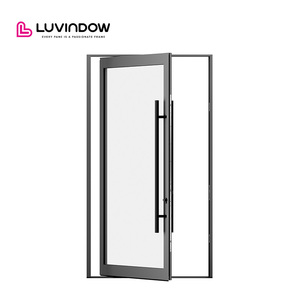
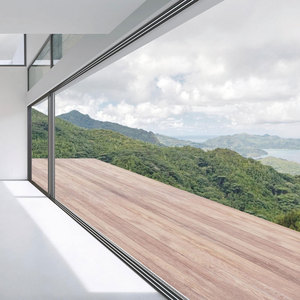
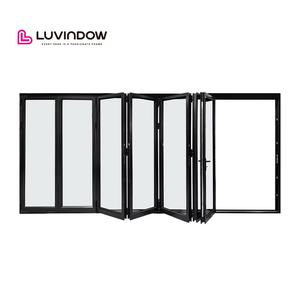
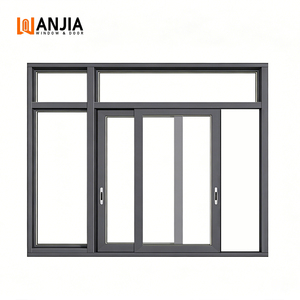
Architectural Specification Guide for High-Moisture Aluminium Washroom Doors
An authoritative analysis of metallurgical selection, surface anodization standards, moisture containment mechanics, and structural longevity in modern wet room design.
In contemporary commercial and high-end residential architecture, washroom and bathroom environments present one of the most challenging micro-climates for fenestration and interior door assemblies. Constant exposure to elevated relative humidity (RH > 85%), direct water splashes, aggressive cleaning chemicals, and thermal fluctuations requires a departure from traditional wood, MDF, or low-density PVC doors. Modern architectural procurement increasingly favors engineered extruded aluminium washroom door systems due to their absolute immunity to dimensional distortion, biological decay, and delamination.
Key Engineering Insight: Unlike wood-plastic composites (WPC) or hollow PVC frames which suffer from thermal expansion and mechanical fatigue under constant moisture, 6063-T5/T6 architectural aluminum alloy extrusions exhibit a zero-absorption profile and maintain dimensional tolerances within ±0.5mm across decades of heavy utility usage.
1. Metallurgical Composition & Structural Tempering
The foundation of a reliable washroom door lies in the structural integrity of its underlying extrusion. As a premier manufacturer and exporter, Changsha Wincraft Aluminum Window Tech Co., Ltd. utilizes primary-grade 6063 aluminium billet alloy tempered to T5 or T6 hardness standards. This specific magnesium-silicon alloy formulation yields an optimal balance of tensile strength (≥ 180 MPa), yield strength (≥ 110 MPa), and surface finish quality for precision machining.
By engineering multi-chamber interior profile walls with reinforced web thicknesses ranging from 1.4mm to 2.0mm, our aluminium washroom door frames resist torsional twisting caused by door closer forces and localized impacts. The structural rigidity prevents frame sagging—a common failure point in wet environments that causes latch misalignments and bottom edge dragging.
2. Surface Finishing: Anodizing vs. Fluorocarbon Powder Coating
Corrosion resistance in washrooms must extend beyond resistance to water. Ammonia compounds, chlorine-based cleaning solutions, and soap scum present aggressive chemical threats to metallic finishes. We implement two specialized surface treatment protocols certified under global standards:
Architectural Anodizing (ISO 7599 / Qualanod Class 1): An electrochemical process that converts the aluminium surface into a durable, integrated aluminum oxide layer (15–25 microns thick). This inorganic oxide shell is completely impervious to peeling, chalking, or moisture undermining, making it the ideal choice for high-humidity hospitality bath facilities.
Electrostatically Applied Powder Coating (Qualicoat Class 2): Utilizing thermosetting fluorocarbon or polyurethane resins, this finish offers unlimited architectural color matching (RAL palette) while establishing a barrier against chemical corrosion. Pre-treatment chromate-free conversion processes ensure atomic-level adhesion between the raw profile and the coating coat.
3. Acoustic Isolation & Privacy Glass Integration
Washroom design requires strict acoustic management to ensure user privacy. Standard hollow doors often perform poorly, transmitting low-frequency sound waves into adjoining residential quarters or corporate corridors. Our advanced aluminium washroom doors feature double-perimeter EPDM (Ethylene Propylene Diene Monomer) synthetic rubber gaskets coupled with acoustic drop-down bottom seals.
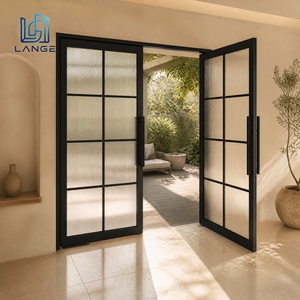
For glass infill panels, we integrate double-glazed or laminated privacy glass configurations—such as fluted (Reeded) glass, acid-etched frosted glass, or smart electrochromic switchable glass. Dual-sealed insulating glass units (IGU) with warm-edge spacers reduce sound transmission to STC 35–42 decibels, while maintaining zero light transmission compromise.
Zero Moisture Absorption
100% waterproof extruded alloy frame preventing swelling, rot, warping, and bacterial growth in continuous 99% RH environments.
STC 38 Acoustic Rating
Dual perimeter EPDM seals combined with drop-down automatic bottom gaskets isolate wet-room noise effectively.
30-Year Service Life
Qualanod certified anodized finishes ensure zero corrosion degradation even under heavy chemical wash cycles.
Comparative Performance Matrix: Washroom Door Substrates
A rigorous engineering comparison evaluating extruded aluminum against conventional door materials across key lifecycle metrics.
| Performance Benchmark | Extruded Aluminium 6063-T5 | Solid Hardwood | Wood-Plastic Composite (WPC) | Hollow PVC |
|---|---|---|---|---|
| Moisture Expansion Rate | 0.00% (Immune) | 4.50% – 8.00% (High) | 0.80% – 1.50% (Moderate) | 0.15% (Low) |
| Fungal & Mold Resistance | ASTM G21 100% Resistant | Prone to Black Mold | Surface Susceptible | Resistant |
| Flexural Modulus (Rigidity) | 69,000 MPa | 11,000 MPa | 3,500 MPa | 2,800 MPa |
| Chemical Wash Durability | Excellent (Anodized) | Poor (Varnish Degrades) | Moderate | Moderate (Fades) |
| Fire Safety Rating | Class A Non-Combustible | Combustible | Class B / Flame Retardant | Melts / Toxic Fumes |
| Expected Lifecycle (Years) | 30+ Years | 5 – 8 Years | 8 – 12 Years | 3 – 6 Years |
| 10-Year Total Cost of Ownership | Lowest (Zero Maintenance) | High (Repainting/Swelling) | Moderate | High (Frequent Replacement) |
Future Global Procurement & Architectural Design Trends
Insights into shifting international building codes, aesthetic demands, and smart hardware integration shaping the next decade of commercial fenestration.
1. Flush Minimalist Frames & Concealed Hardware Engineering
Modern interior architectural design is moving decisively away from bulky, surface-mounted door frames toward invisible jambs and flush-to-wall profiles. Global hotel chains and luxury multi-family developments are specifying aluminium washroom door frames that integrate seamlessly into drywall or tile cladding, leaving only a 3mm subtle shadow line visible. This aesthetic shift requires heavy-duty 3D adjustable concealed stainless steel hinges (SUS316 grade) capable of supporting doors weighing up to 80kg while maintaining zero frame reveal.
2. Antimicrobial Surface Coatings & Silver-Ion Technology
In the wake of heightened global hygiene awareness, post-pandemic architectural specifications for commercial washrooms (hospitals, international airports, corporate headquarters) demand active infection control surfaces. The extrusion industry is responding with silver-ion embedded powder coatings. These antimicrobial finishes actively neutralize 99.9% of surface bacteria (including E. coli and MRSA) within 24 hours without breaking down under harsh UV sanitization or chemical washes.
3. Magnetic Silent Latches & Smart Wet-Room Access Control
Traditional mechanical latch bolts rely on metallic spring friction, which produces operational noise and suffers from water ingress corrosion over time. Procurement trends indicate a rapid transition to magnetic silent locks. When the aluminium door is open, the magnetic latch bolt remains completely flush inside the door lockcase, eliminating snagging points. Upon closing, powerful neodymium magnets silently pull the latch into the keeper. Additionally, IP65-rated waterproof smart electronic locks (supporting RFID, Bluetooth, and biometric access) are becoming standard in commercial facilities.
4. Decarbonization & Low-Carbon Recycled Billet Sourcing
With stringent green building certifications such as LEED v4.1, BREEAM, and WELL gaining worldwide adoption, foreign buyers and architectural specifiers require verifiable Environmental Product Declarations (EPD). Wincraft is leading this transition by integrating primary billets produced using hydro-electric smelting alongside certified post-consumer recycled aluminium. This initiative reduces the embodied carbon footprint of our washroom doors by up to 65% compared to coal-fired extruded profile alternatives.
Enterprise Strengths & OEM/ODM Global Export Capabilities
Changsha Wincraft Aluminum Window Tech Co., Ltd. delivers engineered window, door, and enclosure solutions to architects, contractors, and distributors in over 80 countries.
As an integrated manufacturing power, Changsha Wincraft operates a modern 20,000 square meter production facility equipped with high-precision CNC double-head cutting saws, automated corner-crimping machines, and multi-axis milling centers. Our end-to-end operational structure eliminates intermediaries, ensuring complete quality ownership from raw billet inspection to export container loading.
Our engineering division supports foreign buyers through robust OEM and ODM cooperation frameworks. We provide 24-hour rapid shop drawing rendering, system engineering customized to regional wind loads and water penetration codes (including Australian AS2047, US AAMA, and European CE standards), and tailored packaging designed to withstand transatlantic ocean freight.
Precision Shop Drawings
Complete BIM and Auto-CAD technical documentation delivered within 24 hours to accelerate client submittal processes.
Full OEM/ODM Branding
Private label capabilities, bespoke profile die creation, custom hardware laser etching, and tailored protective film packaging.
4-Week Production Lead Time
Streamlined supply chain management guarantees standard order shipping within 28 business days from final shop drawing approval.
Frequently Asked Technical & Logistics Questions
Direct responses to critical engineering, manufacturing, and shipping inquiries raised by international buyers and architects.
Why are aluminum washroom doors superior to wood or WPC options in commercial projects?
Do you accept OEM and ODM orders for aluminum doors and windows?
What is the standard production lead time for custom export orders?
Can Wincraft provide technical shop drawings and engineering proposals prior to mass production?
How do you ensure water tightness and privacy in aluminum washroom doors?
Can your window and door systems meet regional building codes in my country?
What packaging methods are used to prevent damage during ocean transit?
What is the minimum order quantity (MOQ) for custom project procurement?
Require Custom Technical Specifications for Your Project?
Connect directly with our fenestration engineering team. We deliver complete shop drawings, system recommendations, and factory-direct pricing within 24 hours.
Send an Inquiry