Featured Aluminum Bathroom Window Systems
Engineered for absolute water tightness, privacy optimization, thermal comfort, and high-impact structural resilience in demanding residential and commercial environments.
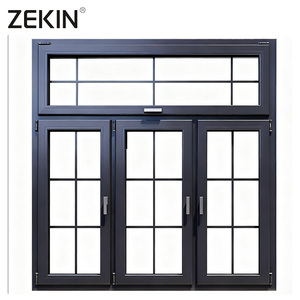
ZEKIN Custom Villa Hurricane Proof High Impact Black Aluminum Casement Window
- Profile: 6063-T6 Ultra-Slim Alloy
- Impact Rating: High-Velocity Hurricane Zone
- Glazing: Dual Tempered Laminated Glass
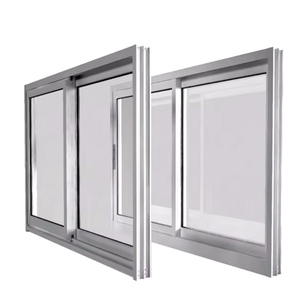
120 Series Horizontal Sliding Window Modern Bathroom Double Low-E Glass
- Frame Depth: 120mm Multi-Track
- Glass: Double Low-E Argon Filled
- Drainage: Hidden Sub-Sill Track
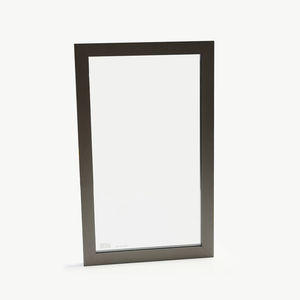
Italy Brand Aluminum Frames for Bathroom Cabinets, Windows & Doors
- Style: Italian Minimalist Profile
- Finish: Anodized Anti-Fingerprint
- Application: Wet-Zone Custom Storage
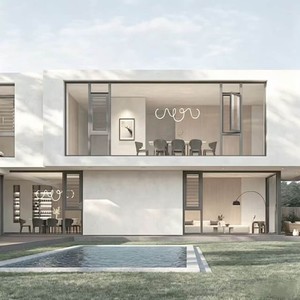
Modern Design Aluminum Alloy Casement Window Soundproof Double-Layer
- Acoustics: STC 42dB Noise Reduction
- Hardware: Multi-Point German Lock
- Sealing: Triple EPDM Continuous Gaskets
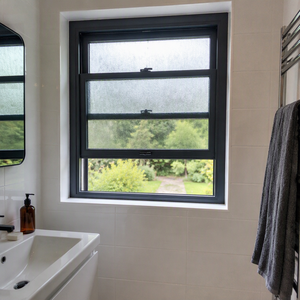
Frosted Double Hung Window Double Tempered Glass AS2047/CE Certified
- Mechanism: Vertical Sash Balance
- Privacy: Acid-Etched Obscure Glass
- Standards: AS2047, NFRC, CE Compliant
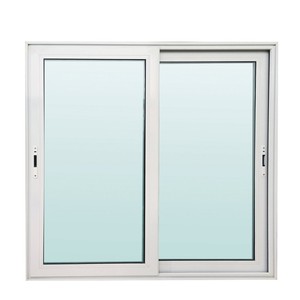
Modern Colonial Black Double Glazed Aluminum Sliding Window with Mesh Screen
- Grille: Custom Colonial Architectural Bars
- Screen: 304 Stainless Steel Security Mesh
- Frame: Fluorocarbon Powder Coated
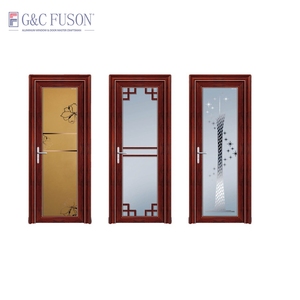
Custom Outdoor Aluminum Double Glazed French Doors & Windows
- Opening: Inward/Outward Dual Swing
- Thermal Break: PA66 Structural Polyamide
- Weathering: High Wind-Driven Rain Proof
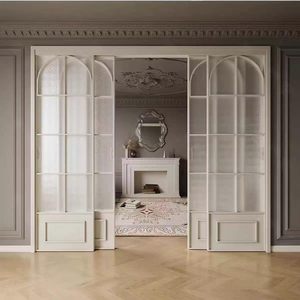
Thin Aluminum Sliding Door & Window Crittall Modern Minimalist Series
- Sightline: 16mm Ultra-Narrow Interlock
- Glass: Fluted / Reeded Privacy Glass
- Track: Flush Bottom Stainless Steel Rail
1. Material Science & Structural Metallurgy in High-Humidity Bathroom Fenestration
Selecting the optimal window and door fenestration for bathroom environments demands a precise balance between structural engineering and material science. Bathrooms present a uniquely challenging microclimate characterized by sustained indoor relative humidity (RH) exceeding 85%, frequent aerosolized chemical exposure (soaps, surfactants, chlorine cleansers), and sharp thermal differentials between interior steam zones and exterior ambient air.
Leading manufacturers avoid standard commercial-grade aluminum alloys in favor of primary 6063-T5 and 6063-T6 architectural aluminum extrusions. The T6 heat treatment temper process yields a ultimate tensile strength (UTS) of not less than 205 MPa and a yield strength of 180 MPa, ensuring structural stability under high wind pressures even when ultra-thin visual sightlines are specified.
Anodizing & PVDF Finishes
Electrolytic anodizing (15-25µm film thickness) or 3-coat PVDF fluorocarbon coatings resist filiform corrosion and salt spray exposure exceeding 3,000 hours under ASTM B117 standards.
PA66-GF25 Thermal Breaks
Polyamide 66 reinforced with 25% glass fiber breaks thermal bridges, preventing condensation build-up on interior frames and blocking mold growth vectors.
Continuous EPDM Sealing
Perimeter dual-to-triple EPDM cellular rubber gaskets preserve elasticity from -40°C to +120°C, maintaining absolute water tightness (Delta P ≥ 700 Pa).
Preventing moisture accumulation within frame cavities requires integrated pressure-equalized drainage systems. Premium aluminum bathroom windows utilize unexposed, downwards-facing drainage channels with anti-backflow valves. This architecture prevents driven rainwater from penetrating the interior casing during storm events while ensuring interior condensation swiftly drains outward.
Engineering Performance Benchmarks for Bathroom Aluminum Systems
| Performance Parameter | Testing Standard | Engineered Threshold | Architectural Benefit |
|---|---|---|---|
| Air Infiltration / Tightness | ASTM E283 / EN 12207 | Class 4 (≤ 0.5 m³/h·m) | Eliminates drafts & steam seepage to adjacent rooms |
| Water Penetration Resistance | ASTM E331 / AS2047 | ≥ 450 Pa - 700 Pa | Prevents moisture damage during intense rainfall |
| Thermal Transmittance (U-Factor) | NFRC 100 / EN ISO 10077 | 1.4 - 1.8 W/m²·K | Prevents condensation on interior glass face |
| Acoustic Attenuation (STC) | ASTM E90 / ISO 140-3 | STC 38 - 45 dB | Ensures complete acoustic privacy in luxury suites |
| Salt Spray Corrosion Resistance | ASTM B117 | 3,000 Hours (Rating 10) | Guarantees finish integrity in coastal or high-humidity zones |
2. Advanced Privacy Glazing & Smart Fenestration Technologies
Privacy is the single critical non-negotiable functional requirement for bathroom window design. Modern architectural fenestration has evolved beyond basic frosted glass to incorporate sophisticated optical manipulation and smart electrochromic technologies that modulate visual light transmittance (VLT) without sacrificing natural daylighting.
When specifying double- or triple-glazed insulated glass units (IGUs) for wet environments, structural integrity and seal longevity are paramount. Standard dual-sealed IGUs utilize a primary butyl sealant for vapor tightness, reinforced by a secondary structural silicone or polysulfide sealant to resist permanent UV degradation and warm-water immersion stress.
Switchable PDLC Smart Glass
Polymer Dispersed Liquid Crystal (PDLC) technology transitions glass from opaque to clear in <80ms via wall switch or automation, offering instant privacy on demand.
Fluted & Moru Reeded Glass
Architectural fluted textures diffuse direct light rays, creating a soft optical distortion that obscures interior silhouettes while elevating interior luxury aesthetics.
Low-E Solar Control Insulated Glass
Magnetron sputtered offline Low-E coatings reflect infrared heat while allowing visible light, maintaining bathroom warmth during winter months.
3. Future Procurement Trends & Sourcing Shifts (2026–2030)
The global commercial and residential fenestration market is undergoing a rapid transition driven by green building codes (such as LEED v4.1, BREEAM, and Net-Zero Energy standards), automated manufacturing, and supply chain rationalization. B2B procurement managers, real estate developers, and international trading houses must align with several macro trends over the coming decade:
A. Demand for Ultra-Narrow Sightlines & Crittall-Inspired Profiles
Modern architectural preferences are heavily leaning toward minimalist, industrial-chic aluminum profiles with visible interlock sightlines as narrow as 16mm to 21mm. High-strength 6063-T6 and 6060 alloys allow manufacturers to decrease frame surface area while accommodating thick dual-glazed units weighing over 40 kg per sash.
B. Low-Carbon Recycled Aluminum & Green Chain Verification
Global importers face increasing pressure to verify the carbon footprint of structural building components. Leading manufacturers are transitioning to primary billets produced via hydro-powered smelting or incorporating ≥75% post-consumer recycled aluminum content (producing under 4.0 kg CO2e/kg Al compared to the global average of 16.5 kg CO2e/kg Al).
C. Prefabricated Modular Fenestration for Fast-Track Construction
On-site labor shortages and rising installation costs across North America, Europe, and Australia have shifted procurement strategies toward fully unitized, factory-glazed window assemblies. Pre-assembled sub-frames with pre-punched mounting flanges and factory-fitted perimeter flashings reduce installation time by up to 60%.
4. Manufacturing Rigor & Global OEM/ODM Capabilities
As an integrated leader in custom architectural fenestration, Changsha Wincraft Aluminum Window Tech Co., Ltd. operates a state-of-the-art 20,000 square meter manufacturing base equipped with automated CNC double-head cutting saws, corner-crimping robotics, and automated glass processing lines.
Why Global Importers Partner with Wincraft
- Direct Factory Economics: Zero middleman markup; direct access to raw material extrusion lines and system designers.
- Rapid Engineering Turnaround: Full shop drawings, structural wind load calculations, and BIM models produced within 24 hours.
- Global Standard Compliance: Systems engineered to satisfy North American NFRC/AAMA, Australian AS2047, and European CE specifications.
- Standard 4-Week Production Lead Time: Rigorous batch scheduling guarantees on-time container vessel loading.
- Protective Export Packaging: Heavy-duty fully enclosed wooden crates with moisture-absorbing desiccant packs for safe ocean freight.
Complete OEM/ODM Customization Workflow
1. Technical Consultation: Architectural elevation review and performance specification mapping.
2. CAD & 3D Rendering: Precise cross-sectional shop drawing sign-off.
3. Precision Machining: CNC milling, corner crimping, and EPDM gasket insertion.
4. QA Inspection: Air, water, and structural load testing prior to factory sign-off.
5. Export Shipping: Customs declaration, multi-modal freight logistics, and real-time tracking.