Featured Engineering Solutions: Top 8 Bedroom Window Systems
Precision-engineered aluminum window systems designed for sound isolation, high thermal performance, and architectural longevity.
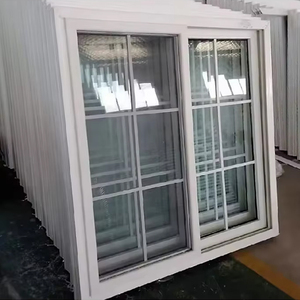
OUNA Modern Soundproof Sliding Window
Double-glazed sound-dampening sliding system engineered specifically for residential master bedrooms and luxury villas.
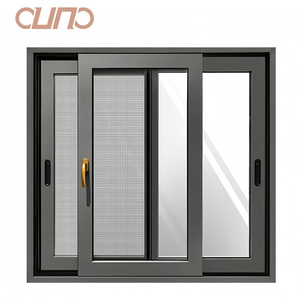
OUNA Thermal Break Sliding Exterior Window
Polyamide PA66 insulated sliding window system providing optimal heat insulation and windload resistance.
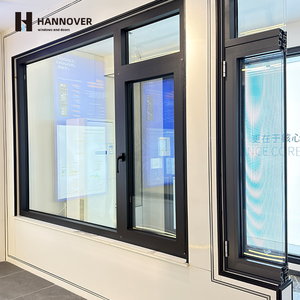
Energy Efficient Swing Casement Window
High-compression swing casement window with multi-point hardware for superior airtightness and energy savings.
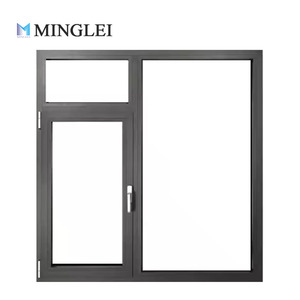
Triple Glazed Thermal Break Bedroom Window
Ultra-low U-value fenestration with integrated stainless mosquito netting for extreme climate performance.
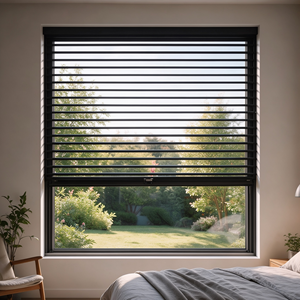
Architectural Louver Sliding Glider Window
Dual-action privacy window integrating adjustable aluminum exterior louvers with interior double glass.
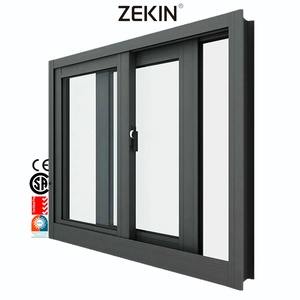
ZEKIN Sound Absorbing Laminated Window
Designed for urban high-noise zones using asymmetric PVB laminated glass to eliminate low-frequency sounds.
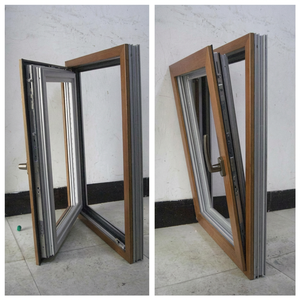
Luxury Hotel Soundproof Casement Window
Heavy-duty structural aluminum profiles built to meet rigid building codes for high-rise residential & luxury hotels.
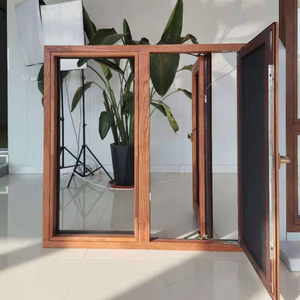
Aluminum Clad Wood Architectural Window
Combines the weatherproof durability of extruded exterior aluminum with warm natural wood interior aesthetics.
Engineering Whitepaper: Acoustic & Thermal Standards in Modern Bedroom Fenestration
An authoritative analysis on structural engineering, sound transmission class (STC) ratings, and thermal break mechanics for B2B procurement leaders.
When specifying fenestration systems for high-end residential developments, luxury hotel suites, and master bedroom quarters, architects and real estate developers must address the critical intersection of sound isolation, thermal comfort, and structural integrity. A bedroom window is not merely a transparent envelope component; it is an active acoustical and thermal barrier directly impacting sleep hygiene, human health, and long-term energy consumption.
1. Sound Transmission Class (STC) and Acoustic Decoupling Dynamics
Urban acoustic pollution—ranging from highway traffic noise (low-frequency hums between 100–250 Hz) to aviation overheads—demands rigorous window engineering. Standard monolithic glass or basic dual-pane units fail to block low-frequency noise due to the mass-air-mass resonance effect.
Top-tier manufacturers achieve Sound Transmission Class (STC) ratings of 38 to 45+ dB through three key acoustic engineering practices:
- Asymmetric Glass Lamination: Combining panes of differing thicknesses (e.g., 6mm exterior + 12mm Argon space + 8mm laminated interior pane) prevents acoustic coincidence dips, breaking sound wave transmission.
- Acoustic Interlayer Polyvinyl Butyral (PVB): Incorporating specialized dampening PVB interlayers converts acoustic energy into trace thermal energy via viscoelastic shear deformation.
- Multi-Chamber EPDM Gasket Compression: Acoustic energy leaks through air gaps faster than through glass. Precision casement windows utilize three continuous rows of automotive-grade Ethylene Propylene Diene Monomer (EPDM) weather-stripping to eliminate perimeter air leakage.
2. Thermal Break Mechanics: Polyamide PA66 GF25 Integration
Aluminum possesses high natural thermal conductivity (approx. 160–200 W/m·K). To build energy-efficient bedroom windows that comply with stringent European CE standards and North American NFRC certifications, extrusions must feature an structural thermal break.
Leading manufacturers isolate exterior and interior aluminum extrusions using Polyamide PA66 reinforced with 25% Glass Fiber (PA66 GF25). This material matches aluminum's thermal expansion coefficient, preventing structural debonding under extreme freeze-thaw cycles while lowering frame U-factors to under 1.2 W/m²K.
3. Technical Performance Comparison Matrix
Use the benchmark matrix below to evaluate window opening types according to project architectural demands:
| Window System Type | Acoustic Isolation (STC) | Thermal U-Value Range | Airtightness / Water Rating | Primary Commercial Application |
|---|---|---|---|---|
| Heavy-Duty Tilt & Turn Casement | STC 42 - 46 dB | 0.8 - 1.2 W/m²K | Class 4 (ASTM E283 / E331) | Luxury Villas, Cold Climate Mansions, Urban High-Rises |
| Thermal Break Lift & Slide | STC 38 - 41 dB | 1.3 - 1.6 W/m²K | Class 3 (EN 12207) | Master Bedroom Balconies, Resort Suites, Patios |
| Triple-Glazed Flush Sash Casement | STC 44 - 48 dB | 0.75 - 1.0 W/m²K | Class 4 (Passive House Grade) | Extreme Cold/Hot Climates, Airport Noise Zones |
| Integrated Louver Sliding Window | STC 35 - 38 dB | 1.5 - 1.8 W/m²K | Class 3 | Tropical Resorts, Solar Shading Villa Bedrooms |
Enterprise Manufacturing Competence: Changsha Wincraft Tech Advantage
Partnering directly with OEM/ODM manufacturing facilities ensures structural precision, supply chain transparency, and rigorous quality control.
As a global leader in architectural fenestration, Changsha Wincraft Aluminum Window Tech Co., Ltd. represents the gold standard of integrated B2B manufacturing. Combining custom profile extrusion, thermal break assembly, automated glass unit fabrication, and precision CNC machining under one roof, Wincraft provides contract buyers with end-to-end operational authority.
20,000+ ㎡ Production Base
Equipped with modern CNC double-head cutting machinery, automated corner-crimping robots, and heavy assembly tracks for high-capacity batch delivery.
24-Hour Design & CAD Service
Our dedicated engineering department communicates directly with architects, delivering 3D renderings, wind-load calculations, and shop drawings within 24 hours.
~4-Week Direct Lead Time
Streamlined production schedules ensure reliable standard delivery lead times within 4 weeks, backed by container packaging and export clearance.
Global Compliance & Audit
Products exported to 80+ countries and engineered to comply with NFRC, CE, AS2047, and AAMA structural testing standards.
Rigorous 6-Stage Factory Inspection Protocol
To eliminate site installation failures and ensure complete acoustic performance, every batch undergoes six strict internal quality gates:
- Raw Alloy Spectrometric Verification: Confirming 6063-T5 or 6060-T6 grade aluminum purity and hardness profile.
- Powder Coating Adhesion Testing: Cross-hatch adhesion and dry-film thickness measurements according to Qualicoat standards.
- Thermal Break Shear Resistance: Mechanical pull testing on PA66 GF25 strip insertion corners.
- Insulated Glass Unit Dew-Point Check: Laser inspection confirming Argon gas fill (>90%) and zero internal moisture condensation.
- Frame Squareness & Hardware Cycle Testing: Mock assembly testing running multi-point locks through 25,000 operation cycles.
- Heavy-Duty Export Crating: Full perimeter foam wrapping enclosed in heat-treated, fumigated plywood cases for sea transport.
Future Trends: Sourcing Aluminum Bedroom Windows (2025–2030)
Strategic insights into emerging technologies, material science developments, and sustainable architectural requirements.
As global building energy codes tighten and occupant wellness prioritized, fenestration procurement is undergoing a paradigm shift. Real estate procurement directors must plan around four critical technical trends driving the next decade of manufacturing:
1. Vacuum Insulated Glass (VIG) & Ultra-Narrow Sightlines
While traditional triple glazing delivers low U-values, it adds substantial structural weight and frame depth. The commercialization of Vacuum Insulated Glass (VIG)—which replaces inert gas spaces with an evacuated vacuum gap—allows 8mm glass units to outperform 36mm triple-pane systems. This transition enables ultra-slim aluminum sightlines (below 20mm visible frame width) without compromising acoustic or thermal comfort.
2. Motorized Smart Actuators and Invisible Hardware
Modern luxury bedroom suites are increasingly integrating concealed automated hardware connected to smart home automation platforms. Concealed hinges, motorized tilt-turn mechanisms, and automated rain/wind sensor overrides are becoming standard requirements for high-end residential bids.
3. Low-Carbon Hydro-Certified Recycled Aluminum
With Scope 3 carbon accounting taking effect across Europe and North America, sourcing aluminum extruded using renewable energy (such as hydroelectricity) or containing minimum 75% post-consumer recycled content is becoming a mandatory tender specification.
4. Integrated Micro-Louver & Solar-Active Shading
Architects are steering away from aftermarket internal blinds in favor of factory-integrated shading systems. Sealed double-glazed units featuring motorized micro-louvers or electrochromic dynamic smart glass provide seamless privacy and solar control without accumulating dust or allergens.
Comprehensive Procurement FAQ: Questions Importers Ask
Clear technical answers to help contractors, wholesalers, and architectural firms streamline international window procurement.
Do you accept full OEM and ODM customization for window profile designs?
How do you ensure soundproofing performance for urban high-noise project sites?
What is your typical production lead time for customized bulk orders?
Can your window systems meet strict local building codes (e.g., NFRC, CE, Hurricane Impact)?
What design support do you offer prior to placing a formal purchase order?
How are fragile glass products packed and protected during ocean freight transport?
Optimize Your Project’s Fenestration Performance Today
Direct factory sourcing with zero middlemen. Send your architectural drawings, window schedules, or technical specifications for a 24-hour engineering assessment and factory-direct quote.
Contact Us