Engineering Excellence in Heavy-Duty Exterior Aluminum Entry Systems
In modern commercial and high-end residential architecture, selecting the right front entry system dictates a project's structural security, thermal performance, and overall exterior aesthetics. As global energy building codes tighten and architectural designs demand larger, visually seamless openings, searching for verified, top-tier aluminum front door suppliers and exporters requires analyzing raw alloy grades, thermal break polyamide technologies, hardware cycle testing, and export compliance. This comprehensive specification whitepaper serves developers, architects, and international building material importers seeking factory-direct manufacturing partnerships.
Top-Rated Aluminum Front Doors & Architectural Systems
Explore our export-ready, custom-engineered aluminum door and window systems. Built to withstand extreme wind loads, severe solar radiation, and demanding thermal requirements across 80+ countries.
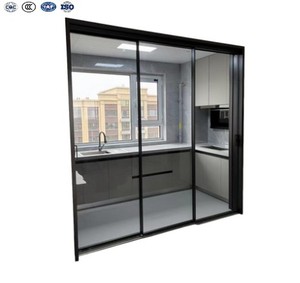
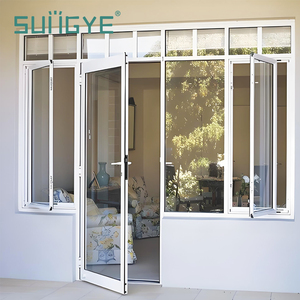
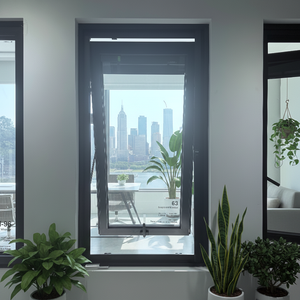
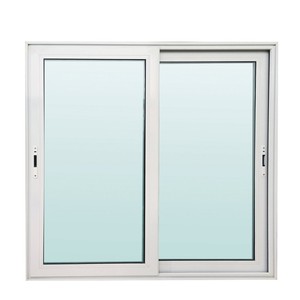
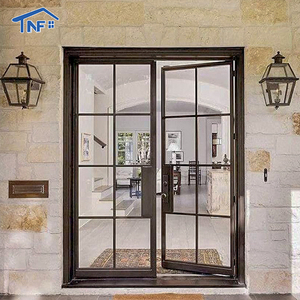
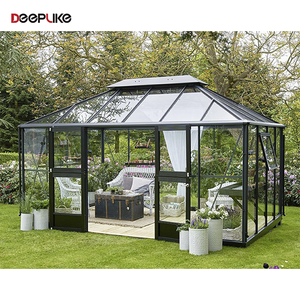
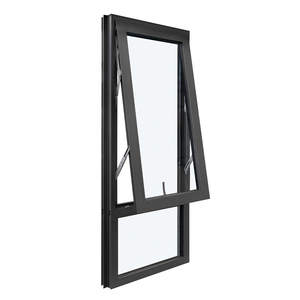
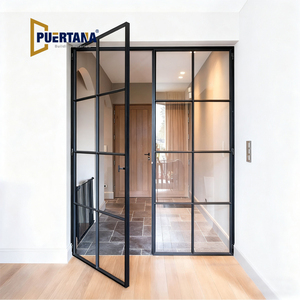
Architectural Specification Standards for Heavy-Duty Exterior Aluminum Doors
When international buyers evaluate top trusted aluminum front door suppliers & exporters, technical comparison extends far beyond visual framing options. The structural integrity, thermal efficiency, and long-term mechanical reliability of an entry system depend on precise engineering parameters. Aluminum entry doors must maintain dimensional stability under extreme solar heating while resisting structural deflection from wind pressure.
1. Primary Alloy Grade Selection & Metallurgical Tempering
The base material for high-performance architectural doors is extruded aluminum alloy 6063-T5 or 6063-T6. Alloy 6063 provides superior surface smoothness, tensile strength (minimum 190 MPa for T6), and exceptional corrosion resistance required for exterior exposure. For heavy-duty commercial pivot doors or oversized villa front entries exceeding 3 meters in height, premium suppliers utilize profiles with structural wall thicknesses ranging from 2.0mm to 3.0mm, preventing frame warping under substantial glass weights.
2. Thermal Break Polyamide Bar Technology (PA66GF25)
Standard aluminum is a natural thermal conductor. To meet strict energy codes such as Energy Star, NFRC standards, or European CE requirements, modern front doors employ broken-bridge (thermal break) technology. This design incorporates a non-conductive mechanical barrier—specifically PA66GF25 (Polyamide 66 reinforced with 25% fiberglass)—crimped between the interior and exterior aluminum extrusions.
- Thermal Resistance: Reduces the door's total Thermal Transmittance (U-value) from over 5.0 W/m²K down to 1.2 – 1.8 W/m²K.
- Structural Cohesion: The 25% glass fiber reinforcement matches the linear thermal expansion coefficient of aluminum, preventing structural delamination during sudden temperature spikes.
- Acoustic Isolation: Multi-chamber polyamide profiles disrupt airborne sound waves, contributing to STC sound ratings up to 45 dB.
3. Surface Coating Performance: PVDF vs. Architectural Powder Coating
Exterior front doors face aggressive environmental stressors including UV degradation, airborne pollutants, and coastal salt fog. Top exporters offer two primary industrial surface treatments tested under AAMA (American Architectural Manufacturers Association) specifications:
| Coating Technology | AAMA Specification | UV & Chalking Resistance | Salt Spray Resistance | Ideal Project Application |
|---|---|---|---|---|
| Fluorocarbon PVDF (2/3-Coat) | AAMA 2605 | Exceptional (20+ Years No Fading) | > 4,000 Hours (ASTM B117) | Coastal developments, high-rise luxury towers, harsh UV zones |
| Qualicoat Class 2 Powder | AAMA 2604 | High (10-15 Years Color Retention) | > 2,000 Hours (ASTM B117) | Standard commercial developments, modern suburban residential villas |
| Anodized Architectural Finish | AAMA 611 Class I | Extreme Hardness & Metallic Luster | > 3,000 Hours | Minimalist industrial designs, heavy foot-traffic storefront entries |
Future Sourcing & Technology Trends in Aluminum Front Doors
As global architectural preferences evolve and manufacturing automation advances, strategic B2B buyers must align with upcoming engineering innovations to maintain market competitiveness.
1. Smart Access & Biometric Integration
Future exterior entry doors are moving beyond traditional key cylinders toward factory-integrated smart access systems. Exporters are embedding 3D facial recognition cameras, motorized multi-point locks, and invisible biometric fingerprint scanners directly into the aluminum profile sash during extrusion assembly, maintaining sleek minimalism without compromising security.
2. Ultra-Large Oversized Pivot Entry Systems
Architects are increasingly specifying grand pivot front doors measuring up to 2.5 meters wide by 4 meters high. Engineering these massive sashes requires structural heavy-duty floor pivots rated for 500+ kg loads, integrated multi-axis concealed hinges, and internal anti-warping tension rods to ensure effortless one-finger opening.
3. Carbon-Neutral Recycled Aluminum Billets
Driven by European ESG mandates and green building standard certifications (LEED, BREEAM), premier manufacturers are transitioning to low-carbon recycled aluminum billets processed with renewable hydro-energy. Sourcing profiles with verifiable Environmental Product Declarations (EPD) provides importers a clear competitive advantage in government tenders.
4. Aerogel Vacuum Thermal Insulation Fillers
To meet passive house standards (U-value ≤ 0.8 W/m²K), next-generation aluminum front doors combine multi-chamber polyamide profiles with silica aerogel foam insulation injection inside the hollow profile chambers, dramatically reducing thermal bridging without adding structural weight.
5. Modular Knock-Down (KD) Shipping Assemblies
With global ocean freight costs fluctuating, top suppliers are redesigning structural door frames into precision-engineered, modular knock-down kits. This enables 300% higher container loading density, reducing per-unit freight costs while maintaining easy jobsite mechanical assembly using stainless steel corner keys.
Why Partner with Changsha Wincraft Aluminum Window Tech Co., Ltd.
An integrated building materials manufacturer and exporter combining research, architectural CAD design, automated extrusion processing, and direct global logistics.
24-Hour Engineering & CAD Rendering Turnaround
Our internal engineering department communicates directly with architects, general contractors, and developers. Upon receiving project elevation drawings, our technicians deliver comprehensive shop drawings, structural wind-load calculation reports, and high-resolution 3D visual renderings within 24 hours.
Strict ISO 9001 Quality Control & Testing
Every aluminum entry door undergoes multi-stage factory inspection: dimensional tolerance checks (±0.5mm), corner joint tensile strength testing, EPDM gasket seal compression verification, and hardware operational cycle testing (minimum 100,000 opening cycles) prior to wooden crate packing.
OEM & ODM Private Label Manufacturing
We fully support global distributors and fenestration brands with custom die extrusions, specialized profile color matching (RAL & Pantone), custom protective film branding, hardware engraving, and tailored export packaging designed to build your brand authority.
End-to-End Export Logistics & Lead Time Guarantee
With a standard customized order production cycle of approximately 4 weeks, our logistics department manages export customs documentation, ISF filings, protective ISPM-15 certified fumigated plywood crating, and direct door-to-door (DDP/DAP) sea freight delivery worldwide.
Frequently Asked Questions for Aluminum Door Procurement
Detailed technical answers addressing common engineering, compliance, and logistics questions raised by commercial buyers and importers.
Q1: How do aluminum front door thermal break systems compare to traditional timber and solid steel doors in extreme temperature zones?
Q2: What specific certifications and testing standards should B2B buyers verify for hurricane-impact aluminum doors?
Q3: What is the recommended aluminum extrusion wall thickness for commercial high-traffic entry doors?
Q4: Can Wincraft produce custom smart-lock integrated doors compatible with localized electronic lock brands?
Q5: What is the standard production lead time and minimum order quantity (MOQ) for OEM/ODM orders?
Q6: How are large glass aluminum front doors packaged to prevent damage during long-distance ocean shipping?
Q7: What is the difference between PVDF spray coating and Powder Coating for coastal developments?
Q8: Does Wincraft assist with shop drawings and engineering calculations for building code approval?
Request a Custom Quote & Technical Consultation
Partner with Changsha Wincraft Aluminum Window Tech Co., Ltd. for factory-direct wholesale pricing, OEM/ODM customized extrusion profiles, and expert CAD drawing support for your next development project.