Engineering Architectural Excellence for Tokyo’s Built Environment
A Technical Overview of Advanced Aluminium Casement Door Systems, Seismic Mitigation, Energy Efficiency (ZEH), and B2B Supply Chain Dynamics
The Tokyo metropolitan architectural ecosystem represents one of the most demanding engineering landscapes globally. Balancing severe seismic safety protocols (Japan Building Standard Law), stringent wind load requirements (JIS A 4706 Class S-5 to S-7), extreme acoustic damping demands in dense urban centers like Shibuya, Shinjuku, and Minato, and aggressive decarbonization directives (Zero Energy House - ZEH benchmarks) requires fenestration systems manufactured to exacting tolerances. As a premier Aluminium Casement Door Supplier for Tokyo, Changsha Wincraft Aluminum Window Tech Co., Ltd. delivers structural-grade, thermally isolated architectural door and window systems engineered specifically to satisfy Japanese regional compliance while elevating modern aesthetic minimalism.
Aluminium casement doors are pivotal components in high-tier Tokyo real estate projects—from luxury detached villas in Setagaya to multi-family residential towers and high-density commercial renovations. Engineered with heavy-duty 6063-T5/T6 extruded aluminum profiles, multi-chambered polyamide thermal breaks (PA66 GF25), double EPDM continuous sealing gaskets, and advanced multi-point hardware locking configurations, our casement systems deliver superior airtightness (JIS Class A-4), watertightness (JIS Class W-5), and sound isolation up to 40 dB. This white paper serves as a comprehensive B2B specification and procurement guide for Tokyo-based architects, general contractors, real estate developers, and fenestration importers seeking factory-direct manufacturing partnerships backed by rigorous Quality Assurance SLA standards.
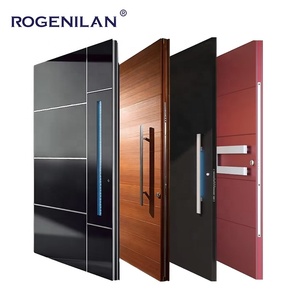
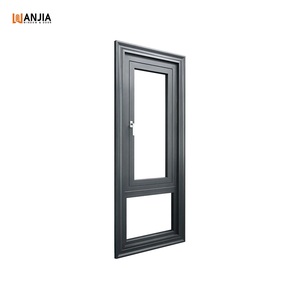
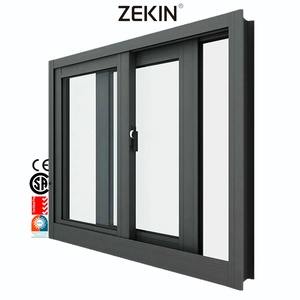
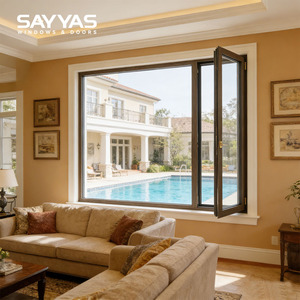
Engineered Architectural Fenestration Showcase
Explore OEM/ODM Aluminium Casement Systems, Sliding Configurations, and Hybrid Fenestration Solutions
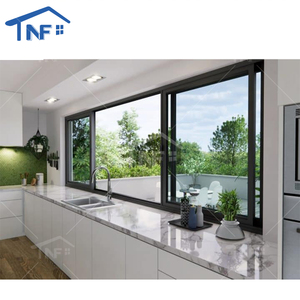
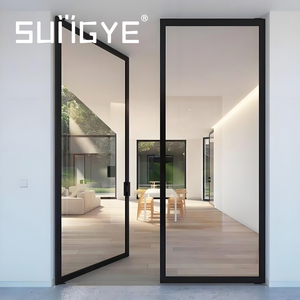
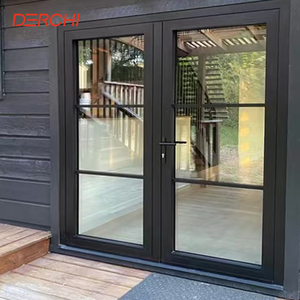
Localized Architectural Application Scenarios in Tokyo
Customizing Fenestration Systems for Micro-Climates, Urban Densification, and Regulatory Compliance
High-Density Urban Living (Shibuya, Minato, Shinjuku)
In Tokyo's vibrant urban cores, street noise level frequently exceeds 75-80 dB. Our heavy-duty aluminium casement doors utilize asymmetric acoustic laminated glass build-ups (e.g., 6mm Low-E + 12Argon + 5mm+0.76PVB+5mm) paired with multi-chamber profiles, achieving a sound reduction index of STC 42 / OITC 36 (JIS T-3 to T-4 acoustic performance rating), guaranteeing tranquil interior environments for high-end apartments and luxury boutique hotels.
Narrow Plot Residential ("Kyosho Jutaku" Ultra-Slim Villas)
Tokyo’s famous micro-lot architecture demands optimal space utilization and max glass-to-frame ratios. Our narrow-frame aluminium casement entrance and patio doors incorporate heavy-duty concealed hinges capable of supporting sash weights up to 180kg, offering effortless 90° to 180° swing operation, flush low-threshold transitions (barrier-free design), and maximum indoor day-lighting without compromising structural integrity.
Coastal Waterfront Developments (Tokyo Bay & Odaiba)
Fenestration installed near Tokyo Bay faces harsh salt spray, atmospheric moisture, and seasonal typhoon wind pressures. We supply custom casement doors finished with AkzoNobel or PPG PVDF fluorocarbon coatings (exceeding 25-micron thickness) combined with 316 marine-grade stainless steel multi-point locks, demonstrating zero pitting corrosion under 3,000 hours of neutral salt spray (NSS) testing.
Technical Specification & International Code Benchmark Matrix
Direct Comparison of Engineering Standards for Tokyo Architectural Approvals
| Performance Parameter | Japanese Standard (JIS A 4706) | Wincraft Engineering Specification | Tokyo B2B Compliance Benefit |
|---|---|---|---|
| Wind Pressure Resistance | Class S-5 to S-7 (1600Pa - 3600Pa) | Up to 4500 Pa Structural Load (Reinforced MULLION) | Engineered to withstand Category 4+ seasonal typhoons in the Kanto Plain. |
| Thermal Transmittance (U-Value) | JIS Level H-6 (≤ 1.9 W/m²·K) | U-Value ≤ 1.2 - 1.4 W/m²·K (PA66 GF25 Thermal Break) | Exceeds Tokyo ZEH (Zero Energy House) decarbonization efficiency targets. |
| Air Permeability | Class A-4 (0.5 m³/h·m²) | Class A-4 Certified (Double EPDM Continuous Gasket) | Eliminates energy loss, draft infiltration, and dust entry in high-rise applications. |
| Watertightness Performance | Class W-5 (500 Pa Positive Pressure) | 650 Pa Positive Pressure (Sub-frame Internal Drainage) | Prevents water ingress during extreme monsoon downpours and typhoon events. |
| Acoustic Isolation Rating | Class T-2 to Class T-3 (30 - 35 dB) | Up to STC 42 / 40 dB Attenuation (Triple/Laminated IGU) | Blocks urban traffic rumble and commercial district ambient noise. |
| Seismic Inter-Story Drift | Drift Angle γ = 1/200 to 1/100 | Flexible EPDM Glazing & Structural Silicone Shear Accommodation | Glazing retains structural positioning during seismic ground movement. |
Key Fenestration Trends Shaping Tokyo Architecture
Strategic Insights for Procurement Managers, General Contractors, and Developers
1. Minimalist Ultra-Slim Sightlines with Concealed Hardware
Modern Tokyo architects overwhelmingly favor clean, uncluttered visual profiles. The market demand has shifted rapidly toward casement doors featuring concealed friction hinges, ultra-narrow frame profiles (under 50mm visible width), and integrated drop-down bottom seals that remove the need for unsightly raised thresholds in interior-to-patio transitions.
2. Anodized Dark Matte & Bronze Electro-deposition Finishes
Reflecting Japanese aesthetic principles of *Wabi-Sabi* and tactile luxury, surface treatments in Tokyo are moving away from traditional standard silver anodizing toward deep matte black, dark bronze anodized electro-deposition, and textured powder coatings that exhibit superior scratch resistance and UV stability.
3. High-Security Smart Lock & Automated Access Integration
Commercial and residential clients in Tokyo increasingly request casement entrance doors engineered with multi-point motoric locking mechanisms. These systems integrate seamlessly with facial recognition, biometric keypads, Japanese smart home protocols (ECHONET Lite), and commercial access systems.
Why Choose Wincraft as Your Aluminium Casement Door Supplier for Tokyo
Direct Factory Manufacturing, Engineering Expertise, and Global B2B Export SLAs
20,000㎡ Advanced Production Facility
Changsha Wincraft Aluminum Window Tech Co., Ltd. operates a state-of-the-art manufacturing base equipped with automated CNC double-head cutting saws, corner-crimping robotics, and precision milling machinery. Our capacity guarantees stable supply schedules for large-scale developments across Japan.
24-Hour CAD & Rendering Turnaround SLA
Our dedicated engineering department collaborates directly with Tokyo architects and general contractors. We analyze site architectural drawings and deliver comprehensive shop drawings, structural wind load calculations, and structural 3D renderings within 24 hours.
4-Week Lead Time & Yokohama/Tokyo Port Delivery
Standard custom project orders are completely fabricated, assembled, quality-inspected, and packaged in protective export wooden crates within 4 weeks. We handle complete export customs documentation for seamless entry into Yokohama and Tokyo Bay ports.
Frequently Asked Questions (FAQ) for Tokyo Procurement
Direct Technical Answers for Importers, General Contractors, and Fenestration Buyers
Can Wincraft aluminium casement doors meet Japanese Building Standard Law and JIS certifications?
How do your casement doors accommodate Tokyo's seismic displacement requirements?
What thermal break configurations are recommended for Tokyo’s climate zone?
What is your standard production lead time and export logistics handling to Japan?
Do you accept custom OEM profile designs and private labeling for Japanese distributors?
Initiate Your Tokyo Project Procurement Consultation
Send your CAD drawings, schedule of quantities, or project specifications to our engineering team. Receive a factory-direct quote and structural drawing proposal within 24 hours.