High-Performance Aluminium Windows & Doors Catalog
Factory-direct thermal break systems optimized for Canadian commercial and residential fenestration specifications.
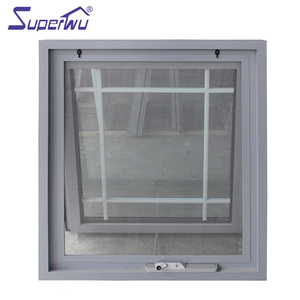
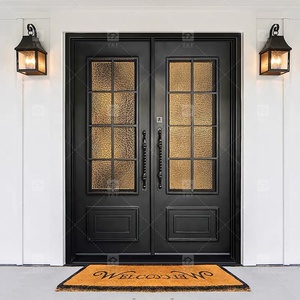
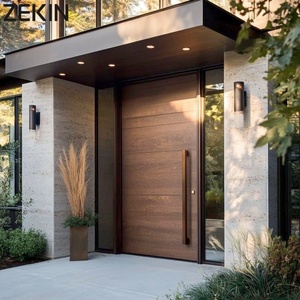
Navigating Canada’s Harsh Climates: Why Aluminium Tilt & Turn Systems Dominate Modern Architecture
An authoritative analysis of thermal efficiency, structural load standards, and building code compliance across Canadian provinces.
In North America’s most demanding building environment, windows are no longer mere aesthetic elements; they are critical thermal envelope components. Canada’s diverse climate ranges from the high humidity and coastal wind-driven rain of British Columbia (Zone 5) to the extreme sub-zero freeze-thaw cycles of Alberta, Saskatchewan, and Manitoba (Zone 7A/7B), as well as the dense urban infill developments of the Greater Toronto Area (GTA) and Montreal. Standard traditional vinyl sliders or non-thermal aluminum frames frequently suffer from frame warping, seal degradation, and severe interior condensation when exposed to Canadian temperature differentials ($\Delta T$) that can exceed 50°C during winter months.
As direct-factory manufacturers serving Canadian architects, general contractors, real estate developers, and fenestration importers, Changsha Wincraft Aluminum Window Tech Co., Ltd. custom-engineers European dual-action Aluminium Tilt & Turn Windows specifically tuned to the National Building Code of Canada (NBC) and local energy regulations.
U-Factor Excellence
Achieving structural overall thermal performance values as low as 0.85 to 1.15 W/m²K (0.15–0.20 BTU/h·ft²·°F) with triple-pane insulated units.
Air Infiltration A3
Compression sealing geometry yields near-zero air leakage (<0.05 L/s·m²), exceeding CSA A440.2 high-rise and passive home airtightness mandates.
DP70 Structural Rating
Reinforced 6063-T5 aluminum extrusions engineered to withstand high wind load pressures up to 3500 Pa across prairie gusts and coastal storms.
Condensation Resistance
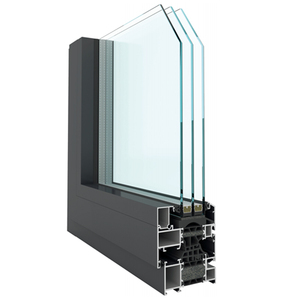
PA66 GF25 thermal breaks combined with warm-edge spacers prevent perimeter glass frosting during cold spells down to -35°C.
Information Gain Benchmark: Dual-action Tilt & Turn mechanisms provide two distinct functional modes through a single handle operation: tilting inward from the top for continuous, draft-free micro-ventilation during rain or cold days, and swinging inward 180° like a door for effortless exterior glass cleaning and maximum emergency egress capability.
Engineering Benchmark: Aluminium Tilt & Turn vs. Legacy North American Systems
| Performance Metrics | Wincraft Thermal Break Aluminium Tilt-Turn | Traditional Vinyl (uPVC) Hung/Slider | Standard Non-Thermal Aluminum |
|---|---|---|---|
| Structural Service Life | 40+ Years (No frame sagging or yellowing) | 15–20 Years (Prone to UV embrittlement & frame warping) | 30+ Years (Mechanically sound, thermally deficient) |
| Thermal U-Factor Range | 0.80 – 1.20 W/m²K (High Efficiency) | 1.40 – 1.80 W/m²K (Moderate) | 2.80 – 4.50 W/m²K (Severe heat loss & condensation) |
| Airtightness & Compression | Triple Continuous EPDM Gaskets (Multi-Point Lock) | Sliding Weather-stripping (Prone to air drafts over time) | Brush Seals (High air infiltration under wind load) |
| Max Commercial Span | Extremely High (Supports heavy triple-pane units) | Limited (Requires steel reinforcement inserts) | High (Lacks thermal break performance) |
| Acoustic Damping (STC) | STC 40 – STC 48 (Ideal for Canadian urban infill) | STC 26 – STC 32 (Poor traffic noise reduction) | STC 28 – STC 34 (Resonates sound vibrations) |
Wincraft Manufacturing Infrastructure & B2B Supply Chain Capabilities
Integrating architectural R&D, precision CNC machining, and automated assembly to empower overseas importers and contractors.
20,000 m² Production Base
Equipped with modern European dual-head CNC extrusion cutters, automated corner crimping stations, and robotic glass silicone application lines. Every profile is machined to exact millimeter tolerances.
24-Hour Drawing Turnaround
Our dedicated structural engineering team converts architectural blueprints into precise shop drawings, BIM models, and CAD installation renderings within 24 hours to accelerate project bidding.
~4-Week Lead Time & Logistics
Standard custom orders enter full production upon drawing sign-off and ship within ~4 weeks. We offer complete container loading protection, moisture-proof wrapping, and direct shipping to major Canadian ports.
Localized Application Scenarios in Canadian Real Estate & Architecture
Custom-engineered profile configurations tailored to regional environmental challenges across Canada.
Ontario & GTA Urban Infill
Scenario: High-density residential developments and luxury custom homes in Toronto, Mississauga, and Ottawa.
Solution: Triple-pane low-E glass with laminated interior acoustic layers to dampen city traffic noise (STC 45+) while satisfying Ontario Building Code (OBC) SB-12 thermal efficiency targets.
British Columbia Coastal Rain Screen
Scenario: Mid-rise and residential construction in Vancouver, Victoria, and Coastal BC exposed to heavy rainfall and humidity.
Solution: Deep sill pressure-equalized drainage tracks, AAMA 2605 fluorocarbon marine-grade powder coating, and specialized flanged frames for seamless integration into Canadian rain-screen assembly details.
Alberta & Prairies Sub-Zero Resilience
Scenario: Extreme cold weather in Calgary, Edmonton, and Winnipeg with temperature dips reaching -40°C.
Solution: Wide 34mm multi-chamber Polyamide PA66 thermal breaks, double low-E solar control coatings on surfaces #2 and #5, and 95% argon gas fill to maintain high interior glass surface temperatures and prevent cold drafts.
Key Market Trends Driving Aluminium Fenestration Adoption in Canada
Understanding shifting Canadian regulatory requirements, Net-Zero targets, and architectural aesthetic shifts.
1. Transition Toward Net Zero Ready (NZR) Mandates
Canada’s Tiered National Building Code is moving aggressively toward Net Zero Energy Ready construction by 2030. Standard vinyl and basic aluminum profiles cannot meet the strict overall building envelope enclosure limits required by Tier 4 and Tier 5 standards. High-performance aluminum tilt and turn windows, featuring warm-edge spacers, insulating foam-filled extrusion cavities, and triple glazing, are fast becoming the standard for progressive Canadian developers looking to avoid future retrofitting costs.
2. Aesthetic Preference for Minimalist Sightlines & Black Anodized Finishes
Contemporary Canadian architecture emphasizes expansive glass openings, natural daylighting, and sleek dark exterior tones (Matte Black, Charcoal Gray, Bronze). Structural aluminum allows for significantly larger glass sashes without the unsightly heavy diagonal frame bracing required by plastic vinyl frames. Wincraft provides custom electrostatic powder coating meeting AAMA 2604/2605 specifications, guaranteeing UV fade resistance under intense summer exposure.
Frequently Asked Questions by Canadian Importers & Contractors
Direct answers regarding certification, rough opening customization, structural loads, and containerized logistics.