Engineered Aluminum Window Systems
Architectural Grade Extrusions, Low-E Thermal Profiles, & Tropical Weather-Tested Systems for Malaysian Projects
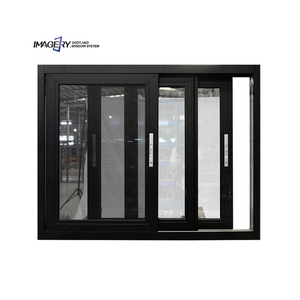
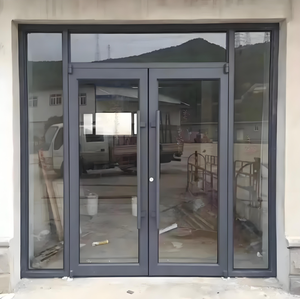
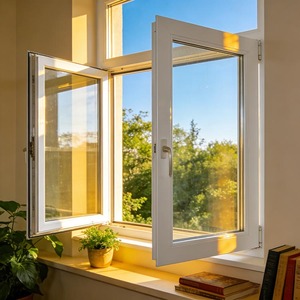
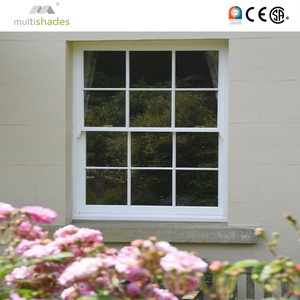
20+
Years Extrusions Engineering
20,000㎡
Precision Manufacturing Floor
MS 1017
Malaysian Standard Compliant
80+
Global Export Markets
Technical Whitepaper: Sourcing & Structural Engineering of Aluminum Lower Windows in Kuala Lumpur
An Architectural Analysis of Hydrostatic Water Resistance, Tropical Thermal Dynamics, and Structural Profile Selection for the Klang Valley Microclimate
The rapid expansion of luxury residential towers, commercial hubs, and sprawling suburban townships across Kuala Lumpur (KL) and the wider Klang Valley has elevated the structural and material demands placed on architectural fenestration systems. Among these components, lower window assemblies—frequently integrated into low-sill architectural glazing, floor-to-ceiling curtain wall lower transoms, ground-floor perimeter daylighting, and sub-sill ventilation modules—face extreme operational environments. Located in a equatorial climate zone (Köppen Af) characterized by year-round humidity averaging 80% to 90%, relentless UV radiation, ambient temperatures fluctuating between 24°C and 34°C, and sudden monsoonal squalls capable of delivering severe wind-driven rain, fenestration in Kuala Lumpur cannot rely on standard mid-latitude architectural specifications.
This technical whitepaper provides developers, structural engineers, facade consultants, and main contractors in Malaysia with an authoritative, data-backed guide to selecting, auditing, and procuring high-performance aluminum lower window systems. By bridging the gap between high-precision factory extrusion in China and site installation realities in Selangor and the Federal Territory of Kuala Lumpur, this guide addresses critical parameters: pressure-equalized drainage, alloy temper longevity, anti-corrosion surface treatments, acoustic decoupling, and international compliance frameworks including SIRIM, CIDB, and Green Building Index (GBI) Malaysia certifications.
1. Defining the Lower Window System: Mechanical Functions & Stress Vectors
In modern tropical architecture, the term "Lower Window" refers to fenestration positioned within the lower zone of a building frame—typically extending from finished floor level (FFL) up to 900mm, or serving as the operable base sash in combined fixed-and-ventilation facade units. Because lower windows sit in close proximity to floor slabs, drainage gutters, horizontal ledges, and external podium deck levels, they are exposed to distinct mechanical stress vectors:
- Hydrostatic Head & Wind-Driven Rain: During intense afternoon thunderstorm downdrafts, wind speeds in Greater KL routinely reach 25 m/s to 35 m/s. Rainwater striking the facade collects rapidly, creating continuous horizontal runoff across lower transoms. Lower window sills must manage water head pressure without allowing internal ingress or frame-track overflow.
- Thermal Expansion and Concrete Creep: Ground-level and mid-rise floor slabs undergo structural deflection and micro-movement. Aluminum lower window frames must incorporate perimeter expansion joints and structural EPDM gaskets that absorb building settlement while maintaining hermetic air and water seals.
- Impact and Security Dynamics: Being at or near floor level, lower windows are subject to physical contact, maintenance equipment impact, and heightened security vulnerability. Profile wall thickness and glazing specifications must withstand localized physical pressure.
2. Climatic & Structural Challenges Specific to Kuala Lumpur and Klang Valley
Designing and manufacturing lower window systems for deployment in Kuala Lumpur requires overcoming three primary environmental obstacles:
A. Monsoonal Water Ingress Mitigation: Conventional sliding or fixed window sills rely on simple gravity weep holes. Under monsoon conditions, wind pressure forces water backward through standard weep holes, causing water to pool inside the frame cavity, leading to internal drywall damage, timber floor warping, and mold propagation. Advanced lower windows feature pressure-equalized drainage chambers fitted with non-return silicone flap valves and baffled sub-sill flashings that allow water to evacuate even under negative wind pressures exceeding 600 Pa.
B. Solar Heat Gain Coefficient (SHGC) & Thermal Bridging: While tropical climates do not suffer from sub-zero freezing, heat transfer through un-insulated aluminum frames represents a massive energy penalty for air-conditioned high-rises in Mont Kiara, Bangsar, and the TRX District. Solar radiation heating up dark anodized or powder-coated aluminum profiles transfers heat into interior concrete slabs. Implementing thermal break technology—utilizing low-conductivity Polyamide (PA66 GF25) structural insulation strips—effectively decouples outer and inner profile extrusions, reducing frame U-values from 5.8 W/m²K to under 2.2 W/m²K, directly aiding project compliance with Green Building Index (GBI) energy efficiency targets.
C. Coastal Humidity, Industrial Pollutants & Coating Degradation: Kuala Lumpur's proximity to the Malacca Straits (Port Klang corridor) combined with urban traffic emissions creates a humid atmosphere containing micro-particulates of sulfur dioxide and airborne chlorides. Standard architectural paint finishes degrade within 3 to 5 years, exhibiting chalking, filiform corrosion, and color fading. Sourcing lower windows with powder coatings compliant with AAMA 2604 or AAMA 2605 specifications (utilizing Fluoropolymer or Super Durable Polyester resins) guarantees color retention and salt-spray resistance exceeding 3,000 hours.
Request Technical Specifications & Engineering Drawings
Need customized CAD shop drawings or SIRIM-compliant profile options for your project in Kuala Lumpur? Consult directly with our fenestration engineering specialists.
Get Catalog3. Localized Application Scenarios Across Kuala Lumpur's Key Real Estate Sectors
Lower aluminum windows perform varied roles depending on the structural typology of the project. Below are the predominant localized deployment scenarios observed across Klang Valley developments:
Scenario A: High-Rise Residential Towers (Mont Kiara, KLCC, Ampang Hilir)
In luxury condominium skyscrapers, floor-to-ceiling window units incorporate lower fixed or tilt-and-turn window sashes. These units must maintain high structural integrity to meet high-altitude wind load pressure (up to 2.5 kPa). Lower windows in these units are paired with laminated double-glazed tempered glass (e.g., 6mm Clear + 1.52mm PVB + 6mm Low-E) to prevent falling hazards, attenuate urban acoustic pollution from nearby highways (DUKE, LDP, SPE), and provide solar shielding.
Scenario B: Gated Suburban Villa Estates (Bangsar, Damansara Heights, Desa ParkCity)
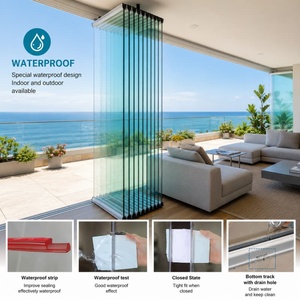
Low-density luxury villas emphasize seamless indoor-outdoor living. Lower windows are frequently integrated into wide-span sliding or folding door systems as lower sill daylighting panels or motorized lower louver modules. These installations prioritize flush threshold tracks with concealed subterranean drainage channels, allowing indoor flooring to extend onto outdoor terraces without water backflow risk during tropical downpours.
Scenario C: Commercial Storefronts & Podium Units (Bukit Bintang, Subang Jaya, Shah Alam)
Retail podiums and commercial shop-offices utilize heavy-duty lower window systems with reinforced structural mullions. These lower sections are exposed to frequent cleaning, high pedestrian traffic, and potential impact. Using 6063-T6 or 6061-T6 aluminum alloys with minimum frame wall thickness of 2.0mm to 2.5mm ensures resistance to mechanical deformation while supporting heavy, smart-tintable or acoustic laminated glass panes.
Engineering Performance & Material Matrix
Benchmarking Profile Alloys, Glazing Builds, and Water Tightness Standard Compliance for Importing to Malaysia
| Performance Parameter | Standard Commercial Grade | Wincraft Tropical High-Performance | Applicable Test Standard |
|---|---|---|---|
| Aluminum Profile Alloy & Temper | 6063-T5 (Standard Extrusion) | 6063-T6 / 6061-T6 High-Tensile Structural Alloy | ASTM B221 / GB 5237 |
| Min. Frame Wall Thickness | 1.4 mm - 1.6 mm | 2.0 mm - 3.0 mm Reinforced Structural Web | MS 1017:2014 Compliance |
| Surface Finish & Coating | Standard Anodized (10-15 microns) | PVDF Fluorocarbon Coatings (AAMA 2605 / Qualicoat Class 2) | ASTM D2244 / ISO 2810 |
| Water Tightness Rating | 250 Pa - 350 Pa (Basic weep hole) | 600 Pa - 1000 Pa (Pressure-Equalized Sub-Sill) | EN 12208 Class 9A / ASTM E331 |
| Wind Pressure Load | 1.5 kPa | up to 3.5 kPa (High-Rise Podium & Tower Grade) | MS 1017 / ASTM E330 |
| Acoustic Attenuation (STC) | STC 28 - 32 dB (Single Pane) | STC 42 - 48 dB (Double Acoustic Laminate) | ISO 717-1 / ASTM E90 |
| Thermal Transmittance (U-Value) | 5.5 - 6.0 W/m²K | 1.8 - 2.4 W/m²K (PA66 Thermal Break + Argon Low-E) | ISO 10077-2 / NFRC 100 |
Enterprise Factory Capabilities & Sourcing Advantages
Why Leading Developers and Main Contractors in Malaysia Partner Directly with Wincraft China Factory
Factory-Direct OEM/ODM
Bypassing trading intermediaries, Changsha Wincraft supplies custom aluminum lower window extrusions directly from our 20,000+ m² facility, ensuring complete quality traceability and raw material cost control.
24-Hour CAD & 3D Renderings
Our experienced facade design engineering team turns architectural concept drawings into fully detailed CAD shop drawings, structural wind load calculations, and BIM models within 24 hours.
4-Week Lead Time Efficiency
Equipped with automated multi-axis CNC machining centers, precision corner-crimping machinery, and automated glazing lines, standard custom window packages are completed within 4 weeks of drawing approval.
Port Klang Logistics Coordination
We provide full export-compliant fumigated wooden crate packaging, container loading optimization, customs documentation, and seamless sea freight forwarding straight to Port Klang, Northport, or Westports.
Rigorous Factory QA/QC
Every window assembly undergoes air permeability testing, high-pressure water nozzle jet inspection, corner shear strength validation, and coating thickness checks before leaving the factory floor.
Comprehensive Hardware Integration
Select from top-tier international and premium Chinese hardware ecosystems including Siegenia, Hoppe, Kin Long, and Coto, ensuring smooth sash operation over decades of daily use.
Procurement & Engineering FAQ: Kuala Lumpur Buyers
Clear Answers on Standards, Customs Clearance, Tropical Proofing, and Technical Execution
Elevate Your Kuala Lumpur Project with Advanced Fenestration
Whether you are designing a modern villa in Damansara or managing a high-rise commercial development in KLCC, connect with our engineering team today for factory-direct quotes, technical catalogs, and customized shop drawings.
Get Catalog