Featured Fire-Rated & Architectural Aluminium Systems
Engineered for commercial high-rises, industrial complexes, and luxury residential projects across Central Europe.
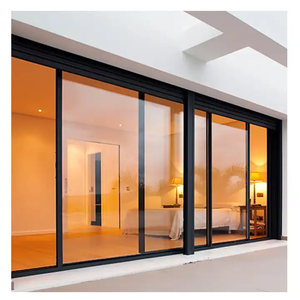
Aluminum Double Glass Sliding Doors with Flyscreen
Precision-engineered double glazed sliding partition with integrated flyscreen, optimal sound isolation, and fire-retardant silicone seals.
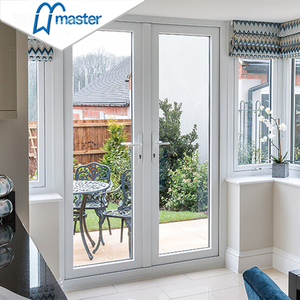
Double Glass Exterior Aluminum Swing French Patio Doors
Heavy-duty thermal break swing entrance doors providing low U-values, high wind resistance, and multi-point emergency egress locking hardware.
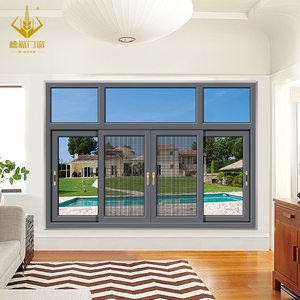
Customizable Soundproof Double Glazed Aluminum Sliding Window
Energy Star qualified horizontal sliding fenestration system designed for commercial kitchens, living areas, and fire-compartmentalized zones.
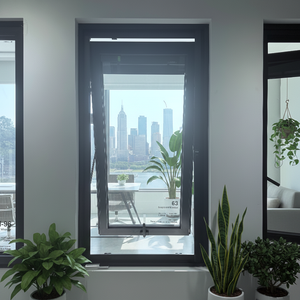
DERCHI Hurricane-Proof Double Glazed Aluminum Casement Window
Structural-grade impact-resistant casement windows engineered for severe weather integrity, flame resistance, and continuous building perimeter security.
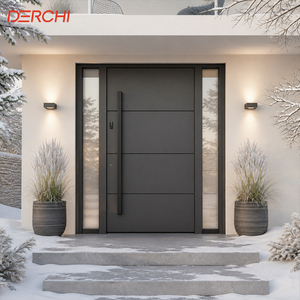
Luxury Custom Villa Aluminum Security Front Entrance Door
Architectural entrance doors featuring armored core construction, intumescent fire gaskets, multi-point lock mechanisms, and customizable surface finishes.
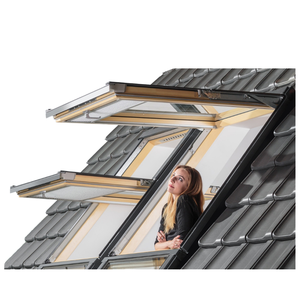
Convertible Aluminum Attic Skylight Roof Balcony Window
Innovative roof fenestration transforming into a open-air balcony. Built with insulated toughened glass and optional automated smoke evacuation actuators.
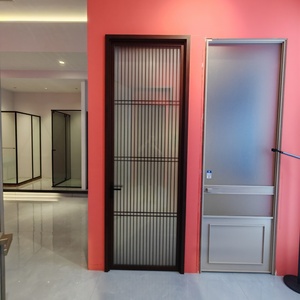
Ultra-Narrow Minimalist Fireproof Soundproof Kitchen Door
Side-opening aluminium alloy door with double-layer ceramic fire-resistant glass and fiberglass insulation for sleek residential and hotel partition safety.
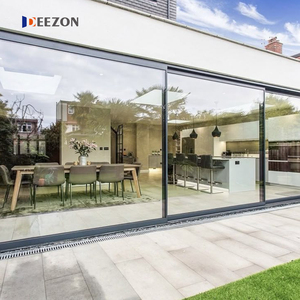
AS2047 Double Glazed Aluminum Stacker Commercial Patio Doors
Heavy-duty multi-track architectural stacking doors engineered for expansive wide openings, high air-tightness, and fire compartment boundaries.
1. Executive Summary & Market Landscape in Hungary
Hungary's commercial real estate, logistics, and multi-family residential construction sectors have undergone a significant modern architectural transformation over the past decade. Driven by foreign direct investment (FDI) in industrial hubs such as Debrecen, Győr, Kecskemét, and the rapidly growing urban corridors of Budapest, real estate developers and general contractors face rigorous building safety standards. Among these safety parameters, structural fire containment fenestration—specifically aluminium fire doors and glazed partition systems—occupies a critical position in architectural specifications.
Historically, heavy steel fire doors dominated industrial escape corridors and plant compartments. However, modern architectural trends prioritize natural light, slim sightlines, thermal break efficiency, and corrosion resistance. Premium extruded aluminium alloy fire doors, equipped with intumescent insulating cores and clear gel-interlayered fire-resistant safety glass, have emerged as the preferred choice for architects and structural engineers across Central and Eastern Europe (CEE).
This technical white paper evaluates the top 10 aluminium fire door factories and global export partners serving the Hungarian construction market. It provides deep engineering insights into European Union regulatory compliance, fire compartmentation strategies under the National Fire Protection Code of Hungary (OTSZ), and practical criteria for selecting direct-factory B2B supply partners.
Procuring fire doors for Hungarian projects requires strict verification of CE marking under EN 16034 and EN 13501-2 classification reports issued by accredited EU Notified Bodies (such as EMI Non-profit Llc. in Hungary, IFT Rosenheim, or equivalent laboratories). Sourcing directly from certified global manufacturers with OEM/ODM capabilities allows developers to achieve up to 35% cost optimization without compromising certified fire resistance (EI30 to EI120).
2. Regulatory Framework: MSZ EN Standards & Hungarian OTSZ Compliance
In Hungary, all fire protection requirements for buildings are governed by the National Fire Safety Code (Országos Tűzvédelmi Szabályzat - OTSZ), administered by the National Directorate General for Disaster Management (OKF). Architectural fenestration installed within fire separation walls, stairwell enclosures, emergency escape paths, and boiler rooms must comply with harmonized European Union standards.
Understanding Key European Standards for Fire Fenestration:
- MSZ EN 16034: Pedestrian doorsets, industrial, commercial, garage doors, and openable windows. This product standard dictates the performance characteristics for fire resistance and/or smoke control.
- MSZ EN 13501-2: Fire classification of construction products and building elements. It defines performance classifications based on test data from EN 1634-1 fire resistance tests.
- EN 12101-2: Smoke and heat control systems (Natural Smoke and Heat Exhaust Ventilators - NSHEV), critical for automated roof skylights and upper facade fenestration.
Fire Resistance Classification Parameters (E, I, C, S):
When selecting aluminium fire doors for Hungarian building permits, project specifiers must interpret the standardized EU performance nomenclature:
- E (Integrity / Integrity): The capability of the door system to prevent flame penetration and hot gas passage to the unexposed side during a fire event.
- I (Insulation / Szigetelés): The capacity of the door assembly to restrict temperature rise on the unexposed face (typically keeping average surface rise below 140°C above ambient). Classifications are expressed in minutes: EI30, EI60, EI90, EI120.
- S (Smoke Control / Füstgátlás): Limits the leakage of ambient or hot gases through the door assembly. Classified as Sa (cold smoke) or S200 (hot smoke at 200°C).
- C (Self-Closing / Önzáródás): Mandatory for fire doors along escape corridors. Indicates self-closing functionality over tens of thousands of operating cycles (C0 to C5 rating).
3. Engineering Characteristics of High-Performance Aluminium Fire Doors
Unlike standard aluminium architectural doors, fire-rated aluminium systems rely on advanced composite engineering to endure standard fire curves (ISO 834) reaching temperatures over 1000°C within 60 to 120 minutes.
Reinforced Thermal Break Extrusions
High-strength 6063-T6 or 6060-T66 aluminium extrusions integrated with fiberglass-reinforced polyamide (PA66GF25) thermal breaks filled with ceramic insulation strips to block heat transfer.
Intumescent Graphite Gaskets
Perimeter intumescent seals expand up to 25 times their initial volume at temperatures above 180°C, hermetically sealing gaps between frame and leaf against toxic smoke and flames.
Multi-Layer Clear Fire Glass
Utilizes multi-laminated clear float glass with transparent waterglass or gel interlayers that turn opaque under thermal shock, blocking radiant and conductive thermal energy.
4. Top 10 Aluminium Fire Doors Factories & Exporters for Hungary
When selecting a supplier for Hungarian projects, buyers must balance manufacturing technology, certification authenticity, lead times, and total landed cost. Below is an in-depth analysis of the top 10 global manufacturers and direct exporters supplying the Hungarian market.
1. Wincraft (Changsha Wincraft Aluminum Window Tech Co., Ltd.)
Factory Overview: Operating a modern 20,000+ m² automated manufacturing facility in China, Wincraft has positioned itself as a premier OEM/ODM manufacturer specializing in high-performance aluminium doors, windows, sunrooms, and fire-rated partition systems. Operating under strict ISO9001 and ISO14001 Quality Management Systems, Wincraft exports architectural fenestration to over 80 countries, including dedicated supply corridors into Hungary and the broader European Union.
Core Strengths & Technical Edge: Wincraft delivers custom-engineered thermal break aluminium fire door systems rated from EI30 to EI90. Equipped with German-imported CNC profile machining centers, Wincraft ensures millimeter-level frame accuracy, continuous double-gasket EPDM sealing, and seamless integration of European hardware (G-U, HOPPE, Savio, and Dormakaba). Their direct engineering team provides 24-hour drawing turnarounds and full support for project-specific shop drawings for Hungarian general contractors.
Logistics & Lead Time: Standard custom project orders are manufactured in approximately 4 weeks. Rail and sea freight routes directly connect Wincraft's dispatch hubs to Koper (Slovenia) and Piraeus (Greece), with express rail freight terminating directly at Budapest logistics hubs, ensuring fast, cost-effective delivery.
2. Schüco International KG
Overview: Headquartered in Germany, Schüco is a global leader in premium aluminium window, door, and facade systems. Their ADS 80 FR 30 / ADS 90 FR 90 fire protection systems are widely specified across Western and Central Europe.
Features: Exceptional engineering, fully tested systemic solutions, and extensive local fabricator networks across Hungary. However, system costs are high, and lead times through regional fabricators can extend beyond 8 to 12 weeks during peak construction cycles.
3. Reynaers Aluminium
Overview: Based in Belgium, Reynaers provides robust aluminium solutions, including CS 77-FP and Concept System fire doors, designed to meet European fire safety and energy performance standards.
Features: Modern aesthetic slim profiles, extensive color and anodizing options, and strong architectural support within the EU market. Highly suited for premium commercial developments in Budapest.
4. Aluprof SA
Overview: Poland's premier aluminium systems producer, Aluprof maintains a major commercial footprint across Central Europe. Systems like MB-78EI and MB-115EI provide certified fire resistance up to EI120.
Features: Strong proximity to Hungary via land transport, comprehensive European approvals, and competitive pricing within the European fabricator ecosystem.
5. AlukönigStahl (System Partner for Schüco/Jansen in Hungary)
Overview: A major system supplier across CEE, providing distribution and technical assistance for steel and aluminium fire doors in Hungary.
Features: Excellent local technical assistance, stock availability in Hungary, but relies on third-party regional fabricators for finished door assembly.
6. Cortizo Aluminium Systems
Overview: Based in Spain, Cortizo is a large-scale producer of extruded aluminium systems exporting across 60+ countries, offering thermal fire door solutions for hospitality and residential applications.
Features: High profile extrusion capacity, custom alloy development, and competitive pricing for large-scale multi-unit housing developments.
7. Sapa Building Systems (Hydro Extrusions)
Overview: Part of the Norsk Hydro group, Sapa offers sustainable low-carbon aluminium profile doors engineered for fire resistance and acoustic isolation across European markets.
Features: High utilization of recycled aluminium profiles (Hydro CIRCAL), supporting BREEAM and LEED green building certification in Hungary.
8. Heroal Johann Henkenjohann GmbH
Overview: German manufacturer known for premium aluminium profile systems, including fire protection doors (Heroal FireXtech D 93 FP) designed for heavy traffic commercial use.
Features: Durable powder coating, high structural stability, and system integration with automated building controls.
9. Alumil Fabricated Systems
Overview: Headquartered in Greece, Alumil operates extensive extrusion and fabrication lines supplying Eastern and Central Europe with cost-effective fire-rated architectural entrances.
Features: Wide range of commercial entrance configurations, suitable for medium-to-large-scale hospitality and retail developments.
10. Derchi Window & Door Tech
Overview: A specialized Chinese exporter focusing on high-impact, hurricane-proof, and fireproof custom aluminium windows and exterior swing doors for global infrastructure and commercial projects.
Features: Robust structural designs, factory-installed glazing packages, and comprehensive export logistics support for international contractors.
5. Technical Comparison Matrix: Aluminium Fire Door Systems
The following performance matrix compares standard technical specifications for architectural aluminium fire door procurement in Hungary:
| Fire Rating | System Type | Glass Spec (EN 12600) | Thermal (Uw W/m²K) | Acoustic (Rw dB) | Typical Hungarian Application |
|---|---|---|---|---|---|
| EI30 | Single/Double Swing Door | 15mm Gel-Interlayer Fire Glass | 1.4 - 1.8 | 38 - 42 dB | Office corridors, hotel room doors, restaurant partitions |
| EI60 | Heavy Swing / Sliding Egress | 25mm Laminated Fire Glass | 1.2 - 1.5 | 40 - 44 dB | Stairwell enclosures, server rooms, underground parking access |
| EI90 | Reinforced Thermal Frame | 36mm Insulated Fire Glass | 1.0 - 1.3 | 42 - 46 dB | Industrial chemical storage, transformer rooms, hospital hubs |
| EI120 | Composite Fire Partition | 48mm Multi-layer Ceramic Glass | 0.9 - 1.2 | 44 - 48 dB | Specialized industrial plants, logistics center high-risk zones |
6. Localized Application Scenarios in Hungary
To ensure optimal fire safety compliance under Hungarian building regulations, aluminium fire doors must be tailored to specific regional project types:
A. Budapest Commercial Office Parks & Tech Hubs (e.g., Váci út Corridor, District XIII)
In high-density office towers, aesthetics are as crucial as compliance. Ultra-narrow frame EI30 and EI60 glazed aluminium doors are specified for main atrium lobby separations, elevator vestibules, and tenant division lines. Clear glass visibility ensures daylight penetration while maintaining strict smoke separation (S200) and self-closing compliance (C5).
B. Industrial Manufacturing Plants in Debrecen & Győr
With major automotive EV battery plants and supply chain facilities expanding in Eastern and Western Hungary, industrial facilities require heavy-duty double-leaf aluminium fire doors with automated panic exit bars (EN 1125), drop-down bottom threshold seals, and high impact resistance against warehouse machinery.
C. Historical Renovations & Boutique Hotels in Szeged & Pécs
Renovating heritage structures requires custom profile colors (RAL matching or textured powder coatings) to respect historical facade guidelines while upgrading building fire safety to modern EU standards. Custom OEM aluminium profiles allow exact dimensional reproduction without structural wall alterations.
7. Procurement Strategy: Evaluating Direct-Factory OEM Partners
For Hungarian developers and importing distributors, purchasing directly from qualified overseas factories like Wincraft yields distinct commercial advantages. To mitigate risk, procurement teams should implement a strict evaluation protocol:
- Audit Factory Production Control (FPC): Ensure the manufacturing site operates an automated FPC system validated under ISO9001, tracking every aluminium extrusion bundle from raw billet to anodizing or powder coating.
- Verify Fire Test Documentation: Request full EN 1634-1 test reports from recognized European testing institutes (or equivalent ILAC-accredited laboratories) proving structural integrity under thermal pressure.
- Check Hardware Component Compatibility: Confirm that panic bars, mortise locks, electric strikes, and concealed door closers bear CE marks and conform to EN 179 / EN 1125 standards.
- Review Export Packaging & Sea/Rail Logistics: High-value glazed fire doors require fully enclosed, reinforced fumigated plywood crates with moisture-absorbent silica packings and edge protectors to prevent transit damage.
8. Company Advantages: Why Choose Wincraft
As a leading Chinese manufacturer and global exporter of architectural aluminium doors, windows, sunrooms, and pavilions, Changsha Wincraft Aluminum Window Tech Co., Ltd. provides an end-to-end manufacturing and engineering platform for international B2B buyers:
- Direct OEM & ODM Customization: We engineer custom extrusions, thermal break profiles, glass specs, and hardware layouts directly from your CAD/BIM architectural drawings.
- Rapid 24-Hour Design Proposals: Our experienced fenestration engineering team delivers detailed shop drawings, static wind load calculations, and rendering proposals within 24 hours.
- 4-Week Production Lead Time: Automated CNC cutting, double-head precision corner crimping, and integrated assembly lines allow standard custom project packages to ship within approximately 4 weeks.
- Complete Export Logistics Support: We handle full customs export documentation, sea/rail freight bookings directly to Budapest terminals, and door-to-door (DDP/DAP) delivery arrangements.
9. Frequently Asked Questions (FAQ) for Hungarian Buyers
Are overseas aluminium fire doors legal for installation in Hungarian building projects?
What is the typical production and delivery timeline to Budapest?
Can Wincraft provide custom RAL color matching for historical or corporate designs?
What fire resistance ratings are available for aluminium glazed doors?
How do you protect fragile fire glass units during long-distance transport?
Can you supply hardware matching European panic exit standards (EN 1125)?
Planning a Project in Hungary? Get Direct Factory Quotes Today
Send us your architectural drawings, BOQ, or performance specifications. Our engineering team will review your requirements and provide CAD drawings and direct wholesale pricing within 24 hours.
Inquire Now