Future Procurement & Technological Trends in Outdoor Garden Pavilions
The global market for outdoor garden pavilions is undergoing significant technological evolution. Driven by changing consumer lifestyle preferences, extreme weather challenges, and sustainable architectural requirements, B2B buyers must align their procurement strategies with several key future trends:
1. Smart Bioclimatic Automation & AI Integration
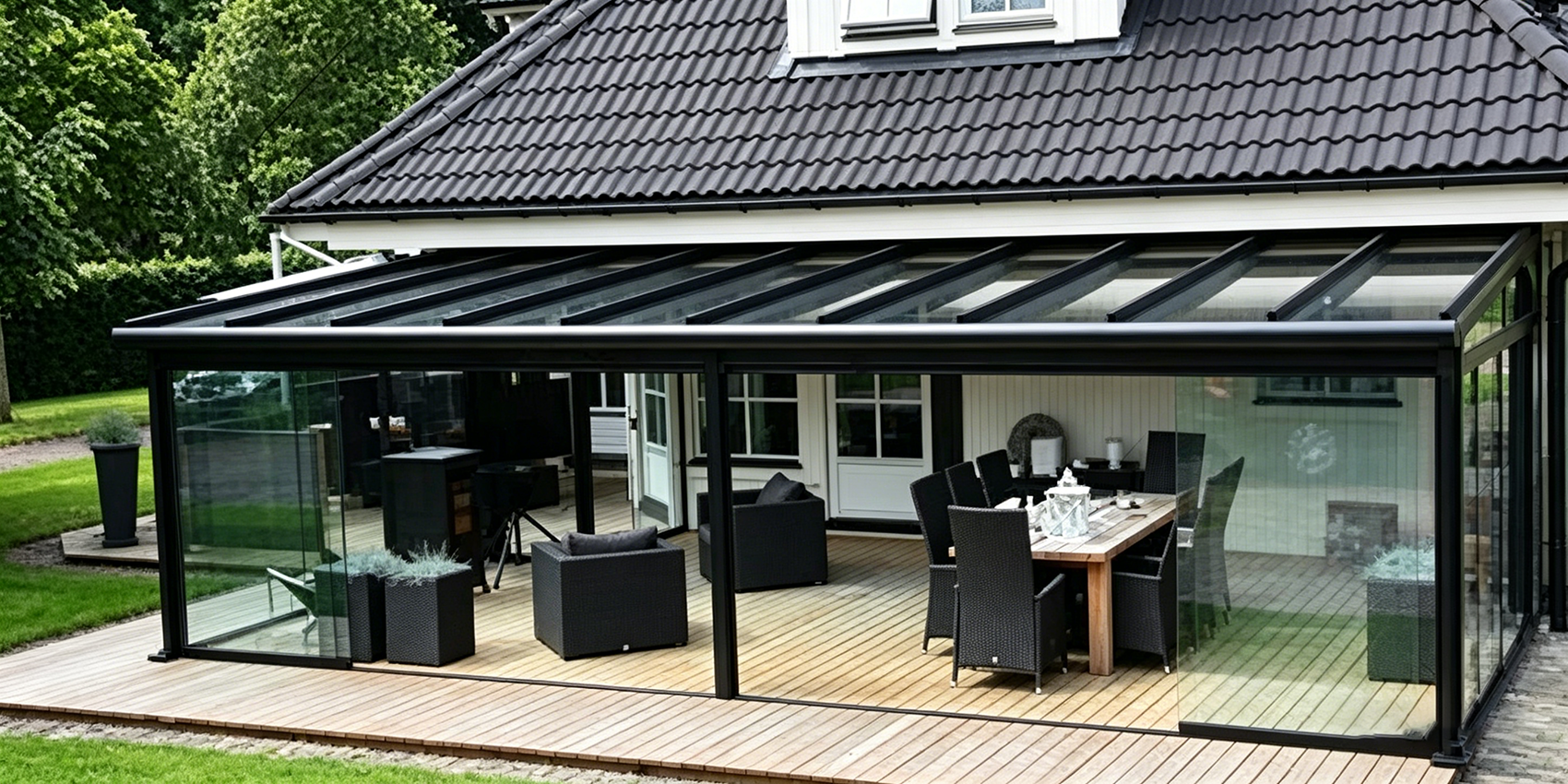
Future outdoor garden pavilions are no longer static shade structures; they operate as dynamic environmental managers. Next-generation louvered pavilions feature embedded microprocessors linked to smart home systems (Apple HomeKit, Google Home, KNX). Integrated rain, wind, and temperature sensors automatically adjust the angle of the roof blades. When a downpour is detected, the louver blades close tightly in seconds, sealing the space and diverting rainwater into internal gutter channels without human intervention.
2. Building-Integrated Photovoltaic (BIPV) Louver Roofs
As green building standards gain regulatory traction across Europe, North America, and Australia, energy-generating pavilions represent a fast-growing category. Photovoltaic solar cells integrated directly into the upper surface of aluminum louver blades allow the outdoor garden pavilion to function as an off-grid or grid-tied solar micro-generator, supplying clean power for integrated ambient lighting, motorized side blinds, outdoor heaters, and fan units.
3. Engineered High Wind & Snow Load Performance
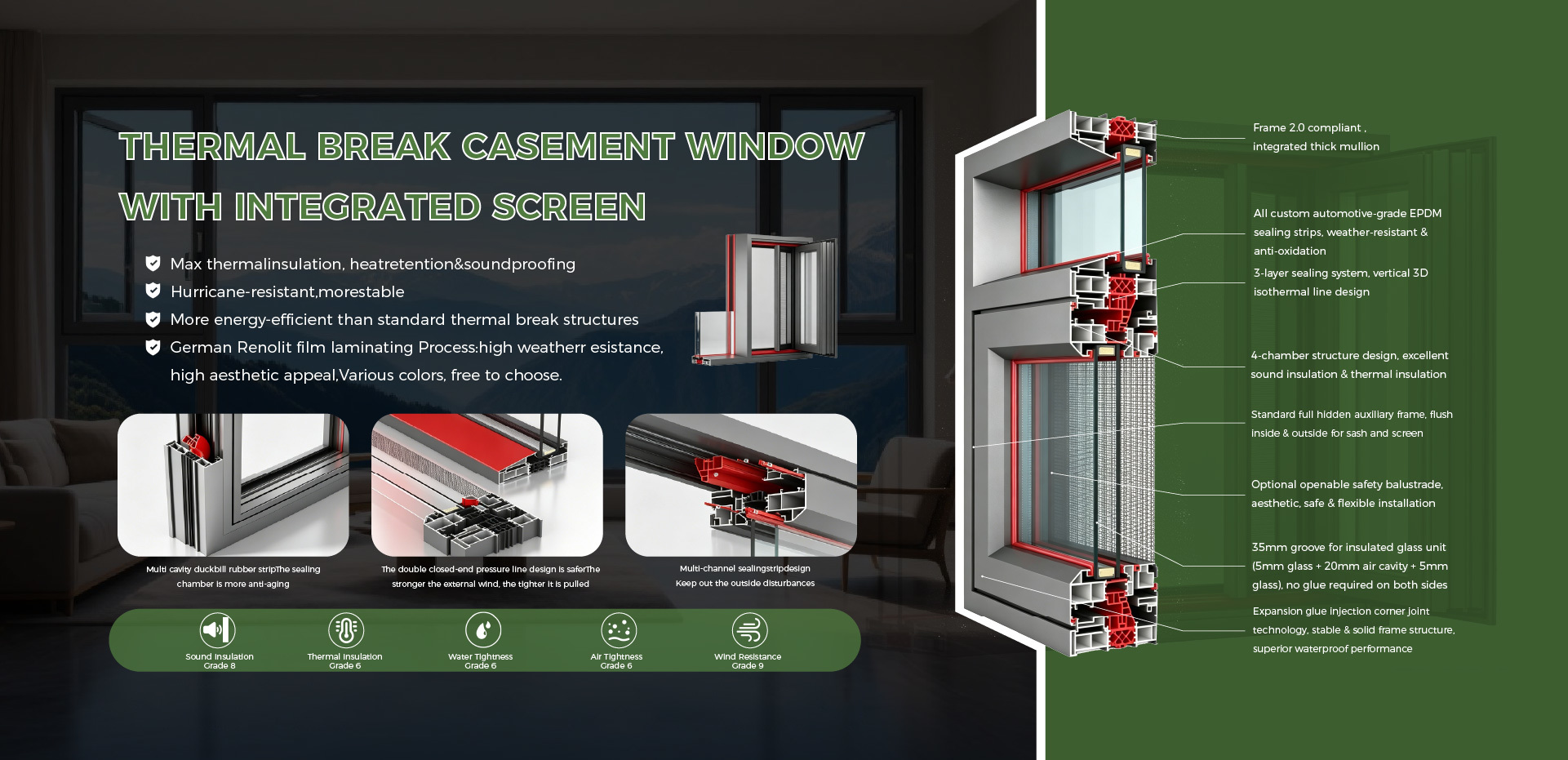
Climate volatility has elevated structural loading requirements for outdoor architectural installations. Importers and commercial project developers increasingly request certified wind load capacity up to 120–150 km/h and snow loading thresholds exceeding 120 kg/m². Achieving these structural benchmark parameters requires precision extrusion of 6063-T5 aluminum alloys, internal steel sleeve reinforcements at critical stress points, and heavy-duty stainless steel (Grade 316) assembly fasteners.
4. Modular Knock-Down (KD) Design for Freight Optimization
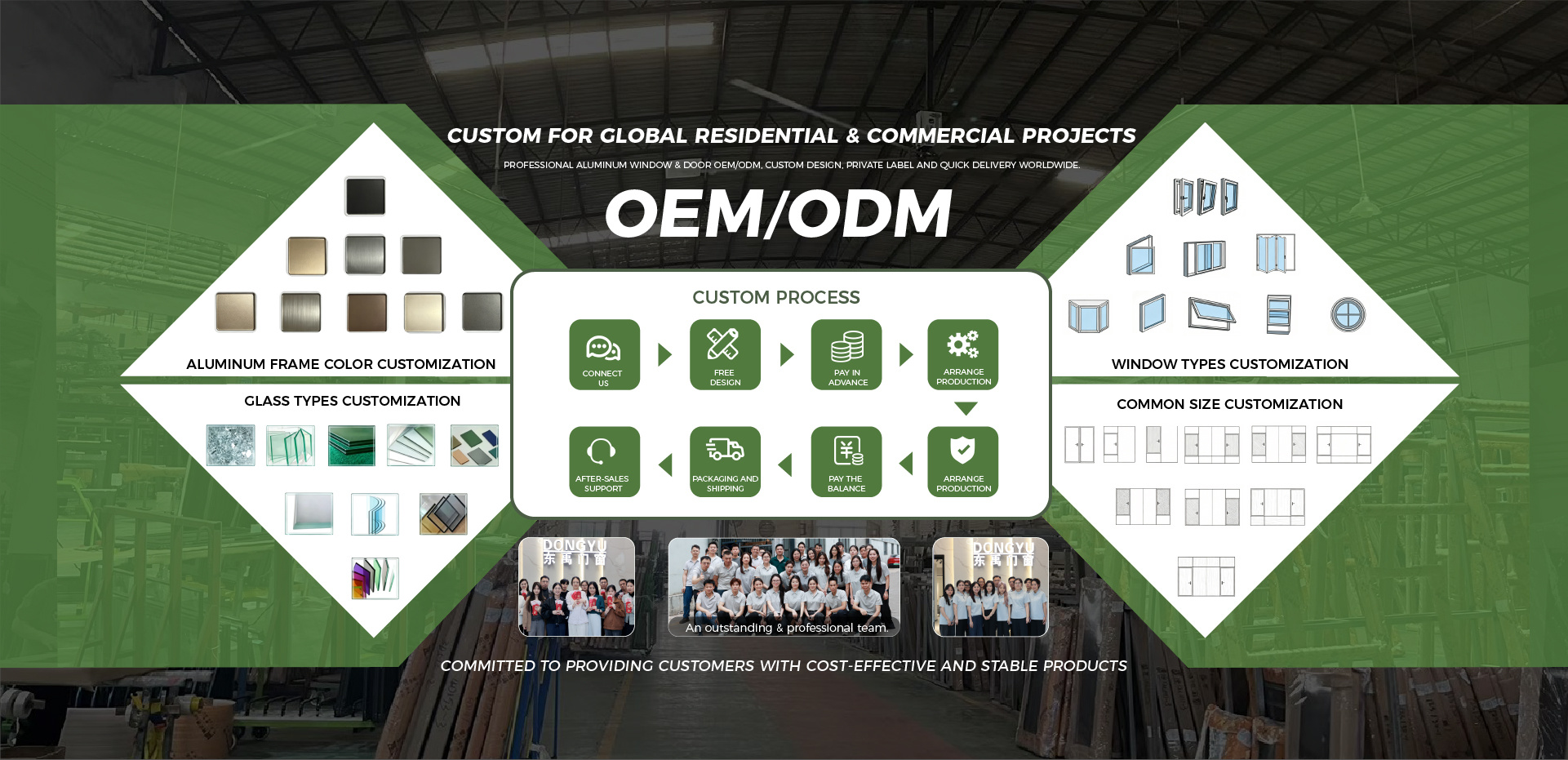
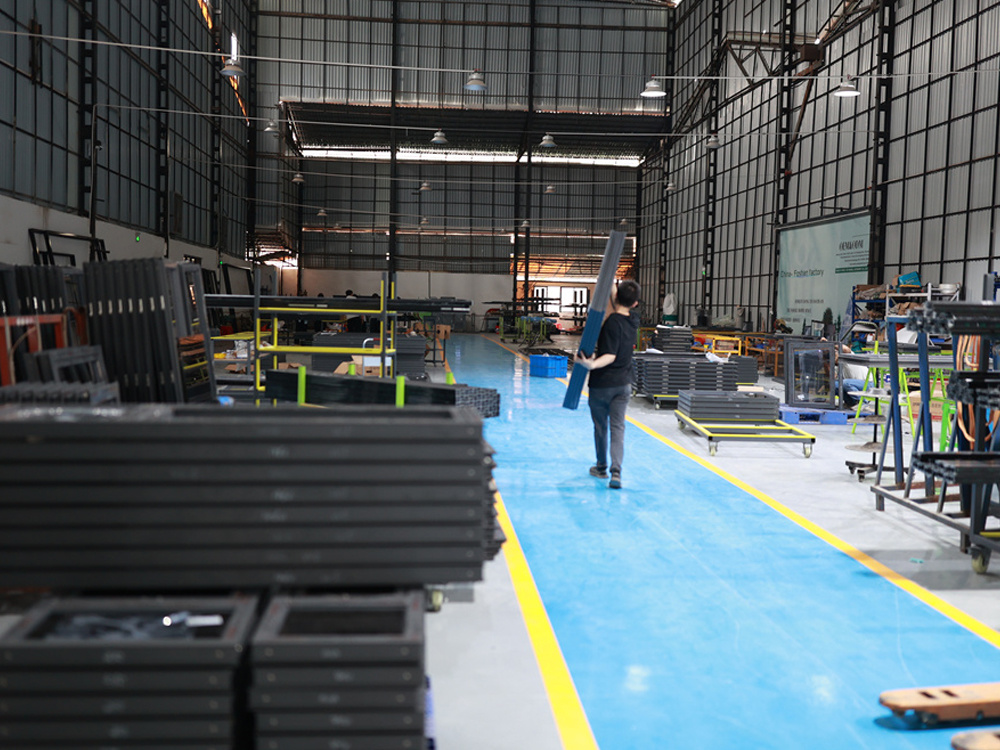
With ocean shipping freight costs remaining a critical component of landed cost calculations for international importers, structural engineering emphasizes modular, knock-down assembly profiles. By engineering precision CNC-machined interlocking joints, extruded column tracks, and standardized bracket connectors, Changsha Wincraft Aluminum Window Tech Co., Ltd. maximizes container volumetric efficiency while ensuring fast, error-free assembly on destination job sites.
5. Advanced Eco-Friendly Surface Coating Technologies
Coastal resorts and high-humidity tropical environments demand superior anti-corrosion protection. The procurement trend favors super-durable fluorocarbon (PVDF) spray coatings and AkzoNobel Qualicoat Class 2 / Class 3 powder coatings that pass 2,000 to 3,000 hours of continuous salt spray testing. These treatments prevent chalking, peeling, and color fade caused by intense UV exposure and marine atmospheric conditions.