Precision-Engineered Architectural Fancy Door Series
Explore our CE certified, thermal-break aluminium fancy doors. Designed for villas, high-end commercial entryways, and modern hospitality environments requiring maximum security, acoustic dampening, and aesthetic elegance.
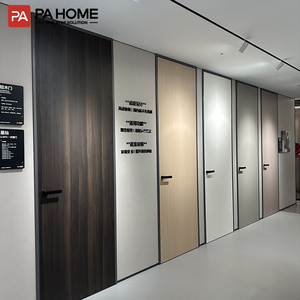
PA Modern Hotel Slim Aluminium Profile Wooden Door
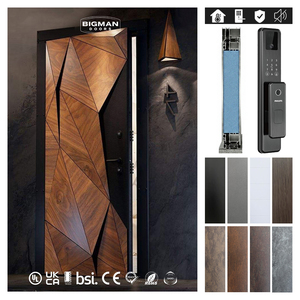
Luxury Modern 3D Triangle Aluminum Security Entry Door
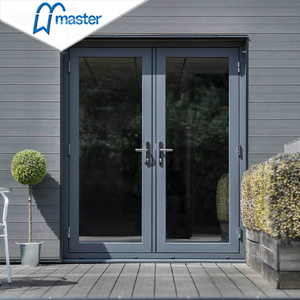
Wrought Aluminum Double French Patio Glass Doors
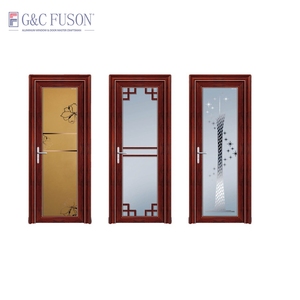
Commercial Double Glazed Swing Aluminum French Doors
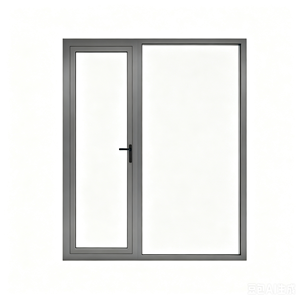
Easier Construction Double Glazed Aluminum Casement Door
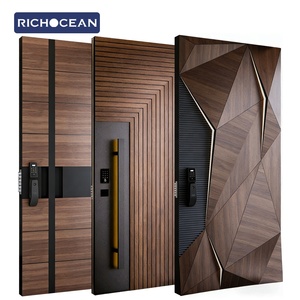
Richocean Luxury Armor Aluminum Front Entry Security Door
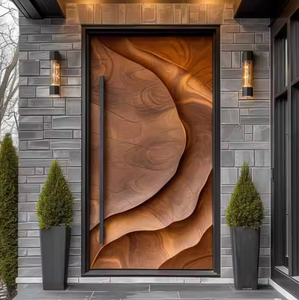
3D Sculpted Carved Cast Aluminum Villa Security Door
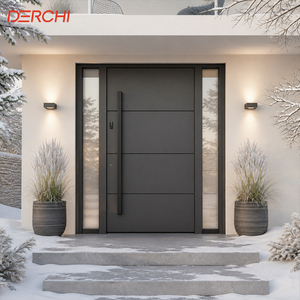
Custom Architectural Villa Exterior Security Front Door
Executive Whitepaper: Technical Engineering Standards for CE Certified Aluminium Fancy Doors
In modern international architectural procurement, specifying luxury aluminum entry systems requires strict adherence to European Union Construction Products Regulation (CPR 305/2011) and the harmonized standard EN 14351-1. A "fancy door"—often characterized by intricate 3D cast-aluminum sculpting, slim profile sightlines, embedded smart access sensors, or hybrid wood-metal profiles—must balance high-end visual prestige with structural, thermal, and ballistic resilience.
As leading manufacturers such as Changsha Wincraft Aluminum Window Tech Co., Ltd. demonstrate, achieving verifiable CE certification involves rigorous Factory Production Control (FPC) and mandatory third-party initial type testing (ITT) for wind load resistance, air permeability, watertightness, and structural thermal performance.
Core Material & Mechanical Benchmarks for Fancy Door Manufacturing
To assist procurement officers, architectural specifiers, and developers in drafting RFQs, the technical matrix below outlines the critical raw material and performance benchmarks required for CE-certified decorative aluminum entry systems:
| Performance Vector | Technical Specification Benchmark | Standard / Testing Protocol | Engineering Impact |
|---|---|---|---|
| Aluminum Alloy Profile | 6063-T6 or 6061-T6 High-Tensile Extrusion (Wall Thickness ≥ 2.0mm - 3.0mm) | GB/T 5237 / EN 755-2 | Prevents structural deflection under heavy wind loads; supports heavy armored glass units. |
| Thermal Insulation | Polyamide PA66GF25 (25% Glass Fiber Reinforcement) Thermal Break Strip | EN ISO 10077-2 ($U_f \le 1.6 \text{ W/m}^2\text{K}$) | Eliminates cold bridges, reduces HVAC energy losses, and prevents indoor condensation. |
| Surface Protection | Fluorocarbon PVDF Powder Coating (AkzoNobel / PPG) or 25μm Anodizing | AAMA 2605 / Qualicoat Class 2 | Guarantees 20+ years of resistance against salt spray, UV degradation, and chalking. |
| Burglar & Impact Resistance | Multi-Point Locking Mechanism with Anti-Drill Hardened Steel Plates | EN 1627 Class RC2 / RC3 / RC4 | Resists forced entry attempts with heavy tools, crowbars, and mechanical drills. |
| Acoustic Attenuation | Asymmetric Double/Triple Glazing with PVB/SGP Laminated Interlayers | EN ISO 140-3 ($R_w \ge 42 \text{ dB}$) | Blocks high-frequency urban sound pollution and low-frequency traffic noise. |
| Weather Sealing | Triple EPDM (Ethylene Propylene Diene Monomer) Continuous Gaskets | EN 12207 (Class 4 Air Permeability) | Prevents water penetration up to 600 Pa storm pressure (Class 9A under EN 12208). |
Enterprise Strengths & Global Supply Chain Infrastructure
Changsha Wincraft Aluminum Window Tech Co., Ltd. operates as a premier integrated manufacturer and exporter, delivering custom aluminum doors, windows, sunrooms, and pavilions directly from factory to job site across 80+ countries.
100% Direct Factory Sourcing
By eliminating trading intermediaries, Wincraft provides transparent B2B pricing, direct engineering control over custom extruded profiles, and strict quality verification at every production stage.
Bespoke OEM / ODM Technical Services
Full customization flexibility including private labeling, customized extruded die profiles, high-durability color finishes, specialized glass build-ups, and custom hardware integration tailored to local building codes.
Rapid 4-Week Manufacturing Cycle
Standard customized orders are manufactured within approximately 4 weeks following drawing confirmation. Multi-phase project delivery schedules are managed via automated SAP production line tracking.
24-Hour Engineering Support
Our in-house structural engineers evaluate architectural blueprints, conduct wind load calculations, and supply high-resolution 3D renderings and CAD shop drawings within 24 hours of initial consultation.
End-to-End Global Logistics
We provide full export handling, including fumigated steel A-frame crating, ocean freight containerization, customs clearing documents (Form E, CO, CE DoP), and door-to-door delivery services.
Strict Quality Assurance (QA) Gates
Every fancy door undergoes raw aluminum spectrometer verification, anodizing/coating thickness checks, corners torque tests, pre-assembly dry fitting, and 100% water tightness testing prior to packing.
Future Sourcing & Architectural Trends in Fancy Door Manufacturing
The commercial and residential architectural landscape is experiencing a paradigm shift driven by stringent carbon-neutrality mandates, extreme weather resilience requirements, and seamless indoor-outdoor living concepts. Sourcing teams must evaluate how upcoming technology trends impact long-term asset value:
1. Ultra-Slim Sightlines with Concealed Structural Hardware
Minimalist aesthetics demand ultra-slim frame profiles (down to 18mm visible interlock sightlines) capable of supporting large-format heavy glass panels weighing up to 400kg. Advanced manufacturers utilize aircraft-grade 6061-T6 alloys combined with concealed heavy-duty 3D adjustable pivot hinges and embedded multipoint locking rods, delivering uninterrupted glass vistas without sacrificing structural wind resistance.
2. Smart Biometric Integration & Smart Home Automation
Next-generation fancy doors are expanding beyond physical keys. Modern OEM factories integrate motorized automatic drop-down seals, concealed electromagnetic locks, facial recognition sensors, optical fingerprint scanners, and smart home IoT gateways directly into the door panel. CE compliance now extends to electrical safety (EN 60335) and electromagnetic compatibility (EMC) for smart entrance systems.
3. Passive House Thermal Decoupling & Vacuum Insulated Glass (VIG)
As energy efficiency standards tighten across the EU and North America, fancy doors are adopting multi-chamber structural polyamides (PA66GF25 with aerogel insulation inserts) paired with Vacuum Insulated Glass (VIG) or argon-filled triple Low-E glazing. Overall door thermal values ($U_d$) are reaching ultra-low thresholds below $0.8 \text{ W/m}^2\text{K}$, enabling fancy entrance doors to qualify for Passive House certification.
4. 3D Cast-Aluminum Carving & Hybrid Wood-Metal Materials
Luxury residential developments increasingly specify custom 3D cast-aluminum relief panels combined with interior solid hardwood veneers (such as American Black Walnut or Natural Oak). Cast aluminum exterior faces provide zero-maintenance weather resistance against harsh sunlight and ocean rain, while interior natural timber surfaces deliver organic luxury.
Global Market Dynamics & Factory Sourcing Strategy
The global aluminum door market is experiencing robust growth, driven by urban renovation in Europe and massive luxury residential construction across the Middle East, Southeast Asia, and North America. Sourcing directly from certified Chinese manufacturing hubs has evolved from simple cost arbitrage to a strategic partnership model centered on advanced manufacturing capabilities.
Precision CNC Machining & Automated Assembly
Leading factories utilize 5-axis CNC machining centers capable of milling, drilling, and corner crimping complex aluminum profiles up to 6 meters in length with 0.1mm accuracy. This eliminates manual fitment errors during site installation.
Sustainable Green Aluminum Sourcing
Environmentally conscious developers require Environmental Product Declarations (EPD). Modern aluminum extruders utilize low-carbon hydroelectric-smelted primary aluminum billets and high-recycled-content alloys to reduce embodied carbon.
Frequently Asked Questions for B2B Buyers & Importers
Clear, technical answers to common questions regarding CE certification, OEM workflow, logistics protection, and engineering feasibility.