Precision Engineered Aluminum Windows & Doors
Explore our core export-grade architectural systems customized for global residential, commercial, and luxury estate developments.
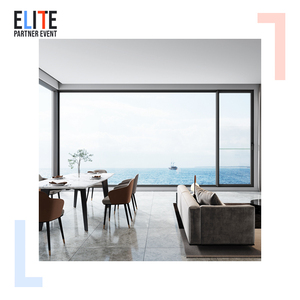
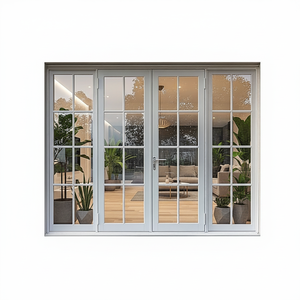
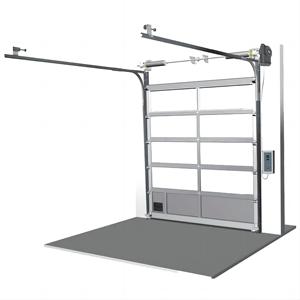
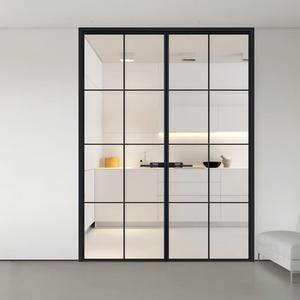
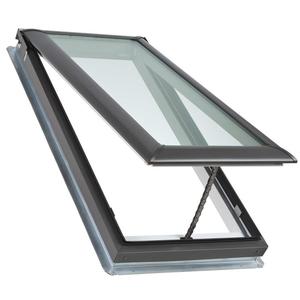
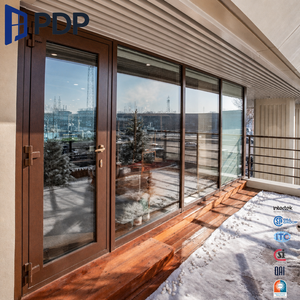
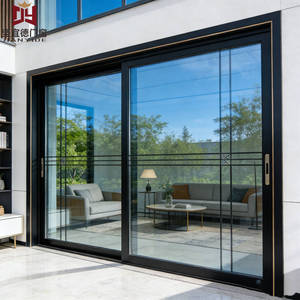
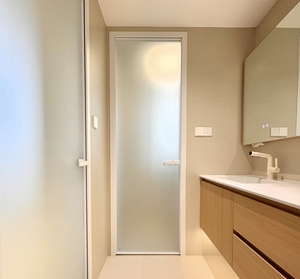
1. Executive Summary & Technical Evolution of Aluminum Jali Windows
In modern architectural fenestration, the search for China best aluminum Jali window manufacturers & factory options is driven by an unprecedented convergence of architectural aesthetics, structural security, and environmental engineering. Traditionally rooted in ornate geometric stone or timber lattice work across South Asia and the Middle East, the modern Jali window has undergone a radical material transformation. Today, high-grade extruded aluminum alloys (specifically 6063-T5 and 6063-T6) combined with high-tensile stainless steel micro-perforated screens or CNC-machined structural aluminum lattices have redefined building envelope performance.
For international buyers—ranging from real estate developers and facade engineering consultants to high-volume building material importers—sourcing directly from leading Chinese OEM/ODM factories provides a major strategic cost and technical advantage. Chinese manufacturers, spearheaded by technical innovators like Changsha Wincraft Aluminum Window Tech Co., Ltd., have bridged the gap between complex geometric customization and mass-scale precision engineering. By replacing legacy iron or wood grills with thermal-break aluminum frames and anti-burglar Jali mesh systems, modern fenestration achieves high wind-load pressure resistance (AS2047 compliant), superior acoustic isolation (STC ratings up to 42 dB), and zero-maintenance corrosion protection.
High-Security Anti-Theft Grilles
Integrated 304/316 marine-grade stainless steel micro-mesh or 3.0mm heavy-duty extruded aluminum decorative Jali grills providing RC2/RC3 forced-entry protection.
Thermal Break & Climate Adaptation
PA66 GF25 polyimide thermal barrier strips preventing heat transfer, drastically reducing HVAC energy loads in tropical or severe weather regions.
CNC Architectural Customization
State-of-the-art laser cutting and structural routing allowing intricate Islamic, modern geometric, or traditional lattice patterns directly on solid aluminum panels.
2. Engineering Specifications & Structural Comparative Matrix
When engineering architectural aluminum Jali windows for commercial complexes, luxury residential villas, or governmental contracts, technical directors must evaluate material composition, profile depth, and glazing assembly. Below is a detailed engineering performance matrix comparing standard non-thermal Jali frames against advanced thermal-break integrated security Jali systems manufactured in China.
| System Specification Parameter | Standard Non-Thermal Jali Window | Heavy-Duty Thermal Break Jali Window | Integrated Multi-Track Jali Casement |
|---|---|---|---|
| Aluminum Alloy Grade | 6063-T5 (Standard Extrusion) | 6063-T6 / 6061-T6 High-Tensile Alloy | 6063-T6 Architectural Grade |
| Profile Wall Thickness | 1.4 mm – 1.6 mm | 2.0 mm – 3.0 mm (Structural Load Bearing) | 1.8 mm – 2.5 mm Multi-Chamber |
| Thermal Insulation Strip | N/A (Direct Heat Transfer) | PA66 GF25 Polyimide Strip (24mm–34mm) | Multi-Cavity PA66 Structural Barrier |
| Overall Frame U-Factor | > 4.8 W/m²·K | 1.6 – 2.2 W/m²·K (Energy Star Compliant) | 1.4 – 1.8 W/m²·K |
| Acoustic Performance (STC) | 28 dB – 32 dB | 38 dB – 44 dB (Double Laminated Glazing) | 40 dB – 45 dB (Triple Sealed) |
| Security Mesh Coating | Standard Epoxy Powder | AkzoNobel/PPG PVDF Fluorocarbon Coating | AkzoNobel Marine Grade Electrostatic |
| Wind Load Resistance | 1500 Pa – 2000 Pa | Up to 3500 Pa (AS2047 / ASTM E330) | 3000 Pa – 4000 Pa (Cyclone Rated) |
| Hardware Integration | Single Point Latch | German Siegenia / HOPO Multi-Point Lock | CMECH 8-Point Anti-Pry Lock System |
The structural advantage of sourcing aluminum Jali window systems from Changsha Wincraft lies in our proprietary multi-cavity extrusion designs. The micro-perforated or geometric Jali frame acts not only as a visual screen and solar shade but also as a protective physical barrier against structural impacts and high wind velocities. By customizing aperture ratios (from 25% open area for intense solar shading to 65% for maximized natural light and air permeability), our engineering team calculates exact light transmission vectors and thermal heat gain coefficients (SHGC) for optimal building efficiency.
3. Advanced Manufacturing Processes & Quality Control Protocols
Understanding how a leading China factory manufactures high-grade aluminum Jali windows is essential for international quality assurance. The production life cycle involves rigorous material control, high-precision machining, and electro-chemical surface finishing:
Step 1: Alloy Billet Extrusion & Homogenization
Raw aluminum ingots consisting of precise magnesium and silicon ratios are heated to 480°C and extruded through precision dies. The resulting profiles undergo solution heat treatment and artificial aging to achieve a minimum Webster hardness of 12-15 HW (T6 temper), ensuring that the window profiles will not warp under heavy wind loading or structural deflection.
Step 2: CNC Laser Perforation & Precision Routing
For custom geometric Jali patterns, raw aluminum sheets or solid extruded infills are placed on high-power 12,000W fiber laser cutting tables. Computerized numerical control (CNC) eliminates burrs and thermal distortion, producing sharp, clean geometric edges according to architectural CAD drawings with tolerances within ±0.1mm.
Step 3: Surface Pre-treatment & PVDF Electrostatic Coating
Corrosion resistance is paramount for international export. Aluminum profiles undergo a 9-stage chemical pre-treatment process including degreasing, alkaline etching, and zirconium chromate-free conversion coating. Profiles are then finished with AkzoNobel or PPG fluorocarbon (PVDF) 3-coat electrostatic spraying, passing a 10,000-hour salt spray test—vital for coastal applications subjected to salt-fog and aggressive UV exposure.
Step 4: Corner Crimping & EPDM Gasket Integration
Frame joints are structurally connected using heavy-duty cast aluminum corner keys combined with dual-component polyurethane corner-injecting glue. Double or triple continuous EPDM (Ethylene Propylene Diene Monomer) rubber gaskets ensure flawless air infiltration prevention and rain penetration resistance under dynamic pressure differential testing.
Enterprise Advantage: Changsha Wincraft Aluminum Window Tech Co., Ltd.
As a leading Chinese manufacturer and global exporter of high-grade fenestration systems, Wincraft combines a 20,000㎡ modern manufacturing plant with advanced German and Italian production equipment. We specialize in OEM/ODM production of custom aluminum doors, windows, sunrooms, and decorative architectural Jali panels, providing global contractors, distributors, and architects with turnkey project solutions.
4. Global B2B Sourcing Trends: Future of Aluminum Jali Fenestration (2025–2030)
The global demand for high-performance aluminum Jali windows is shifting rapidly driven by regulatory changes, sustainability goals, and evolving architecture. Key trends transforming the industry include:
A. Integration of Smart Micro-Sensor & Motorized Jali Panels
Modern building management systems (BMS) are demanding automated facades. The newest generation of aluminum Jali windows features hidden motorized linear actuators capable of opening sliding or pivoting Jali panels based on indoor air quality, ambient solar radiation, or rainwater sensors. Commercial buyers are increasingly specifying smart motorized Jali screens that optimize dynamic solar shading throughout the day.
B. Ultra-Slim Sightline Structural Thermal Break Systems
Architectural minimalism favors maximum glass area framed by ultra-narrow aluminum profiles (sightlines under 30mm). China’s top manufacturers are engineering high-strength aluminum alloys capable of supporting heavy double-glazed units while accommodating an outer flush-fitting anti-theft Jali screen without expanding frame depth.
C. Sustainable Low-Carbon Aluminum & Circular Economy
European and North American B2B buyers are enforcing strict Carbon Border Adjustment Mechanism (CBAM) requirements. Leading factories in China are adopting recycled green aluminum (hydropower-smelted primary billets) to reduce the embodied carbon footprint of extruded window profiles from 16 kg CO2e/kg to under 4 kg CO2e/kg of aluminum.
D. Modular Prefabricated Unitized Jali Wall Systems
To reduce expensive job-site labor in North America, Australia, and the Middle East, factories are supplying pre-glazed, pre-assembled modular Jali window units. These factory-tested systems allow rapid installation on high-rise structures, guaranteeing air and water tightness before leaving the factory floor.
5. B2B Procurement Risk Mitigation & Factory Verification Guide
Sourcing building materials across international borders requires a systematic procurement protocol. To mitigate risks related to dimension mismatch, finish degradation, or shipping delays, global procurement managers should enforce the following 5-point verification framework when working with Chinese aluminum window factories:
1. Verify Engineering Standard Certifications: Ensure the factory holds verified test reports for target export markets—such as AS2047 / AS1288 for Australia, CE / EN 14351-1 for Europe, and NFRC / AAMA testing for North America.
2. Mandatory 24-Hour CAD Shop Drawing Approval: Before raw extrusions are cut, demand detailed structural CAD shop drawings detailing profile thickness, glass build-up, hardware placement, water drainage channels, and expansion joint allowances.
3. Inspect Hardware & Gasket Authenticity: Counterfeit hardware leads to high failure rates. Demand original brand certificates for imported hardware (such as Siegenia, Roto, GU) or high-grade domestic architectural brands (HOPO, CMECH, Kin Long).
4. Third-Party Pre-Shipment Factory Audit: Utilize inspection agencies (SGS, TÜV, Intertek) to audit corner seam tolerances, powder coating film thickness (minimum 60–80 microns), double-glazing seal integrity (dew point testing), and operational torque tests.
5. Export Packaging & Containerization Controls: Delicate Jali patterns require multi-layer protection: protective film applied to profiles, custom wooden crates, shrink-wrap moisture sealing, and internal container tie-downs to survive sea freight transport.
6. Frequently Asked Questions (FAQ) for International B2B Buyers
Answers to critical technical and commercial questions buyers ask before placing orders for custom aluminum Jali window systems.
Do you accept OEM and ODM orders for aluminum Jali doors and windows?
Yes. We support complete OEM and ODM cooperation. Our engineering team can develop custom aluminum profile dies, specialized Jali mesh patterns, private label packaging, and customized hardware configurations based on your CAD/BIM drawings or market specifications.
What is the standard production lead time for customized Jali window orders?
Standard customized orders are manufactured within approximately 4 weeks (28 calendar days) after final shop drawing approval and deposit receipt. For large-scale commercial project developments, we offer staged batch shipments aligned with your job-site construction schedule.
Can your technical team provide shop drawings and renderings before production?
Yes. Our dedicated structural engineering department communicates directly with developers, architects, and buyers. We deliver initial 3D renderings and 2D CAD design proposals within 24 hours, followed by comprehensive structural shop drawings for formal client sign-off.
How do you guarantee wind load and water resistance for coastal or high-rise projects?
All aluminum profile systems are engineered according to structural wind load calculations (up to 4000 Pa). We utilize heavy-duty 6063-T6 alloys, internal continuous EPDM weather-stripping, concealed multi-stage drainage channels, and multi-point prying-resistant locking mechanisms tested to AS2047 and ASTM standards.
What surface coating options are available for harsh UV or salt-spray environments?
We provide AkzoNobel fluorocarbon (PVDF) coating, anodized surface finishes (15-25 microns), and Italian heat-transfer wood-grain finishes. Our PVDF 3-coat system resists severe UV degradation, chalking, and salt-spray corrosion, backed by a 15-to-20 year surface warranty.
What full export logistics support do you provide to global destinations?
We offer full export logistics support including custom ISPM-15 compliant wooden crating, customs documentation, Bill of Lading generation, real-time container tracking, and CIF/DDP (door-to-door delivery) solutions depending on buyer requirements.
Ready to Engineer Your Project's Aluminum Jali Fenestration?
Connect directly with our engineering team for CAD drawing reviews, material cost calculations, or customized OEM/ODM factory pricing.