Architectural Fenestration Whitepaper
Custom OEM Aluminum Lanai Doors: Engineering Standards & B2B Procurement Strategy
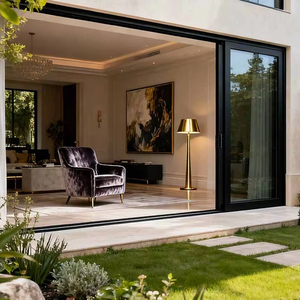
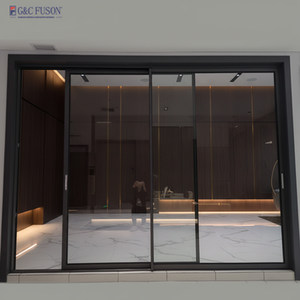
Modern architectural design increasingly demands seamlessly unified indoor-outdoor living spaces. Aluminum Lanai Doors—traditionally popularized in tropical and coastal residential master plans—have evolved from simple screen enclosures into sophisticated, high-performance structural glass envelope systems. For global wholesale distributors, real estate contractors, and facade engineers, selecting a certified OEM aluminum lanai doors manufacturer is critical to ensuring compliance with stringent building codes, structural deflection limits, and extreme weather requirements.
At Changsha Wincraft Aluminum Window Tech Co., Ltd., we specialize in complete contract manufacturing, standardizing thermal-break extrusions, custom powder-coating finishes, and dynamic multi-slide configurations. This whitepaper evaluates the critical structural parameters, material selection criteria, and macro-level procurement trends shaping the global fenestration supply chain.
6063-T5/T6 Structural Alloys
Utilizing high-tensile virgin aluminum extrusions with tensile strength exceeding 185 MPa for large-span panelling without structural warping.
Polyamide PA66 GF25 Insulation
Integrated 24mm to 34mm glass-fiber reinforced polyamide thermal break strips engineered to achieve U-factors below 1.4 W/m²K.
ASTM B117 Salt Spray Testing
Qualicoat Class 2 certified fluorocarbon (PVDF) and electrostatic powder coatings built to endure 3,000+ hours of coastal salt spray exposure.
Structural Engineering & Extreme Weather Performance
Lanai doors frequently span vast architectural openings up to 4 meters in height, exposing the framing profile to massive wind pressures and wind-borne debris in coastal regions. B2B purchasers must scrutinize structural profile moment of inertia ($I_x$) values when evaluating OEM manufacturing specs. Standard patio sliding profiles lack the stiffening ribs required to pass Florida Building Code (FBC) impact requirements or Australian AS2047 standards.
Wincraft solves structural deflection through heavy-wall interlock mullions integrated with internal steel or high-grade alloy reinforcement cores. This guarantees that oversized multi-panel pocket sliding lanai doors retain smooth glide operations under positive and negative wind loads exceeding DP60 (Design Pressure 60 PSF).
| Performance Specification |
Standard Residential Grade |
Commercial Wincraft OEM Spec |
High-Velocity Hurricane Zone (HVHZ) |
| Profile Wall Thickness |
1.4mm – 1.6mm |
2.0mm – 3.0mm Structural Alloy |
3.0mm – 4.5mm Heavy Duty Extrusion |
| Aluminum Grade |
Recycled 6063-T5 |
Primary 6063-T6 / 6061-T6 |
Primary High-Toughness 6061-T6 |
| Thermal Insulation (U-Factor) |
2.8 – 3.2 W/m²K |
1.4 – 1.8 W/m²K (Thermal Break) |
1.1 – 1.4 W/m²K (Triple Glazed Low-E) |
| Acoustic Isolation (STC) |
28 – 32 dB |
38 – 42 dB (Argon-filled IGU) |
45+ dB (Laminated Acoustic Glass) |
| Water Penetration Resistance |
250 Pa |
600 Pa (Sub-sill drainage track) |
900 Pa (Step-down pressure seal) |
Future Sourcing & Manufacturing Trends (2025–2030)
As commercial building energy mandates tighten globally, procurement directors are adjusting their supply chain criteria for aluminum doors and windows. Four core trends define the near-future market:
- Ultra-Minimalist Ultra-Narrow Stiles: Modern luxury residential trends prioritize hidden frame profiles where vertical stiles measure under 20mm in visible width, requiring ultra-precise CNC milling and specialized structural glass silicone bonding.
- Zero-Threshold ADA Flush Tracks: Modern lanai doors are replacing traditional raised tracks with concealed flush floor drainage systems, utilizing integrated sub-surface linear channels to prevent water ingress while maintaining zero tripping hazards.
- Smart Building System Integration: Automated motorization hidden within the top head track, allowing automated operation via smart home hubs, wind sensors, and biometric entry locks.
- Carbon Footprint Reduction & EPD Certification: European and North American buyers increasingly mandate Environmental Product Declarations (EPD) proving low-carbon aluminum smelting practices and fully recyclable thermal break components.
Ready to Scale Your Fenestration Supply Chain?
Consult directly with Wincraft facade engineers for custom profile extrusion drawings, structural wind load calculations, and comprehensive OEM factory quotes.