Featured Fenestration Systems & Products
Precision-Engineered Architectural Solutions for Global Importers, Contractors, and Commercial Projects
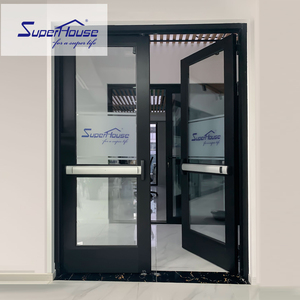
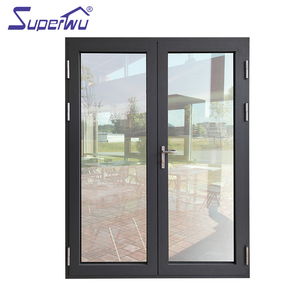
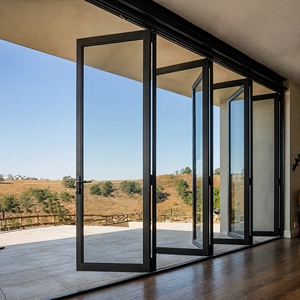
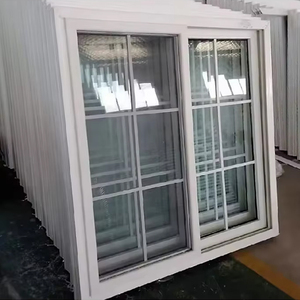
Industrial Whitepaper: Sourcing High-Performance Aluminum Single Windows & Doors from China
The global architectural fenestration sector is undergoing a structural paradigm shift driven by stringent decarbonization targets, evolving building codes, and an increasing demand for aesthetic minimalism. As high-rise commercial structures and luxury residential villas require elevated thermal performance, cyclone resilience, and long-term acoustic isolation, selecting a reliable single window factory in China has moved from simple unit cost comparison to a holistic evaluation of engineering capability, alloy metallurgy, profile design, and supply chain transparency.
Information Gain Insight: Modern architectural aluminum windows are no longer passive metal frames holding glass. They are complex multi-layer thermal barriers integrated with polyamide PA66 GF25 structural insulation strips, multi-cavity perimeter EPDM weather-stripping, and electro-galvanized multi-point hardware systems engineered to withstand structural wind loads exceeding 5000 Pa.
Changsha Wincraft Aluminum Window Tech Co., Ltd. (Wincraft) stands at the forefront of this industrial evolution. Operating a state-of-the-art 20,000 m² manufacturing plant equipped with automated CNC profile machining centers, double-head precision cutting saws, and automated insulating glass assembly lines, Wincraft offers global B2B buyers—including commercial contractors, real estate developers, hardware distributors, and architectural firms—factory-direct OEM/ODM capabilities backed by deep engineering expertise.
Future Sourcing & Architectural Fenestration Trends (2025–2030)
For international buyers navigating cross-border procurement, anticipating technical trends is vital for ensuring compliance with regional building standard updates, such as the EU Energy Performance of Buildings Directive (EPBD), Australia's NCC energy efficiency requirements, and North American NFRC / AAMA testing standards.
1. Ultra-Low U-Value & Passive House Standard
Thermal insulation profiles incorporating multi-chamber PA66 GF25 thermal breaks, combined with triple-glazed Low-E units filled with 90%+ Argon gas, are replacing traditional non-thermal break profiles globally. Target system U-factors below 0.8 W/m²K (0.14 BTU/h·ft²·°F) are becoming mandatory for European and North American cold-climate projects.
2. Ultra-Slim Profiles & Concealed Frame Systems
Modern architectural design favors maximal transparent daylighting. Sourcing trends prioritize narrow sightline sliding doors and single windows with interlock profile widths reduced down to 20mm–25mm, paired with heavy-duty hidden rollers capable of supporting sash weights up to 400 kg.
3. Automated & Smart Building Integration
Motorized awning windows, automated skylights, and electric sliding systems integrated with Tuya, KNX, or Zigbee smart home protocols are surging in commercial and luxury residential markets. Weather sensors automatically seal windows upon detecting wind speeds above 15 m/s or rain precipitation.
Technical Benchmark & Alloy Specification Matrix
Understanding raw material specifications is essential to avoid structural failures, frame oxidation, or seal degradation over extended building lifecycles.
| Performance Parameter | Standard Commercial Grade | Wincraft High-Performance Standard | Architectural Testing Compliance |
|---|---|---|---|
| Alloy Metallurgy | Recycled Aluminum Scrap / 6063-T5 | Primary Pure Ingot 6063-T6 / 6061-T6 (Wall thickness 1.4mm–3.0mm) | GB/T 5237, ASTM B221 |
| Thermal Break Strip | Recycled PVC or Low-Grade Nylon | Imported Technoform PA66 GF25 (25% Glass Fiber Reinforced Polyamide) | EN 14024, ISO 18872 |
| Glass Configuration | Single Tempered or Double Clear Glazing | Double/Triple Tempered + Argon + Warm Edge Spacer + Dual Low-E Coating | SGCC (US), CE EN 12150, AS/NZS 2208 |
| Surface Finish | Standard Anodizing (10 microns) | AkzoNobel / PPG Powder Coating (AAMA 2604 / 2605, 60–80 microns) | Qualicoat Class 2 / Class 3 |
| Acoustic Isolation | STC 25 – STC 30 | STC 40 – STC 48 (Laminated Acoustic PVB Double Glazed) | ASTM E90, ISO 10140 |
| Water Tightness & Wind Load | 300 Pa / 2500 Pa | 700 Pa / 5000+ Pa (ASTM Impact & Hurricane Rated) | AS2047, NFRC, ASTM E330 |
Enterprise Advantage: Why Partnering with Wincraft Maximizes ROI
Sourcing directly from a single window factory like Wincraft eliminates multi-tier broker markups, resolves technical communication friction, and enforces rigorous quality control across every production stage.
Direct OEM/ODM Customization
We engineer custom window profiles, thermal barrier depths, color RAL matching, private-label branding, and bespoke packaging based on your precise architect blueprints or market demand.
24-Hour Design & Shop Drawings
Our in-house facade structural engineering team provides 24-hour turnaround for CAD shop drawings, 3D renderings, and structural wind pressure calculations prior to sample creation or mass production.
Streamlined ~4-Week Lead Time
Optimized lean manufacturing schedules deliver standard custom orders within approximately 4 weeks, protected by multi-layer export timber crating designed for safe ocean container transit.
Frequently Asked Questions: Sourcing & Engineering Guidance
Real-world technical and commercial answers designed for procurement leads, site engineers, and project architects.
1. What distinguishes PA66 polyamide thermal break strips from PVC alternatives?
2. What profile wall thickness is recommended for modern single windows and sliding doors?
3. How do fire-rated aluminum glass doors maintain structural integrity for 30/60/90/120 minutes?
4. How does Wincraft ensure products meet regional building codes (AS2047, NFRC, CE)?
5. What surface finishing treatments are available for coastal or high-salinity environments?
6. Can Wincraft produce custom die extrusions for proprietary window hardware or system designs?
7. What is the standard packaging protocol for long-distance container ocean freight?
8. How do motorized skylights and automatic sliding windows handle emergency power outages?
9. What is the typical MOQ (Minimum Order Quantity) for custom window orders?
10. How does the order and drawing sign-off process work from inquiry to delivery?
Ready to Upgrade Your Fenestration Sourcing?
Contact Changsha Wincraft Aluminum Window Tech Co., Ltd. today to request structural engineering support, custom profile samples, or a complete product catalog.
Get Catalog