Featured Fenestration & Patio Door Systems
Custom-engineered profile configurations, high-performance thermal breaks, and hurricane-rated glazing for global architects, contractors, and B2B buyers.
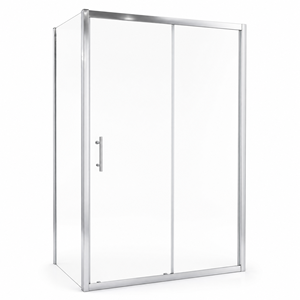
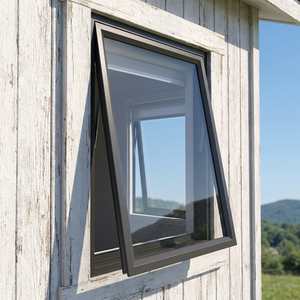
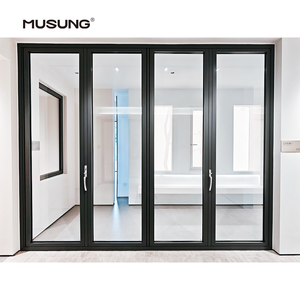
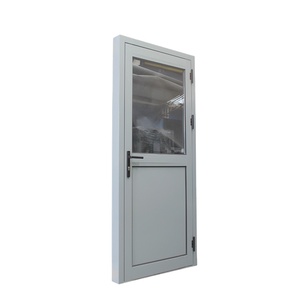
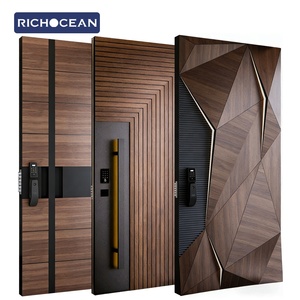
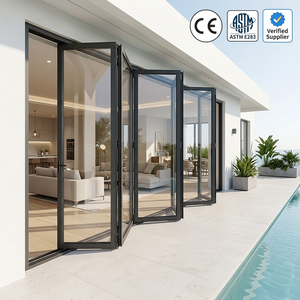
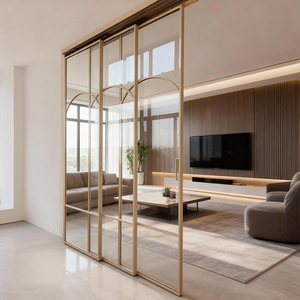
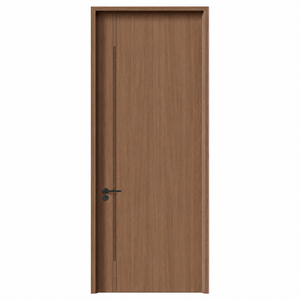
Engineering Anatomy of Premium Aluminum Clad Patio Doors
Understanding the composite structural physics, thermal break isolation, and material selection that drive modern high-end fenestration performance.
1. Composite Structural Architecture: Aluminum Exterior + Solid Timber Core
An aluminum clad patio door represents the pinnacle of modern residential and commercial fenestration engineering. It seamlessly reconciles two historically opposing structural goals: severe outdoor weather endurance and warm, luxurious indoor architectural aesthetic. The system utilizes an exterior shell of high-tensile 6063-T6 extruded aluminum alloy (minimum wall thickness of 1.8mm to 2.2mm), combined with a interior structural core of kiln-dried, finger-jointed or solid timber timber such as Larch, White Oak, Teak, or Pinus Sylvestris.
The mechanical connection between the exterior aluminum cladding and interior timber core is engineered using specialized polyamide high-density nylon snap-fit clips. Unlike rigid direct-fastening methods, these floating clips create an indispensable expansion gap. Because aluminum and wood possess dramatically different thermal expansion coefficients ($\alpha_{Al} \approx 23 \times 10^{-6} / K$ versus wood's longitudinal stability), this floating attachment mechanism prevents profile warping, timber shear stress, and internal glass seal degradation across extreme seasonal temperature swings (from -30°C winter conditions to +60°C direct sun exposure).
2. Thermal & Acoustic Performance Metrics (U-Value & STC Isolation)
Energy efficiency compliance under modern global building energy standards—such as ENERGY STAR® in North America, CE / EN 14351-1 in Europe, and AS2047 / AS1288 in Australia—demands rigorous thermal insulation metrics. By incorporating PA66GF25 (25% glass-fiber reinforced polyamide) thermal break strips and multi-chamber foam insulation inside the exterior extruded profile, China's leading export-grade aluminum clad patio door systems achieve overall window thermal transference coefficients (Uw ≤ 0.8 to 1.2 W/m²·K / U-Factor ≤ 0.14 to 0.20 Btu/h·ft²·°F).
Simultaneously, acoustic attenuation is maximized through multi-layer IGUs (Insulated Glass Units). Utilizing double or triple tempered Low-E glass configurations (e.g., 6mm Low-E + 16Ar + 6mm or 5mm + 12Ar + 5mm + 12Ar + 5mm) filled with 90%+ pure Argon gas and sealed with warm-edge composite spacers (Swisspacer or Technoform), sound transmission class (STC) ratings comfortably exceed STC 42 dB to STC 48 dB. This makes aluminum clad patio doors the preferred choice for oceanfront luxury villas, urban mid-rise developments, and boutique commercial hotel suites.
Comparative Engineering Matrix
Technical evaluation of exterior door framing materials for commercial and residential procurement.
| Material / System Type | Thermal U-Factor (Btu/h·ft²·°F) | Acoustic Isolation (STC) | Weatherability & UV Life | Interior Architectural Aesthetic | Maintenance Cycle |
|---|---|---|---|---|---|
| Aluminum Clad Timber (Wincraft Standard) | 0.14 - 0.20 (Ultra Low) | STC 42 - 48 dB | 50+ Years (AAMA 2605 PVDF) | Solid Natural Hardwood / Luxury | Zero Exterior Maintenance |
| Thermally Broken Aluminum | 0.26 - 0.35 (Moderate) | STC 35 - 40 dB | 40+ Years | Metallic / Anodized / Powder Coated | Low Maintenance |
| Solid Wood (Unclad Exterior) | 0.20 - 0.28 (Good) | STC 38 - 42 dB | 10-15 Years (Prone to Rot) | Solid Natural Hardwood | High (Repainting every 3-5 yrs) |
| Vinyl / uPVC Profile | 0.28 - 0.38 (Fair) | STC 28 - 34 dB | 15-20 Years (UV Degradation) | Plastic / Synthetic Texture | Low to Moderate |
Future B2B Procurement Trends for Aluminum Clad Patio Doors
Key market shifts driving global demand, engineering innovation, and supply chain strategies in high-performance fenestration.
1. Passive House & Net-Zero Carbon Mandates
Global building codes (such as Germany's Passivhaus standard, California Title 24, and Australia's NatHERS 7-Star rating) are pushing thermal efficiency thresholds to historic levels. B2B procurement managers are shifting heavily toward triple-glazed thermally broken aluminum clad patio doors integrated with aerogel insulating cores and vacuum insulated glass (VIG). Suppliers capable of delivering certified U-factors below 0.15 are taking dominant market share in North American and European imports.
2. Ultra-Slim Sightlines & Large-Span Motorization
Contemporary residential design demands expansive, unobstructed visual sightlines. Modern aluminum clad patio door procurement prioritizes flush-threshold lift-and-slide systems and narrow-interlock profiles (as thin as 25mm to 35mm viewable width). Heavy panel weights (up to 400kg to 600kg per glass leaf) have accelerated the adoption of automated magnetic-levitation drive motors, concealed heavy-duty stainless rollers, and smart home sensor integration.
3. Severe Weather & Hurricane Impact Resilience
With extreme climate events rising worldwide, developers in coastal zones (Florida/Caribbean TAS 201/202/203, Australia Wind Region C/D, and East Asian Typhoon Corridors) require patio doors rated for high design pressure (DP ±70 to DP ±100 PSF). Procurement is gravitating toward SGP (SentryGlas®) laminated safety glass paired with multi-point lock hardware (Siegenia / Hoppe / Roto) engineered to withstand missile impact testing and torrential rain penetration.
4. Sustainable Sourcing & EPD Transparency
Corporate environmental goals (ESG) require fenestration manufacturers to provide verifiable supply chain tracking. International importers now expect FSC (Forest Stewardship Council) certified timber, low-embodied-carbon recycled aluminum extrusions, and water-based environmentally friendly wood finishes (such as German Remmers or Sikkens coatings) backed by third-party Environmental Product Declarations (EPD).
5. Direct Factory OEM/ODM Standardization
Traditional multi-tier distribution channels are rapidly compressing. Overseas project buyers, commercial real estate developers, and window brand owners are increasingly negotiating direct contracts with established Chinese manufacturing hubs. By leveraging 24-hour CAD design rendering turnaround, structural shop drawing sign-offs, and factory-direct quality control audits, B2B procurement costs are reduced by 30% to 45% without sacrificing technical performance.
Manufacturing Technology & System Advancements
How state-of-the-art CNC machining, coating surface chemistry, and automated sealing elevate Chinese fenestration quality.
3-Coat Fluorocarbon (PVDF) Spraying & AAMA 2605 Surface Finishes
The longevity of an exterior aluminum clad patio door depends heavily on its surface coating chemistry. Standard powder coatings often suffer from gloss loss, chalking, and color fading under intense solar UV exposure. Leading Chinese exporters utilize continuous AkzoNobel or PPG fluorocarbon (PVDF / Kynar 500®) 3-coat spray coating systems complying strictly with the AAMA 2605 specification.
This electrostatically applied, high-bake curing process creates an inert fluoropolymer shield over the 6063-T6 aluminum extrusion, providing 30+ years of resistance against salt spray corrosion (essential for coastal hotel developments), acid rain, atmospheric pollutants, and extreme UV degradation.
Timber Moisture Stabilization & German Water-Based Eco-Coatings
Inside the patio door profile, raw wood stability is paramount to prevent warping, checking, or joint separation. Factory processing begins with precision micro-processor-controlled kiln drying, reducing timber moisture content to a stabilized target of 8% to 12% (tailored to the destination country's average ambient humidity).
The timber undergoes multi-stage automated sanding, anti-fungal dip impregnation, and a 4-layer spray application of water-borne acrylic coatings (e.g., German Remmers). These breathable coatings allow micro-pore moisture vapor movement while forming a hydrophobic, UV-resistant shield that preserves the natural grain warmth of European Oak, Larch, or Pine without emitting toxic VOC off-gassing indoors.
Quadruple Sealing & Concealed Pressure-Equalized Drainage
Water infiltration during driving rainstorms is the primary failure mode of lower-grade patio doors. Modern aluminum clad sliding and bi-fold systems utilize a quadruple-sealing configuration featuring continuous EPDM (Ethylene Propylene Diene Monomer) gasket loops co-extruded with sponge foam cores.
Furthermore, profile cavities are designed according to the pressure-equalized rain-screen principle. Concealed drainage channels routed within the bottom track allow wind-driven water to drain outward rapidly via gravity, preventing hydrostatic head pressure from forcing moisture past the inner threshold gasket seals even under gale-force wind conditions.
Changsha Wincraft Aluminum Window Tech Co., Ltd.
Integrated research, custom OEM/ODM manufacturing, and global export logistics for high-end fenestration projects.
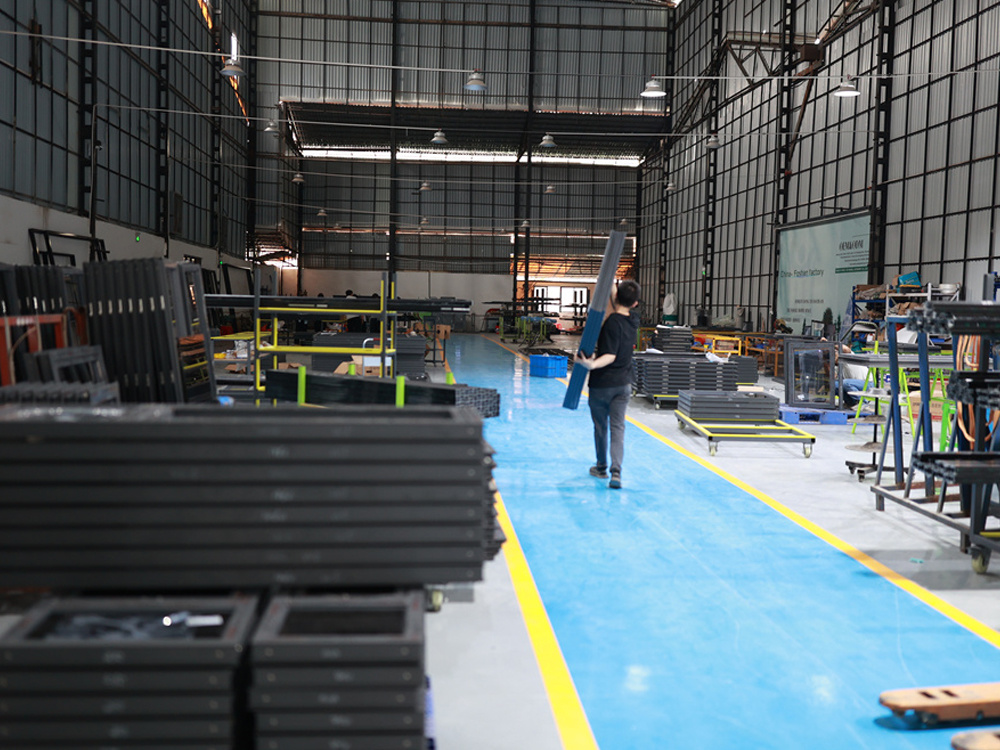
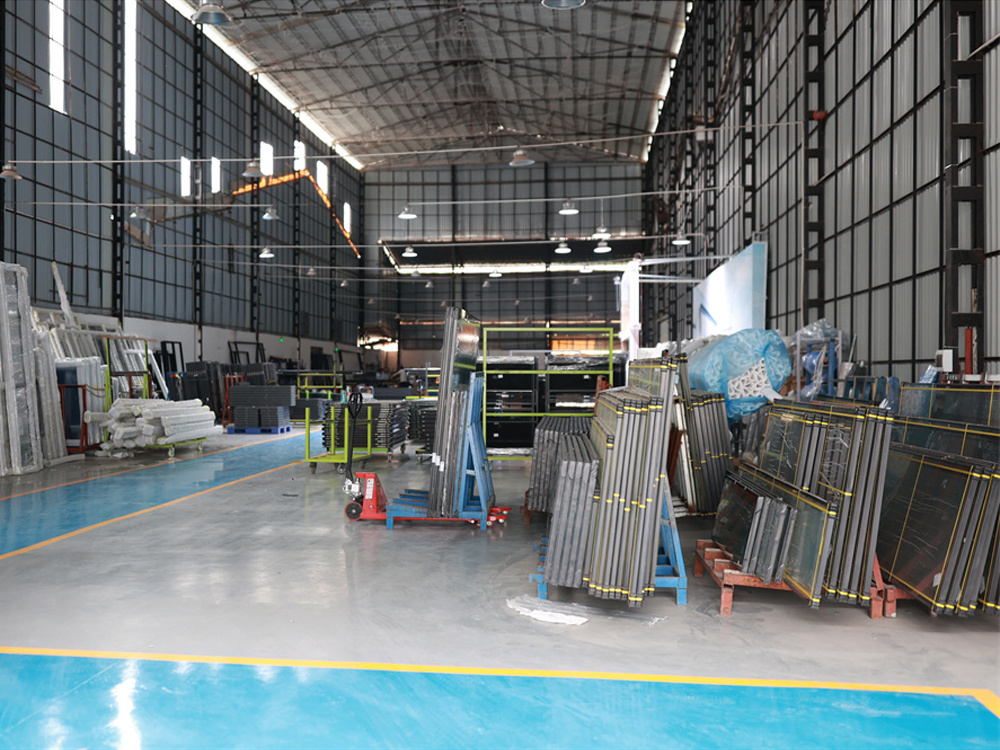
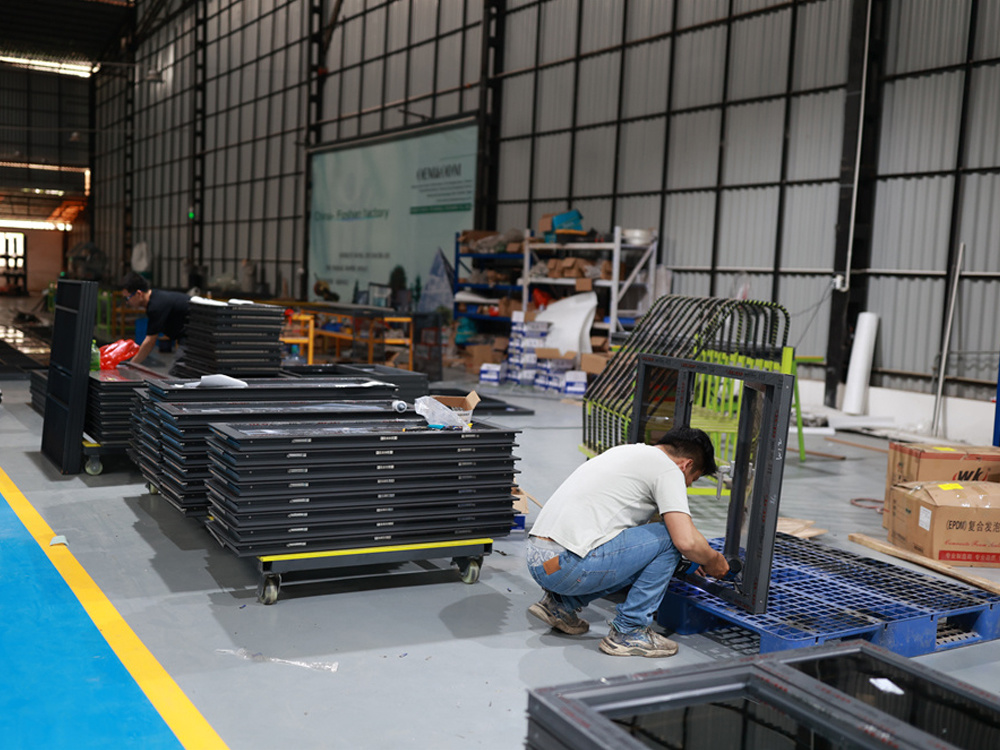
20,000㎡ Modern Production Base
Equipped with imported European CNC multi-axis profile machining centers, automated double-head precision miter saws, automated corner-crimping units, and insulating glass production lines. Our high-capacity infrastructure guarantees consistent dimensional tolerances within ±0.5mm across high-volume production orders.
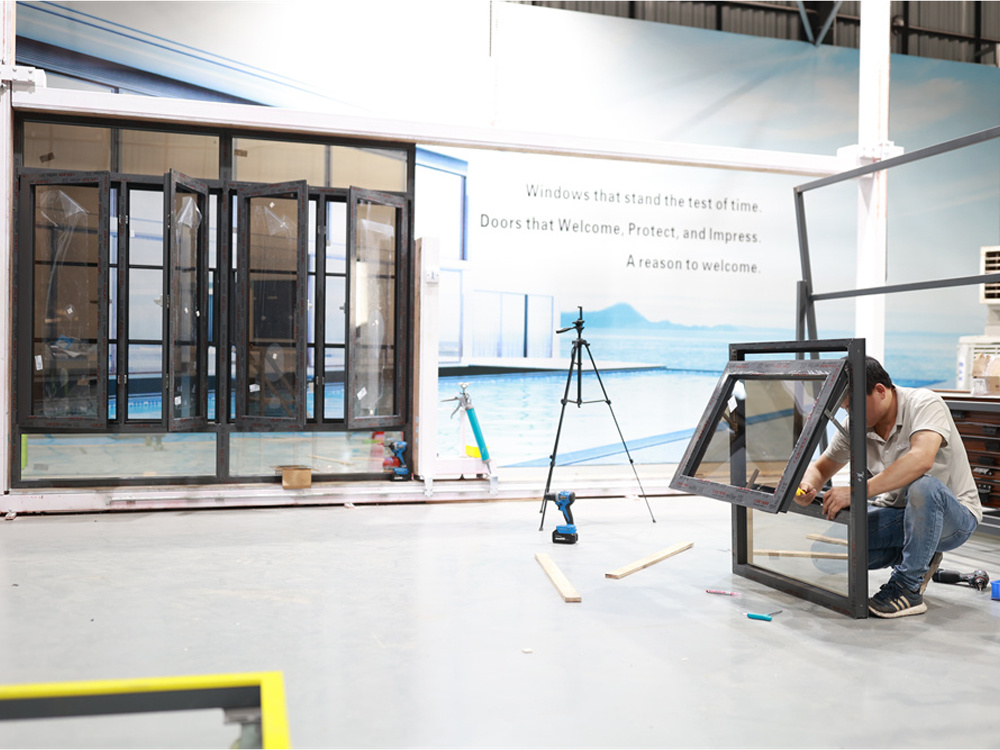
24-Hour Design & CAD Rendering Turnaround
Our in-house team of senior fenestration engineers works directly with architects, project managers, and importers. Submit your architectural floor plans or rough sketches, and receive fully detailed CAD shop drawings, elevation schedules, wind-load calculation reports, and realistic 3D renderings within 24 working hours.
Full-Process Export Logistics & Packaging
Exporting to 80+ countries requires specialized crate protection. Every custom door sash and frame assembly is wrapped in protective scratch-proof film, corner-shielded, and sealed in fumigated plywood crates with integrated desiccant bags. We handle full container loading (FCL), custom clearance documentation, and direct jobsite LCL delivery.
Production Facilities & Quality Control Verification

Frequently Asked Questions for B2B Importers & Buyers
Clear, direct technical answers covering customization, certification, wood seasoning, order lead times, and global shipping policies.
Do you accept custom OEM and ODM orders for aluminum clad patio doors?
Yes, absolutely. As a direct manufacturer, over 85% of our production volume consists of custom OEM/ODM orders. We develop profile extrusions, custom timber wood species finishes (Oak, Larch, Pine, Walnut), personalized extruded aluminum profile colors (RAL color matching, anodized, PVDF), hardware configurations, private label branding, and custom carton packaging based on your architectural drawings or distributor market demands.
What is the standard production lead time for custom door orders?
Our standard production lead time is approximately 4 weeks (25 to 30 calendar days) after formal CAD shop drawing sign-off and deposit confirmation. For ultra-large commercial developments or multi-villa housing projects, production schedules are staggered in planned container batches according to your jobsite installation schedule.
How do you prevent the interior timber from swelling, shrinking, or warping over time?
Wood stabilization is controlled through rigorous material preparation. We utilize multi-layer laminated finger-jointed timber, which inherently cancels out natural wood grain tension forces. Furthermore, timber is kiln-dried to an exact moisture content target of 8% to 12%, followed by 4 layers of hydrophobic German Remmers water-based breathable coatings. Finally, the floating nylon clip connection isolates the wood from direct contact with the exterior aluminum extrusion.
Can your aluminum clad patio door systems meet building code certifications in my country?
Yes. Our products are engineered and tested to comply with key international standards, including NFRC and AAMA/WDMA/CSA 101/I.S.2/A440 in North America, AS2047 / AS1288 in Australia, and CE / EN 14351-1 in Europe. Simply share your local structural wind load design requirements (DP ratings), water penetration limits, and energy U-factor mandates with our engineering team, and we will configure the exact glass build-up and aluminum profile system needed for certified compliance.
What brand of hardware mechanisms are installed on your patio doors?
We offer flexible hardware sourcing based on project specification and budget. For premium architectural series, we integrate top-tier German hardware brands including Siegenia, Hoppe, Roto, and GU (Gretsch-Unitas) for multi-point locking systems, heavy-duty lift-and-slide rollers, and concealed friction hinges. High-performance, factory-tested custom Chinese hardware options are also available for cost-sensitive commercial projects.
How can we ensure large glass panels will not break during ocean transit?
All glass panels utilize toughened Grade A safety glass certified to ANSI Z97.1 / EN 12150 standards. For export shipping, patio door assemblies are packed inside fully enclosed, heavy-duty fumigated plywood crates lined with shock-absorbing EPE foam sheets. Glass panels are separated by cork pads to prevent surface scratching and pressure points. We maintain a zero-breakage shipping record across ocean freight shipments to over 80 countries.
Can you provide design proposals and structural drawings before mass production?
Yes. Upon receiving your project window schedules, CAD floor plans, or elevation drawings, our structural engineering team will deliver preliminary design proposals, structural wind-load estimates, thermal performance summaries, and 3D visual renderings within 24 working hours—completely free of charge prior to order placement.
What is your standard warranty policy on factory shipments?
We provide a comprehensive B2B warranty coverage package: a 10-year warranty against insulated glass unit seal failure (fogging or desiccant breakdown), a 10-year structural warranty on extruded aluminum frame integrity and timber lamination, a 10-year warranty on AAMA 2605 PVDF surface finishes against excessive chalking or fading, and a 5-year warranty on mechanical moving hardware components.
How do you handle small-sample requests for material inspection?
We provide full sample kit boxes for real estate developers, architects, and importers. Sample boxes contain physical 200mm corner cutaway profile sections showing the aluminum-wood clip attachment, thermal break layer, glass spacer construction, timber finish options, and powder coating color swatches. Sample kits can be dispatched via express air courier (DHL/FedEx) within 3 to 5 business days.
What are the freight shipping options and incoterms available?
We support all standard international trade terms, including FOB (Free on Board Qingdao/Shanghai/Shenzhen), CFR (Cost and Freight), CIF (Cost, Insurance, Freight), and DDP / DDU (Delivered Duty Paid directly to your commercial office or residential jobsite address). Our export team manages all customs documentation, origin certificates (Form E, CO), and ISF filings for seamless port clearance.
Ready to Upgrade Your Fenestration Sourcing?
Partner with China's leading aluminum clad patio door manufacturer. Request complete technical specifications, CAD details, and instant factory-direct B2B pricing today.